How to Use a Lemon Vibrator When Estrogen Levels Drop Suddenly
Let's be real. When estrogen drops, your body doesn't just feel a little different. Everything shifts. Your skin feels thinner, your arousal takes longer to build, your lubrication changes texture and volume, and your clitoral tissue becomes less plump. It's not a slow fade either. Sometimes it happens fast enough that you notice it between one week and the next.
The good news? A lemon clitoral vibrator like the Lem is specifically designed to work with these changes, not against them. But you have to adjust how you use it. The techniques that worked when estrogen was stable won't work the same way now. This is the part no one tells you, and it's why so many people assume their pleasure is just... gone.
It isn't. You just need to recalibrate.
What estrogen actually does to your sexual response
Estrogen isn't just a hormone that helps you have a period. It maintains the thickness and elasticity of vaginal tissue, controls blood flow to your genitals, regulates natural lubrication, and influences how quickly your clitoris fills with blood when you're aroused. When estrogen drops, all of that changes at once.
Your clitoral tissue becomes less engorged. That means less sensation from direct pressure alone. Your vaginal tissue gets thinner and drier. Your arousal response flattens. What used to feel like a quick climb now feels like climbing in a fog.
Here's what people usually do: they panic and either give up or they crank the vibration intensity to compensate. Both backfire. High intensity on thinner, more sensitive tissue can cause micro-tears and irritation. Lower sensitivity means you need a different kind of stimulation, not just more of the same.

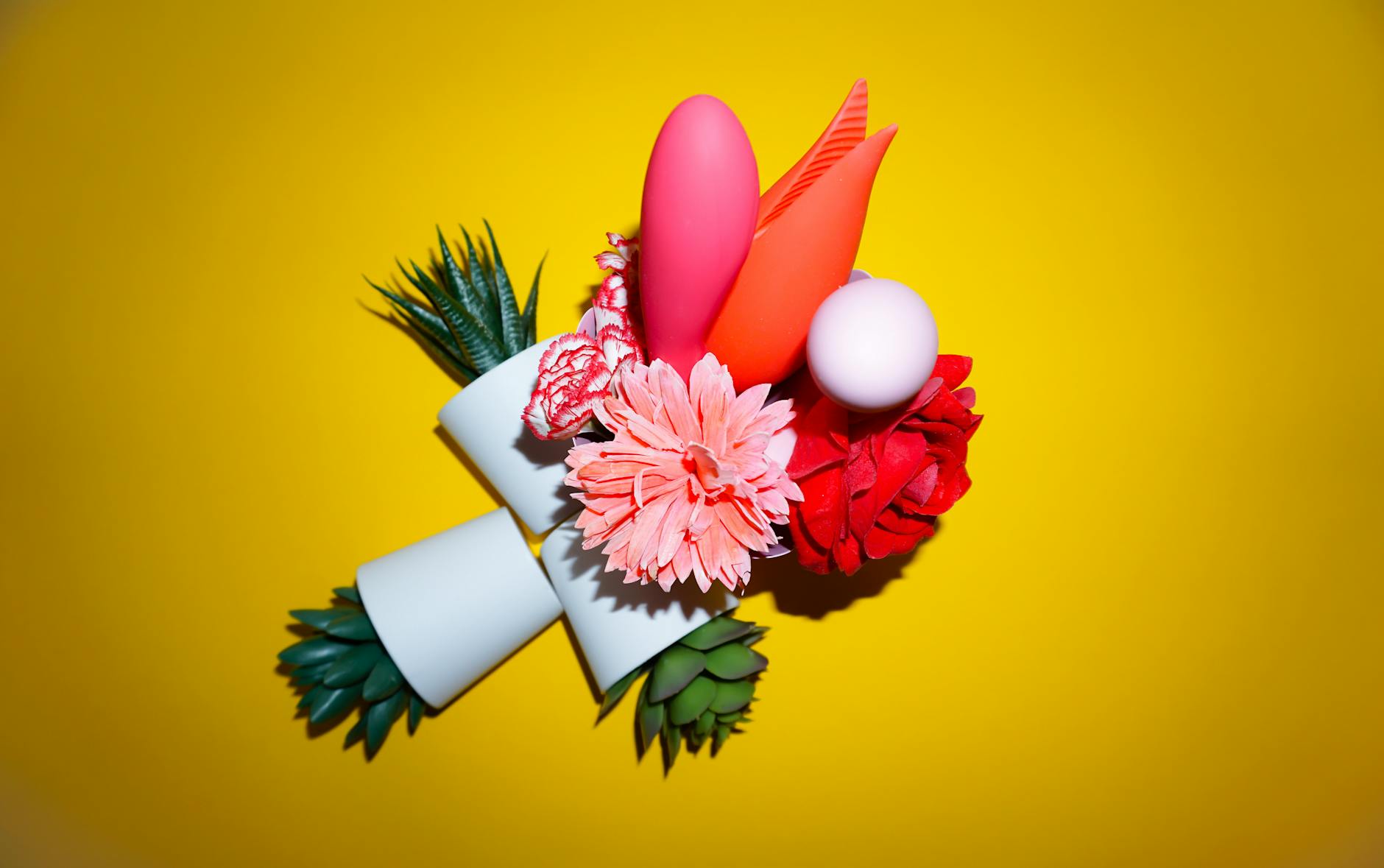
Photo by SHVETS production on Pexels
Why suction-based vibrators work better when estrogen is low
Traditional vibrators rely on oscillation to stimulate nerve endings. They work great when your tissue is thick and well-perfused with blood. But when estrogen is low, you need something gentler that doesn't require that baseline engorgement.
Suction-based clitoral vibrators like the Lem work differently. Instead of pushing vibrations into your tissue, they create a gentle pulse that mimics the sensation of oral sex. This approach does two things that matter when estrogen is low.
First, it doesn't demand a pre-existing level of engorgement. You don't need your clitoris to be super plump and sensitive for suction to create pleasure. The sensation builds gradually and naturally.
Second, suction distributes pressure across a wider area of nerve endings instead of concentrating force on one spot. This means you get more sensation with less intensity. When your tissue is already sensitive from lower estrogen, that's exactly what you need.
Many people who feel "numb" when estrogen drops discover that switching to a lemon sucker fundamentally changes the experience. You're not trying to force feeling back into your old pattern. You're working with your body's new sensitivity profile.
Preparation matters more than you think
When estrogen is stable, you can sometimes skip the warm-up. Not now. Your body needs time to respond to any kind of stimulation when estrogen is low.
I recommend starting 10 to 15 minutes before you touch the Lem. This isn't wasted time. This is your nervous system waking up. Your blood is redirecting to your genitals. Your clitoris is beginning to engorge (even if you can't feel it yet). Your lubrication is starting to happen.
What does this warm-up actually look like? Anything that feels good. Touch your neck, your breasts, your inner thighs. Read or watch something that arouses you. The key is that it feels good in the moment, not that it's "supposed" to build arousal according to some formula. When estrogen is low, your arousal pathway is more sensitive to context. Genuine desire matters more than technique.
If your body isn't producing enough natural lubrication (which is super common when estrogen drops), add water-based lubricant during this warm-up phase, not when you first turn on the Lem. Your tissues will thank you, and the warmth of the lube often helps boost sensation further.
Start low and adjust slowly
The Lem has several intensity levels. When estrogen is high, many people jump to level 4 or 5. When estrogen is low, start at level 1 or 2. I mean actually start there, not as a joke.
Level 1 feels almost nothing the first time you try it. That's the point. You're calibrating. You're letting your body register the sensation without shock or overstimulation. Spend a few minutes at level 1. Notice what you feel. Notice where you feel it. Notice how your body begins to respond.
Then move to level 2. Again, take your time. The goal is to find the level where you feel building pleasure without discomfort or numbness. For many people when estrogen is dropping, that's level 2 or 3. The intensity that would have felt frustratingly weak a few months ago now feels just right.
This isn't a sign of a problem. It's a sign of adjustment. Your nervous system is recalibrating sensitivity thresholds. You're not broken. You're just operating in a different bandwidth.
Timing and rhythm shift too
When estrogen is stable, most people can reach orgasm in 5 to 10 minutes. When estrogen drops, that timeline stretches. Some people find they need 15 to 25 minutes, or even longer. This frustrates people. They think they've "lost" the ability to climax quickly.
You haven't. Your body is just asking for a different kind of engagement. Lower estrogen often comes with lower dopamine in the pleasure circuits, which means arousal builds more gradually. That doesn't make it weaker. It makes it different.
My advice: stop watching the clock. Set aside time where you have no other agenda and no pressure to reach a specific endpoint. Use the Lem as you're discovering works best for you right now. Sometimes that means 10 minutes. Sometimes it means 30. Both are normal when estrogen is fluctuating.
Rhythm matters too. When you're at lower sensitivity, varying the rhythm on the Lem often works better than holding one steady level. Try pattern 1 for 2 minutes, then shift to pattern 2 for a minute. The variation keeps your nervous system engaged. Steady stimulation at the same level can feel monotonous when sensation is already muted.
Positioning and angle shift more than you'd expect
When tissue is thick and sensitive, positioning is flexible. When estrogen is low, angle matters much more. Slight shifts in how you position the Lem against your clitoris can mean the difference between feeling nothing and feeling pleasure.
Try angling the Lem slightly upward, toward your pubic bone, rather than straight on. This can feel more intense. Try angling it slightly down and to the side. Try it with slightly more pressure, then with lighter contact. You're experimenting until you find the angle that resonates with your current sensitivity.
Also pay attention to pressure from your pelvic floor muscles. When estrogen is low, pelvic floor tension often increases (lower estrogen means less elasticity in all tissues). That tension can actually dampen sensation. Before using the Lem, spend 30 seconds consciously relaxing your pelvic floor. Exhale fully. Let everything release. Then begin.
When to reach for lube and when to wait
You already know water-based lubricant helps when your body isn't producing enough on its own. But timing and type matter when estrogen is low.
Use lube during the warm-up period, not right when you turn on the Lem. Your body responds better to natural progression. Add more lube if you feel friction or dryness, but don't pre-load everything. Start small and add as needed.
Stick with water-based only. Silicone-based lubes coat your tissue more heavily, which can actually reduce sensation when you're already struggling with numbness. Water-based feels lighter and conducts the vibration better.
One more thing: some people find that certain lubes warm up their tissue nicely, while others feel cool. If you're struggling with sensation, try warming the lube between your fingers first, then apply it. The warmth often triggers a small increase in blood flow, which helps sensation.
Mental engagement is not optional
When estrogen is high, physical stimulation alone is often enough. When estrogen is low, your brain becomes a much bigger part of the pleasure equation. Distraction kills sensation. Focus amplifies it.
This means putting your phone away. Closing the browser tabs. Not half-listening to the TV. Not thinking about your to-do list. Your body needs your attention to respond well when estrogen is dropping.
What should you focus on? Whatever creates genuine arousal for you. Maybe it's a fantasy. Maybe it's remembering a specific sensation from the past. Maybe it's imagining yourself in a different setting. The content matters less than the fact that your mind is actually engaged with the experience.
When you feel sensation building, lean into it mentally. Don't analyze it. Don't worry whether it's "enough." Just follow the pleasure where it's going.
Recovery and sensitivity after orgasm
When estrogen is low, your refractory period often changes. Some people can still have multiple orgasms back-to-back. Others find they need more time between climaxes, or that a second orgasm feels less intense.
Neither pattern is a problem. It's just a new baseline. If you typically want to masturbate twice, and now you only climax once before your body taps out, that's normal. If you want more, you have two options. Take a longer break between sessions (15 to 30 minutes rather than immediately going again). Or shift your expectation and find pleasure in the single, often more intense climax that comes when you've built the arousal slowly.
Connect this to your larger cycle
If you're perimenopausal, estrogen isn't dropping permanently yet. It's dropping and spiking irregularly. This means your sensitivity and response might shift week to week. What worked last Tuesday might not work Thursday.
Instead of getting frustrated, use this as information. Track what works when. You'll start noticing patterns. Maybe you need more warm-up time during certain weeks. Maybe suction feels better some weeks and oscillating feels better others.
Over time, you develop a flexible practice that works with your cycle instead of expecting your body to stay constant.
For people in full menopause, estrogen stays low. Your new normal becomes stable. Once you've adapted your lemon vibrator practice to low-estrogen sensation, it stays consistent.
FAQ: Your questions about lemon vibrators and low estrogen
Is it normal to need a completely different vibration approach when estrogen drops?
Completely normal. Estrogen directly controls tissue thickness, blood flow, lubrication, and nerve sensitivity. When it drops, your nervous system's responsiveness changes. A lemon clitoral vibrator's gentle suction approach often works better than traditional vibration when sensation is already muted. You're not broken. You're just operating in a different physiological state.
How long does it take to adjust to using a lemon sucker when estrogen is low?
Most people find their rhythm within 3 to 5 sessions of experimenting. By the second or third time using the Lem at low estrogen, you'll have a sense of what intensity and rhythm work for your body right now. Give yourself grace during that learning curve. Your body isn't the problem. The adjustment period is completely normal.
Can I use a lemon vibrator if I'm not producing enough natural lubrication?
Yes, absolutely. Low estrogen often comes with reduced lubrication. Water-based lubricant is your ally here. Apply it before you start, and reapply if you feel friction. The combination of gentle suction from the Lem and adequate lubrication usually solves the discomfort issue entirely. If you still feel pain or significant friction, see a healthcare provider, because that can sometimes signal something worth addressing beyond just lubrication.
Should I worry if my orgasms feel different or weaker when estrogen drops?
Not at all. Orgasms can feel less intense when estrogen is low because there's less clitoral engorgement happening. They can also feel different but not weaker. Some people experience longer orgasms that build more slowly. Some experience sharper, more localized sensation. Some notice the afterglow feels different. All of these are normal variations. Focus on whether you're experiencing pleasure, not whether it matches your old pattern.
Is it okay to use the Lem more frequently if I'm struggling to climax when estrogen is low?
Yes, with one caveat. More frequent use can help you understand what works for your body right now. But if you're chasing climax and getting frustrated, that stress can actually dampen your response further. Use the Lem because it feels good, not as a tool to force an outcome. Often when you take the pressure off, pleasure flows more easily.
Should I mention to my healthcare provider that my pleasure response changed when estrogen dropped?
Yes. Not because something is wrong, but because it's relevant medical information. Your provider can rule out other factors that might be affecting sensation, and can discuss whether hormone therapy or other options are worth exploring if the change is really bothering you. This conversation also normalizes the fact that hormonal shifts affect sexual response. It's not something to hide or feel embarrassed about mentioning.
The bottom line
When estrogen drops, pleasure doesn't disappear. It transforms. Your body needs different tools, different timing, and different engagement. A lemon vibrator is designed to work with lower sensitivity levels. Combined with longer warm-up, gentler intensity, and genuine mental engagement, it often becomes your best tool for pleasure during hormonal transition.
The shift from what worked before to what works now can feel disorienting. But it's also an opportunity. Many people discover that slowing down, paying closer attention, and working with their body instead of against it creates a deeper, more nuanced experience of pleasure than they had before.
If you're navigating this transition and feeling lost, you're not alone. Reach out to explore more strategies for maintaining and rekindling pleasure during hormonal change. Contact Hello Nency to chat with someone who gets it.
Related reading
If low estrogen is affecting your relationship or partnership, how to use a lemon vibrator with a partner who has different pleasure preferences covers communication strategies that help both of you adapt. You might also explore how to use a lemon vibrator for better pleasure when hormones shift after 40 for a broader look at mid-life hormonal transitions.