Let's start with the real problem
Mismatched desire isn't about one person being broken. It's about two nervous systems that speak different pleasure languages. One of you hits 60 miles per hour in five minutes. The other needs twenty. One wants the Lem on pattern four immediately. The other needs patterns one and two for ten minutes first. One craves texture and novelty. The other wants predictability and rhythm.
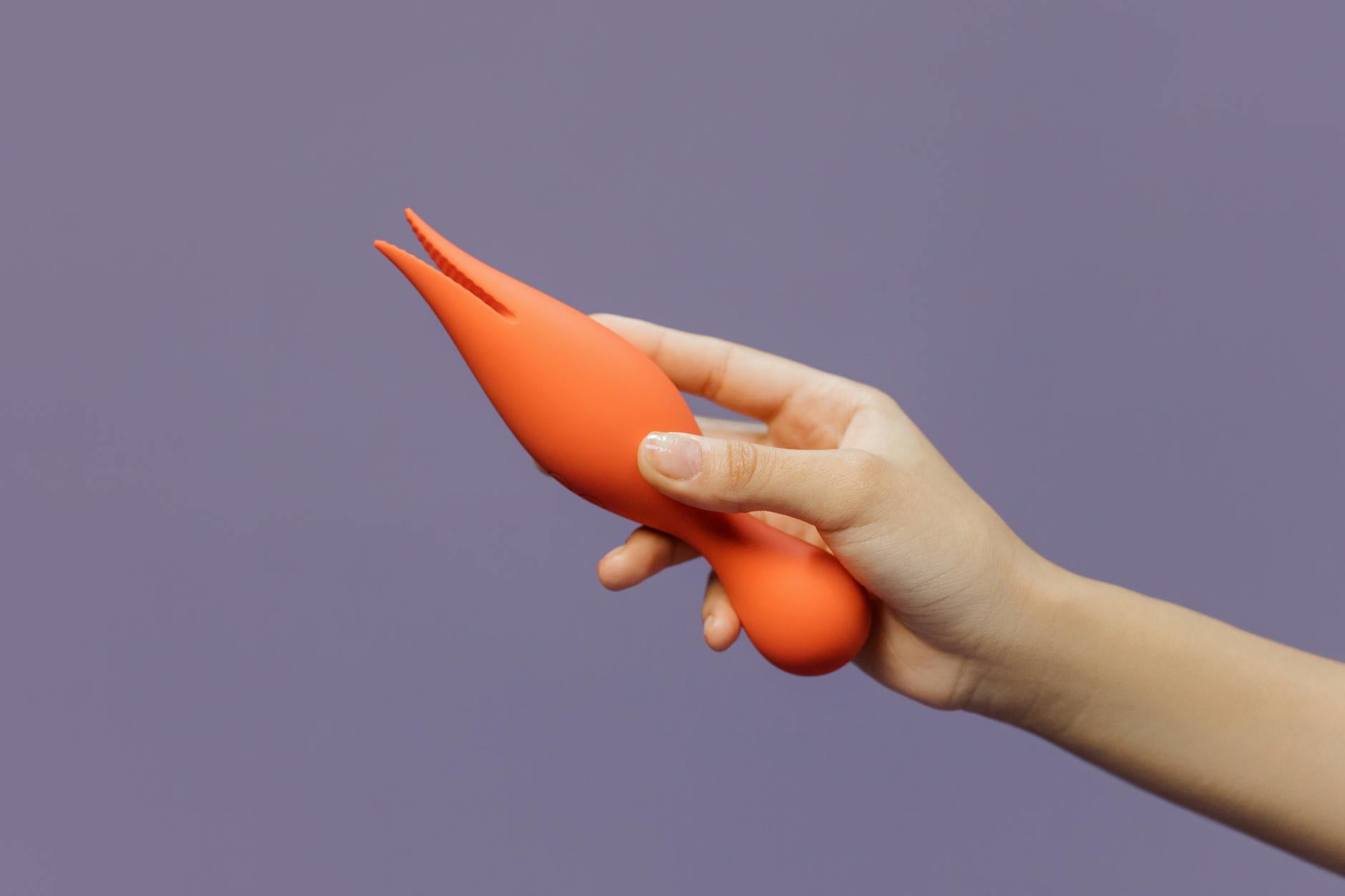
This is normal. It's also fixable. And a lemon clitoral vibrator, specifically, is one of the best tools couples have for bridging that gap because it gives you both control, visibility, and the ability to explore intensity on completely different timelines without either person feeling rushed or bored.
Why lemon vibrators actually solve this
Wand vibrators and traditional toys work on an all-or-nothing principle. One setting, one person controlling it, one experience. Lemon suction toys like the Lem are different. They offer multiple intensity patterns, a learning curve that rewards exploration, and a sensation that feels responsive rather than intrusive. That matters when you're trying to sync two different bodies.
Here's what actually happens: when you and a partner have mismatched preferences, one of you usually adapts by either pushing faster (if you're the high-desire person) or tolerating something that doesn't quite land (if you're the slower-to-warm-up person). Both paths lead to resentment. Neither person is getting what they actually need.
A lemon clitoral vibrator solves this because it creates what I call "parallel pleasure." You're not waiting for each other. You're both active, both getting sensation, both learning what the other actually responds to. That's not a small thing.
The first conversation to have before you even touch the toy
Before you bring a lemon vibrator into bed, sit down fully clothed and talk about what you actually want. Not what you think you should want. Not what you think your partner wants to hear.
I ask couples to answer three questions separately, then share:
- When does arousal start for you? (Seconds? Minutes? What does it feel like in your body?)
- What texture, rhythm, or sensation makes you feel most intensely pleasured?
- What feels too much, too fast, or wrong?
Your partner might say they need fifteen minutes of touch before any vibration feels good. You might say you need the intense sensation right away or you lose the thread. Those aren't incompatibilities. They're data. And data is how you build a plan that actually works.
Most couples skip this conversation because it feels clinical or because they're worried about hurting feelings. The irony is that avoiding it creates way more hurt than honesty does.
How to introduce the Lem when you want different things
Let's say you're high-desire and your partner is slower-to-warm-up. Here's the order that works:
Step one: solo exploration first. Your partner should use the lemon vibrator alone. Not in front of you, unless they want to. Just so they understand what it feels like, what patterns work for their body, and what intensity level actually feels good versus what they think should feel good. This takes the pressure of being watched away and gives them agency.
Step two: show, don't introduce. Once they've explored solo, let them show you what they discovered. "Pattern two felt weird, pattern three was too much, but pattern one with the suction on medium felt really good." Now you know the map.
Step three: parallel use. You both use the toy, or one of you uses it while the other uses their hand or mouth. The key is that you're both getting sensation simultaneously, but on your own timeline. You're not watching them, waiting for them to catch up. You're both doing your own thing in the same bed.
This matters because it removes the pressure of performance and the awkward energy of "waiting." You're both present, both engaged, both feeling good.
Step four: hand-over. Once you're both comfortable, the partner with faster arousal can use the lemon vibrator on the slower partner, starting at the intensity level they said felt good and respecting their pacing request.
This four-step approach works because it separates discovery from performance, which is where most couples get stuck.
What to do if one of you is sensitive and one isn't
One of the most common mismatches I see is sensitivity. One partner finds direct vibration on the clitoris overwhelming. The other wants intense, sustained sensation to orgasm.
Lemon suction toys solve this in a way traditional vibrators can't. Suction stimulation feels fundamentally different than vibration. It's less direct, more diffuse, and less likely to feel sharp or overwhelming. So the sensitive partner can often use the Lem on patterns that would feel impossible on a traditional vibrator.
But here's the real hack: the person who needs more intense sensation can use it at higher patterns while their partner is comfortable with pattern two or three. You're using the same toy, but it's delivering different sensations based on preference. That's the paradox that makes this work.
If one partner still finds even the Lem too intense, that's okay. They might use it externally only, or against the labia without direct clitoral contact. Or they might not use it at all and instead focus on other sensations (touch, rhythm, penetration) while their partner uses the toy. The point is that the toy shouldn't create pressure. It should expand options.
The conversation about who controls it and when
This is where couples often get tangled up. "If I'm using the toy, am I not stimulating you directly?" "Does this mean you don't want my touch?" These are anxieties, not facts. But they block everything.
Here's the frame that helps: a lemon vibrator isn't a replacement for your partner. It's a tool that lets you both get the exact sensation you need without one person having to perform in a way that doesn't work for their body.
Make an agreement about control. Some couples prefer one person uses it on the other. Others prefer both people have access to their own toy (or taking turns). Some prefer the person being stimulated holds it. There's no right way. There's only your way.
The agreement should also include permission to pause, adjust, or stop. "If I say pattern two is too much, you turn it down without asking why." "If I need to stop for a minute, that doesn't mean I'm not into this." These small explicit agreements remove so much friction.
Why rhythm differences matter more than you think
Here's something I notice in sessions: couples with different arousal speeds often blame the mismatch on desire itself. "They don't want me as much." Actually, they just warm up slower. Or faster. Neither is about attraction.
A lemon vibrator lets you both move at your own rhythm without one person feeling invisible or rushing. The high-desire partner can stay engaged while the slower partner builds arousal. Neither person is pretending. Neither person is waiting.
For some couples, this means using the Lem solo first, then together once both partners are warmed up. For others, it means one partner uses it the whole time while the other uses touch or penetration. For others still, it means swapping control every few minutes so you both get to experience both the giving and receiving.
The rhythm difference becomes a feature, not a bug, once you design the experience around it instead of trying to force synchronicity that doesn't exist.
Common mistakes couples make with clitoral vibrators
Mistake one: assuming one setting works for everyone. It doesn't. The person being stimulated should always direct the intensity and pattern, not the person using the toy. "Is this good?" beats guessing every time.
Mistake two: treating it as a quick fix for mismatched desire. The toy is a tool, not a solution. The solution is the conversation, the data, the willingness to design an experience that works for both of you.
Mistake three: using it as a substitute for talking about what's really bothering you. Sometimes low desire isn't about physiology. It's about resentment, disconnection, or unresolved conflict. A toy can't fix that. A therapist can. If you're using the Lem to avoid a deeper conversation, you'll notice the toy stops helping pretty quickly.
Mistake four: assuming because one partner loves it, the other will too. Different nervous systems, different bodies, different histories. Give it time. If it still doesn't work for one of you, that's fine. There are other tools.
When to bring in outside help
If you've had the conversations, you've explored solo and together, you're respecting each other's pace and preferences, and you're still feeling stuck, that's the moment to talk to a therapist who specializes in couples sex therapy.
Sometimes the mismatch isn't about the toy at all. It's about deeper issues in the relationship, or medical factors, or trauma that needs professional support. A good sex therapist can help you figure out what's actually going on and whether it's something the two of you can solve together.
The key is not waiting until you're frustrated. The best time to get support is when you're still curious and connected, not when resentment has set in.
The bottom line
Lemon clitoral vibrators work for couples with different pleasure preferences because they don't demand synchronicity. They allow parallel pleasure. You can both be getting exactly what your nervous system needs without one person compromising or performing. That's not a small thing. That's the whole thing.