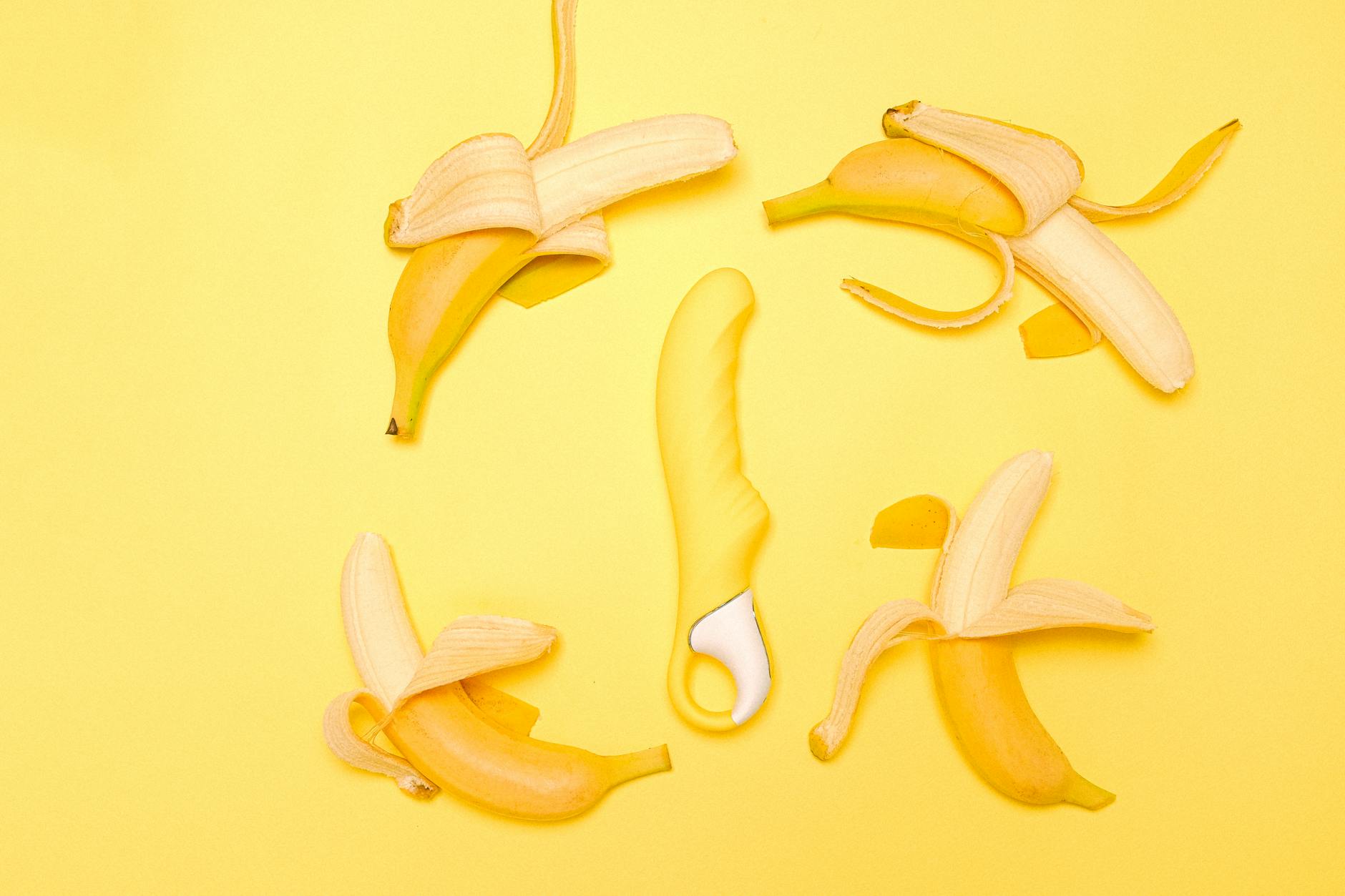
Here's what nobody tells you about your cycle and pleasure
Your pleasure is not a fixed setting. It's a landscape that shifts with your hormones—sometimes dramatically, sometimes barely noticeably. Most people know that their energy and mood cycle through their menstrual cycle, but pleasure? That's the part that catches people off guard.
Your clitoral sensitivity, arousal speed, orgasm intensity, lubrication, and what kind of stimulation actually feels good all change throughout your cycle. This isn't a flaw. It's information. And once you understand the pattern, a lemon vibrator becomes a much smarter tool.
How estrogen and progesterone reshape sensation
Think of estrogen as the amplifier. It thickens vaginal tissue, increases blood flow to the clitoris, boosts natural lubrication, and makes nerve endings more responsive. When estrogen peaks (right before ovulation), you're operating at maximum sensitivity. Your clitoris is engorged, your body warms up faster, and lighter stimulation might actually feel too intense.
Progesterone, which rises after ovulation, does the opposite. It's the dampener. Tissue thins slightly, lubrication decreases, blood flow to the genitals goes down, and your nervous system needs more stimulus to trigger the same response. You might notice you need firmer pressure, longer warm-up time, and a pattern that felt perfect last week now feels weak.
Most people assume this means something's wrong with them. It's not. It's your body telling you what it needs right now.
The follicular phase: when sensitivity peaks
Days 1-14 of your cycle (roughly), estrogen climbs. Your clitoris feels more sensitive, arousal builds faster, and you might orgasm more easily. This is when many people report their most intense, responsive pleasure.
With a lemon vibrator during this phase: start at pattern 1 or 2, not where you ended last week. Your body might find higher intensities uncomfortable because sensation is already amplified. Spend less time on warm-up. Your tissues are more responsive, so you might reach peak arousal in 8-12 minutes instead of 20. If you notice yourself getting overstimulated (that uncomfortable buzzing feeling where it stops feeling good), dial back the intensity. You have more sensitivity to work with, so you don't need to punch as hard.
Some people report that their preferred clitoral suction sensation during this phase is lighter, broader pressure rather than the tight seal they love the rest of the month.
The ovulation window: the sweet spot
Right around day 14 (though this varies wildly), estrogen peaks. Your body temperature rises, your libido often spikes, and for 24-48 hours, you're operating at maximum pleasure capacity. Many people report that this is when orgasms feel strongest and easiest.
This is when you can experiment. If you've been curious about a higher pattern or a new rhythm on your lemon clitoral vibrator, this window is forgiving. Your body is primed to respond. Take advantage of it. You might discover a sensation you thought you didn't like actually works beautifully during ovulation, which gives you information for the rest of your cycle.
The flip side: if you notice that pleasure feels overwhelming or overstimulating even at low intensities, that's also the hormonal amplification talking. You might benefit from longer rest breaks between patterns, or from focusing on penetrative sensation paired with external vibration instead of pure clitoral focus.
The luteal phase: when pleasure changes shape
Days 15-28, progesterone dominates. Estrogen drops. Your clitoris is less engorged, sensation dulls, your body takes longer to warm up, and natural lubrication decreases. This is when people often feel like their pleasure has "disappeared," but it hasn't. It's just asking for different input.
You might need the lemon vibrator at pattern 4 or 5 now—patterns that felt harsh during your follicular phase. You might need 20-30 minutes of warm-up instead of 10. You might notice that direct clitoral stimulation feels sharp or uncomfortable, but broader pressure against the whole vulva feels better. You might also find that adding lubrication (even though your body makes some) transforms the sensation from irritating to pleasurable.
The luteal phase is also when many people need more psychological safety to access pleasure. Stress, worry, and low mood often peak here. A lemon clitoral vibrator can't fix that context, but understanding it helps. If you're feeling disconnected from pleasure in week 3-4 of your cycle, you're not broken. You're in a phase when pleasure requires more groundwork: privacy, time, relaxation, maybe conversation with your partner about what you need.
Menstruation: what changes during your period
Many people avoid pleasure during menstruation, often because of cramps, bleeding, or discomfort. Some find that clitoral stimulation and orgasm actually help with cramp pain (your pelvic floor relaxes during orgasm). Some find it makes cramping worse. There's no universal rule.
If you do use your lemon vibrator during your period: lower intensities often feel better because your tissues are already hyperaware. Lighter patterns and shorter sessions work better than deep, sustained stimulation. Some people find that the suction sensation feels particularly soothing during their period. Others find it uncomfortable.
The main thing: don't assume you "should" or "shouldn't." Pay attention to what your body is actually asking for, not what you think pleasure is supposed to look like this week.
Lubrication changes across your cycle
Natural lubrication is highest during the follicular phase and especially around ovulation. It's thinnest during the luteal phase and menstruation. This isn't random. It's a biological signal about what your body is primed for.
Water-based lubricant becomes increasingly important in your luteal phase. This doesn't mean you're "dry" or broken. It means your body's natural production is lower, and your tissues benefit from support. Adding lube during this phase often transforms a session that felt uncomfortable into one that feels great.
One pro tip: temperature matters too. Cool lube can feel shocking on sensitive tissue during your follicular phase. During your luteal phase, cool lube can feel soothing. Warm lube feels better across all phases if you're sensitive. Let it sit in your hand for a few seconds before application.
Tracking patterns to understand your own rhythm
Here's the thing: your cycle is specific to you. Yes, there are general patterns, but the intensity of shift varies wildly from person to person. Some people barely notice a difference. Others feel like completely different people across their cycle.
The fastest way to understand your own pattern is to track it: keep a note (a private note in your phone is fine) of what you actually felt during pleasure across one or two cycles. Rate sensitivity on a scale of 1-10. Note which patterns on your lemon vibrator felt best. Note lubrication, warm-up time, whether you had an orgasm, how it felt. After two cycles, patterns emerge.
This takes maybe 30 seconds per week. After a month, you'll know whether you prefer pattern 2 during your follicular phase and pattern 5 during your luteal phase. You'll know whether you need more lube in week 3. You'll know whether ovulation is actually a peak sensitivity time for you or whether you're an exception. That information changes everything. Your lemon clitoral vibrator becomes less of a tool you're using wrong and more of a tool perfectly matched to where you actually are.
When cycle changes signal something worth checking
Dramatic shifts in pleasure are normal. But certain changes warrant a conversation with a healthcare provider. If pain appears during pleasure where it wasn't before, that's worth mentioning. If lubrication disappeared suddenly (not gradually across months, but actually stopped), that's information. If orgasms became completely impossible, that's worth exploring.
These things can shift due to stress, medication, hormonal birth control changes, or sometimes underlying health stuff. None of it means you're broken, but it's worth having the conversation. How to Use a Lemon Vibrator When Pain During Sex Returns covers this in more detail if you're experiencing discomfort.
Cycle-related pleasure changes are normal biology. Sudden, dramatic departures from your baseline are worth investigating.
Building flexibility into pleasure
The goal isn't to be "optimized" for pleasure. It's to be flexible. To notice what your body actually needs and adjust your approach rather than forcing one technique that worked last week to work this week too.
This is also where communication with a partner matters. If you have someone in the picture, letting them know "my pleasure feels different across my cycle and that's normal" prevents a lot of confusion. It also opens the door to them noticing patterns with you, which can feel connective. Some partners actually find it hot to understand the landscape of another person's pleasure so clearly.
Solo pleasure benefits from the same flexibility. You're not failing at pleasure if your lemon vibrator feels different today than it did five days ago. Your body is doing exactly what it's supposed to do. Your job is just to listen.
FAQs: Cycle and pleasure
Does hormonal birth control change how my lemon vibrator feels?
Often, yes. Hormonal birth control suppresses the natural cycle, so many people report that their pleasure feels flatter or more consistent. Some people like this consistency. Others miss the intensity peaks of their natural cycle. If you're on hormonal birth control and pleasure feels muted overall, that might be worth discussing with your doctor. How to Use a Lemon Vibrator When Sensation Feels Numb or Muted explores this angle more.
Can I use my lemon clitoral vibrator while bleeding?
Yes. Some people find it helpful during their period, others don't. If you do, use lower intensities and watch for discomfort. If it makes cramping worse, stop. If it feels soothing, continue. Your body will tell you.
My pleasure patterns seem to shift randomly, not with my cycle. Should I be concerned?
Not necessarily. Some people don't notice a clear correlation between their cycle and pleasure. Some have shifts driven by stress, sleep, relationship dynamics, or medication instead of hormones. Track it for a couple of months and see if a pattern emerges. If everything feels random and you're frustrated, it's worth mentioning to a healthcare provider—sometimes thyroid issues, medication side effects, or other factors are at play.
Is it normal for my clitoris to feel more sensitive during menstruation?
Completely normal. Blood flow is increased, and tissues are more reactive. For some people this feels great. For others it feels too intense. Adjust your pattern intensity down if that's your experience.
Can I rely on my lemon vibrator across my whole cycle, or do I need to change tools?
One well-designed tool—like a lemon clitoral vibrator—should work across your cycle if you adjust the intensity, pattern, and lubrication. You don't need multiple toys. You just need to be willing to shift your approach week to week based on what your body is actually asking for.
What if my partner and I have different cycles and different pleasure patterns?
This is common and manageable. The key is separating "what my body needs right now" from "what feels good about being together." You might use your lemon vibrator solo during your follicular phase because you want intense sensation, and with your partner during your luteal phase because you want more contact and support. That's not a problem. That's adaptation.
The bottom line
Your pleasure isn't broken because it changes. It's responsive. Your hormones aren't sabotaging you. They're reshaping the landscape month to month, sometimes week to week. Once you stop fighting that and start working with it, your lemon vibrator becomes much more satisfying.
Track your patterns. Notice what shifts. Adjust your intensity, your warm-up time, your lubrication, and your expectations across your cycle. Give yourself permission to need something different on day 10 than you needed on day 25.
That's not inconsistency. That's knowing yourself.
If you're working through pleasure changes with a partner, having these conversations can deepen intimacy. If you're exploring solo, this knowledge makes your time with your lemon clitoral vibrator more intentional and satisfying.
Your cycle is information. Your pleasure is data. And your body deserves the attention to notice both.