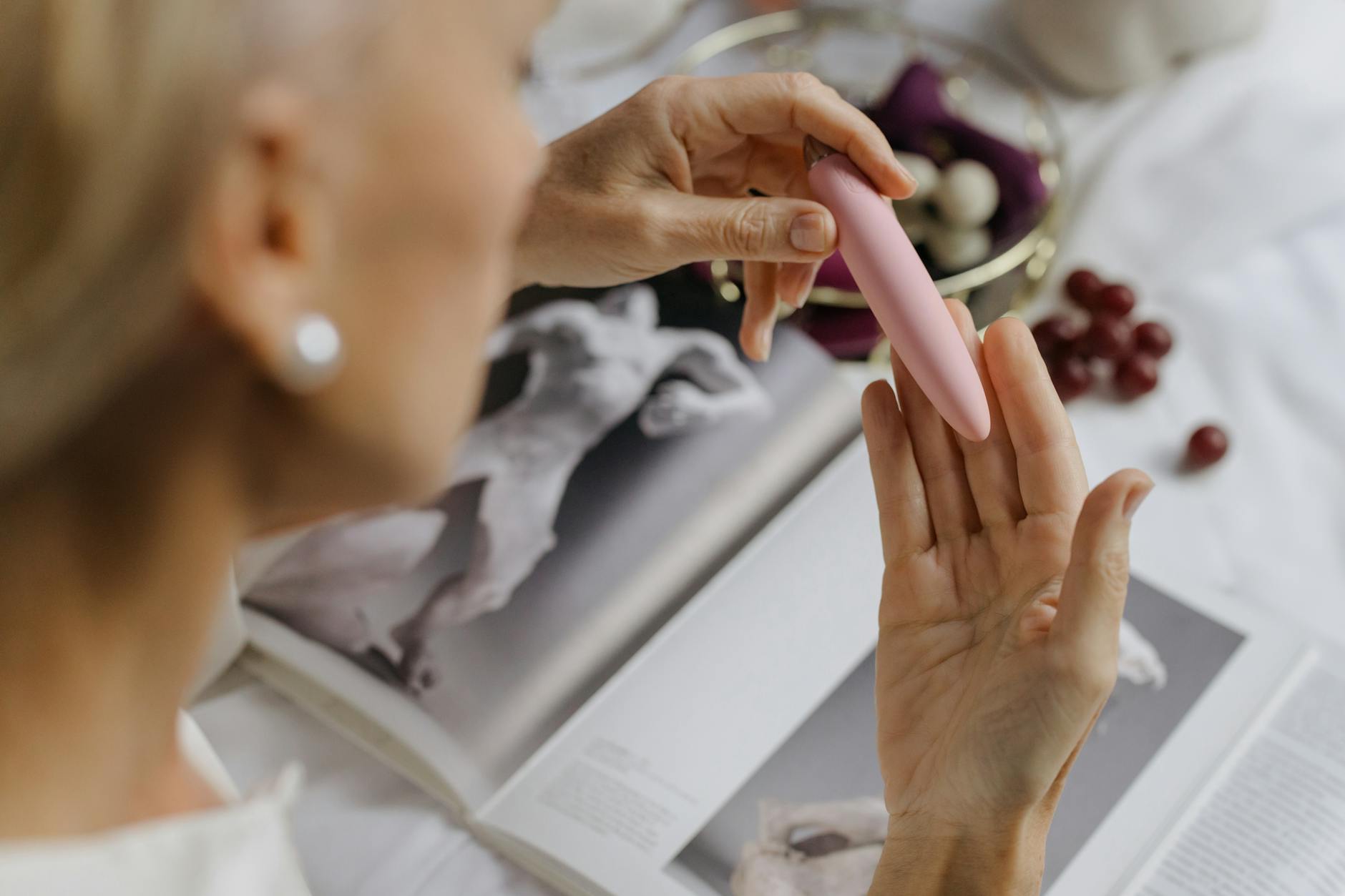
When pain shows up, everything changes
Pain during sex isn't something you just "push through." When it comes back, whether for the first time or after months of relief, it derails more than just the physical act. It erodes confidence, creates anxiety around intimacy, and makes you question whether your body has betrayed you. Here's the thing: it hasn't. Pain is usually a signal, and signals can be worked with.
This guide is for anyone whose pleasure has been complicated by dyspareunia, endometriosis flares, pelvic floor tension, scar tissue, or any condition that turns sex into something that hurts. It's also about rebuilding trust with your own body using tools specifically designed to support clitoral pleasure without requiring penetration or the kind of friction that triggers pain.
Why penetration isn't the only path to pleasure
Most of what you've been taught about sex centers penetration as the main event. But here's what the research shows: most people with vulvas can't orgasm from penetration alone. Clitoral stimulation is where the real action is. When pain makes penetration feel unsafe, switching your focus to clitoral pleasure isn't a compromise. It's often the better option anyway.
Lemon clitoral vibrators, especially air-suction devices like the Lem, work because they stimulate the clitoris in a way that doesn't require deep pressure or friction against tissue. If you've got scar tissue from surgery, endometriosis, or pelvic floor dysfunction, this distinction matters. The vibrator works where it's safe to work.
Understanding your pain before you rebuild pleasure
Not all sexual pain is the same, and how you approach using a lemon vibrator depends partly on what's actually hurting. A few scenarios:
Penetrative pain (deep or shallow). This could be scar tissue, pelvic floor tension, endometriosis, or adenomyosis. Clitoral vibrators bypass the painful area entirely.
Vulvar pain (surface). Vulvodynia, provoked vestibulodynia, or dermatological irritation means even light touch can feel raw. Start with external air-suction vibration at the lowest setting, away from the most sensitive zones.
Entry pain. If the opening feels tight or sharp, that's usually pelvic floor tension or vaginismus. Vibration at a lower intensity can actually help retrain the pelvic floor to relax over time, but go slow.
Pain after treatment. Surgery, pelvic floor physical therapy, or other medical interventions can leave residual tenderness. This usually resolves, but vibration can help maintain sensation and pleasure during recovery.
If you haven't identified what's causing the pain, talk to a pelvic health specialist before trying anything new. Pain is data. Get the data first.
How to start using a lemon vibrator when pain is present
Three rules for this transition:
Start external only. The Lem is designed primarily for external clitoral stimulation, which is perfect here. There's no pressure to use it internally. Keep your exploration outside your body until (and unless) you feel safe going further.
Use the lowest intensity first. Don't assume you need the high settings. Begin at pattern 1 or 2. If your nervous system has been in pain mode, it's been bracing. Low-intensity stimulation helps your body remember that touch can feel good again. You can always turn it up later.
Build warm-up time. Pain often comes with anticipatory anxiety. Your pelvic floor tightens in preparation, which then creates more discomfort. Spend 15-20 minutes on non-genital touch first: massage, kissing, whatever helps you feel safe and present. Then move the vibrator to the outer labia and spend another 5-10 minutes before approaching the clitoris directly.
The pelvic floor tension piece
Here's something most vibrator guides don't mention: if your pelvic floor muscles are chronically tight (which happens with pain), a vibrator alone won't fix it. But it can help.
Clitoral vibration, especially gentle suction, can actually help signal to your pelvic floor that it's safe to relax. This is one reason people with vaginismus or pelvic floor dysfunction often find air-suction clitoral vibrators like the Lem more helpful than traditional vibrators. The sensation is less invasive, and the stimulation is directional (to the clitoris), not pushing into the body.
If you're also working with a pelvic floor physical therapist, tell them you're using a vibrator. They can give you specific guidance on timing and positioning that works with your treatment.
When to use the vibrator, when to pause
There's a temptation to push through discomfort, to "retrain" your body into pleasure through sheer repetition. This backfires. If using the vibrator hurts, stop. Pain isn't a signal you're making progress. It's a signal to adjust.
Good timing to try:
- When you're well-rested and not stressed
- After a warm bath or heating pad session (warmth reduces pelvic floor tension)
- After light pelvic floor stretching or self-massage
- When you've had time to transition mentally into pleasure mode
Skip vibration if you're:
- Having a flare-up of your underlying condition
- Anxious or rushed
- On high alert or feeling unsafe in your relationship
- Exhausted or in pain elsewhere in your body
Your nervous system needs to feel genuinely safe. Vibration can't override that.
Using clitoral vibrators with a partner when pain is in the picture
If you have a partner, this is worth discussing separately from the pain itself. Using a lemon vibrator doesn't mean penetration has to be on the menu. You can explore vibration together, or solo. You can use it as foreplay without it leading anywhere specific. The goal is pleasure, not performance.
Some people find that when they have control over the vibrator and the intensity, partnered sex feels safer. Others prefer solo exploration at first, then bring it into partnered time later. There's no timeline. What matters is that your partner understands this is about reclaiming your body, not fixing anything they did wrong.
Photo by Diana ✨ on Pexels
How lemon clitoral vibrators help rebuild pleasure specifically
The Lem and similar lemon sexual toys work through air-suction technology. This matters when pain is involved because suction stimulates without friction. If your tissue is already sensitized, friction can feel like aggravation instead of pleasure. Suction feels completely different. It's more of a rhythmic squeezing sensation, and most people find it easier to control and less triggering.
Lemon vibrators also tend to have wider contact surfaces, which distributes intensity more evenly. Compare this to smaller, pointed vibrators that concentrate all the stimulation in one tiny area. When you're rebuilding sensation after pain, gentle distribution is your friend.
The fact that lemon adult toys are specifically designed for external clitoral work means you're not forcing a tool meant for penetration to do something else. It's purpose-built for where you actually need stimulation right now.
Rebuilding your relationship with pleasure after pain
Here's what nobody tells you: pain during sex doesn't just hurt your body. It hurts your sense of yourself as a sexual being. You start to think of yourself as broken or high-maintenance. Your brain begins to associate sex with dread instead of anticipation. Rebuilding this takes patience.
Using a lemon vibrator isn't just about physical sensation. It's about sending your nervous system a consistent message: touch here is safe, pleasure here is possible. This message has to repeat over time, consistently, before your body really believes it.
So when you use a vibrator, you're not just chasing an orgasm. You're retraining your brain. That's slow work. It's also genuinely healing work.
When to involve a professional
If pain persists despite regular gentle vibration, see a pelvic health physical therapist. If you're struggling with anxiety around sex, consider therapy. If your partner relationship is strained by the pain, couples counseling can help you both navigate this together. These aren't admissions of failure. They're smart resource moves.
Similarly, if you've been told you have to just live with the pain, get a second opinion. Modern medicine has better options for dyspareunia, endometriosis, and pelvic floor dysfunction than they did five years ago.
Frequently asked questions
Can I use a lemon clitoral vibrator if I have a pelvic floor disorder?
Yes, but gently. Many people with pelvic floor dysfunction find that gentle, rhythmic clitoral stimulation actually helps the muscles relax. Start at the lowest setting and work with a pelvic floor physical therapist if possible. The goal isn't intensity. It's consistent, safe sensation.
What if the vibrator makes the pain worse?
Stop and adjust. Try a different pattern, lower intensity, less pressure, or more warm-up time. If vibration consistently triggers pain, your body is telling you something. It might be the wrong tool right now, or it might be timing. Either way, listen.
How long does it take to feel pleasure again after sexual pain?
There's no standard timeline. For some people, it's weeks. For others, it's months. What matters is consistency and patience with yourself. Every session where vibration feels good is a win, even if it doesn't lead to orgasm.
Can I use a lemon vibrator if I'm still in pain but want to maintain intimacy?
Yes. You don't have to wait until you're pain-free to explore pleasure. Start very gently, prioritize communication with your partner, and focus on sensations that feel good rather than chasing orgasm. Pleasure and pain can coexist during a transition period. Keep check-ins regular.
Is it normal to feel numb or disconnected while using the vibrator?
Completely. Pain and anxiety disconnect you from sensation. This is normal and reversible. As your nervous system relaxes and learns that touch is safe, sensation usually returns. Numbness doesn't mean something's wrong with you. It means your body has been protecting itself.
Will using a lemon vibrator fix my pain?
Not on its own. A vibrator is a tool that can help rebuild pleasure and support therapeutic work you're doing. But the underlying cause of the pain (scar tissue, muscle tension, hormonal shifts, or something else) usually needs direct treatment. A vibrator helps you stay connected to pleasure while that healing happens.
The path forward
Sexual pain is real and it's valid. Rebuilding pleasure isn't about "getting back to normal." It's about finding a new relationship with your body and your sexuality that honors where you actually are right now. A lemon vibrator, especially one designed for clitoral stimulation without pressure, is a genuinely useful part of that journey.
You don't have to do this alone. A pelvic health specialist, a sex therapist, or a trusted partner can all be part of the process. Your body hasn't failed you. It's just asking you to listen more carefully and move more slowly. That's not weakness. It's wisdom.
If you want to explore this further or have specific questions about your situation, get in touch. We're here to support your pleasure and your health.