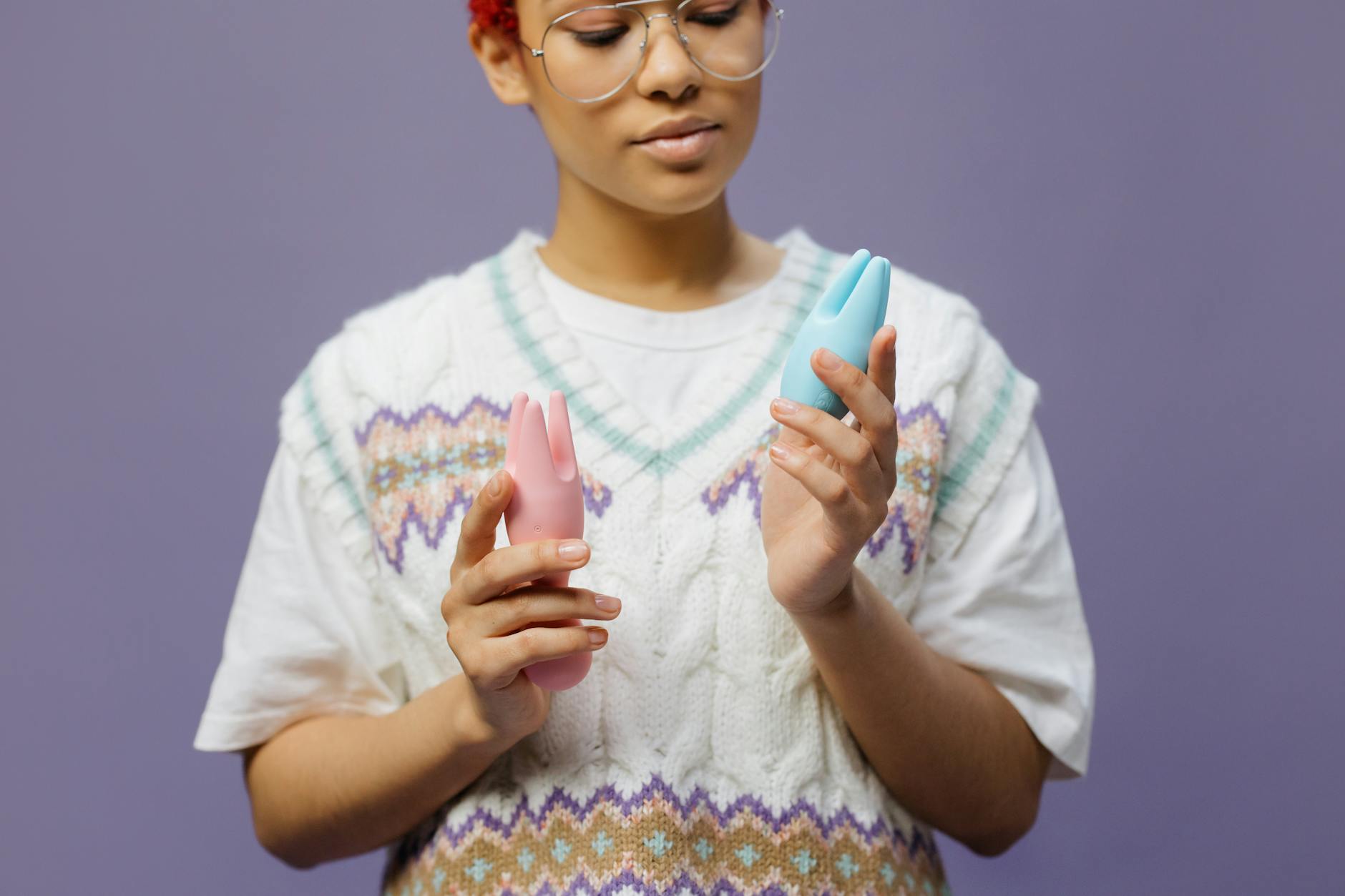
The thing nobody tells you about solo exploration
Once you know what your body actually wants, going back to partnered sex without that knowledge feels like stepping backward. You've spent weeks or months learning your own rhythm with a lemon vibrator. You know the pattern that works, the pressure, the timing. You know you need fifteen minutes to build arousal, not five. You know that gentle suction beats direct friction. And now you're supposed to un-know all of that just because there's another person in the bed?
That's not how this works. The goal isn't to erase what you've learned solo. It's to integrate it.
Why returning to partnered sex after solo play feels disorienting
Let's break down what's actually happening here. When you were exploring solo with a lemon clitoral vibrator, you were the director, the audience, and the entire production. No performance pressure. No checking in on someone else's comfort. No negotiating rhythm or pressure or timing. You could stop whenever, speed up, slow down, restart from the beginning if the moment didn't land. That freedom changes your nervous system.
Partnered sex requires negotiation. Your body has to sync with someone else's, which means compromise. That sounds romantic in theory. In practice, it often means one person's needs get smaller so the other person's fit more easily.
Adding a lemon vibrator to partnered sex doesn't solve this, but it changes the equation. It gives you a tool that keeps your pleasure in your own hands, literally. That shifts the power dynamic in a way that's actually healthy.
The conversation you need to have first
Before you bring the lemon vibrator into partnered sex, talk to your partner. Not during sex. Not as a surprise. Not framed as "you weren't doing it right before." Frame it as information, not criticism.
Try something like this: "I've been exploring what my body actually needs, and I learned some things I want to share with you. I know I get there faster with a certain rhythm and pressure. I'd like us to figure out how to make that work together. I want you in this, not sidelined." That's honest without being accusatory.
Some partners will have feelings about toys. That's real and worth acknowledging. But the conversation isn't about convincing them the toy is better than they are. It's about saying: this tool helps me access my own pleasure, and I want to share that with you. That's a completely different ask.
How to integrate a lemon vibrator into partnered sex
Start small. Don't debut the vibrator during the sex itself. Use it solo in the same room, so your partner can see it in action without the pressure of performing alongside it. This demystifies it. They realize it's not a threat. It's a piece of equipment.
Then, when you're together, begin with foreplay. You might use the lemon vibrator on yourself while your partner is touching you elsewhere. Your clitoris gets what it needs. Your partner stays involved. Nobody's sidelined. This builds arousal faster and more reliably than hoping your partner's fingers find exactly the right spot.
Some people worry this makes them look selfish. It's actually the opposite. You're taking responsibility for your own pleasure instead of expecting your partner to be a mind reader. That's generous. It's also realistic.
Three patterns that actually work
Pattern One: The warm-up path. Use your lemon vibrator solo until you're genuinely close to orgasm (not all the way there, but close). Then shift to partnered sex. Your body's already warm, your pelvic floor is engaged, your partner's entrance feels different because you're more aroused. This changes everything. You're not asking your partner to catch you up from zero. You're asking them to finish what you've started.
Pattern Two: The parallel play. You use the vibrator on yourself while your partner penetrates or does whatever you've agreed to. This works because your clitoris gets consistent, reliable stimulation while your partner gets direct sensation. Nobody's working harder than they want to. The lemon vibrator becomes a neutral third element, not a replacement.
Pattern Three: The aftershock method. Have partnered sex first. Then, if you haven't climaxed (which is normal and fine), use your lemon vibrator to finish. Your partner can be involved, stimulating other parts of your body while the vibrator does its job. Or they can step back and let you have that moment. Either way, you're not faking pleasure to make them feel useful. You're being honest about what you need.
What changes emotionally when toys enter the picture
Here's the part therapists actually care about: when you own your pleasure, the power dynamic shifts. You're not waiting for your partner to "give" you an orgasm. You're choosing to share the experience with them. That's psychologically very different.
Some partners find that hot. Some partners find it threatening. Both reactions are information. If your partner is threatened by the idea that you can pleasure yourself, that's worth exploring in a bigger conversation about autonomy, control, and trust. Those are relationship issues, not vibrator issues.
Most partners, once they get over the initial surprise, realize this makes sex better. You're more relaxed. You're more present. You're not performing. You're not anxious about whether it's going to happen. That ease is contagious.
The lemon vibrator and lasting intimacy
Clitoral vibrators like the lemon sucker work because they focus on what actually gets most people off. That's not a replacement for connection. It's an enabler of it. When you're not stressed about orgasm, you can actually be with your partner. You can feel their touch. You can enjoy the closeness. Paradoxically, using a toy makes partnered sex feel more intimate, not less.
If you're worried this will create a dependency, understand what's actually happening. You're not dependent on the vibrator. You're dependent on consistent, reliable stimulation. Your partner wasn't providing that. The vibrator is. Those are different problems with different solutions.
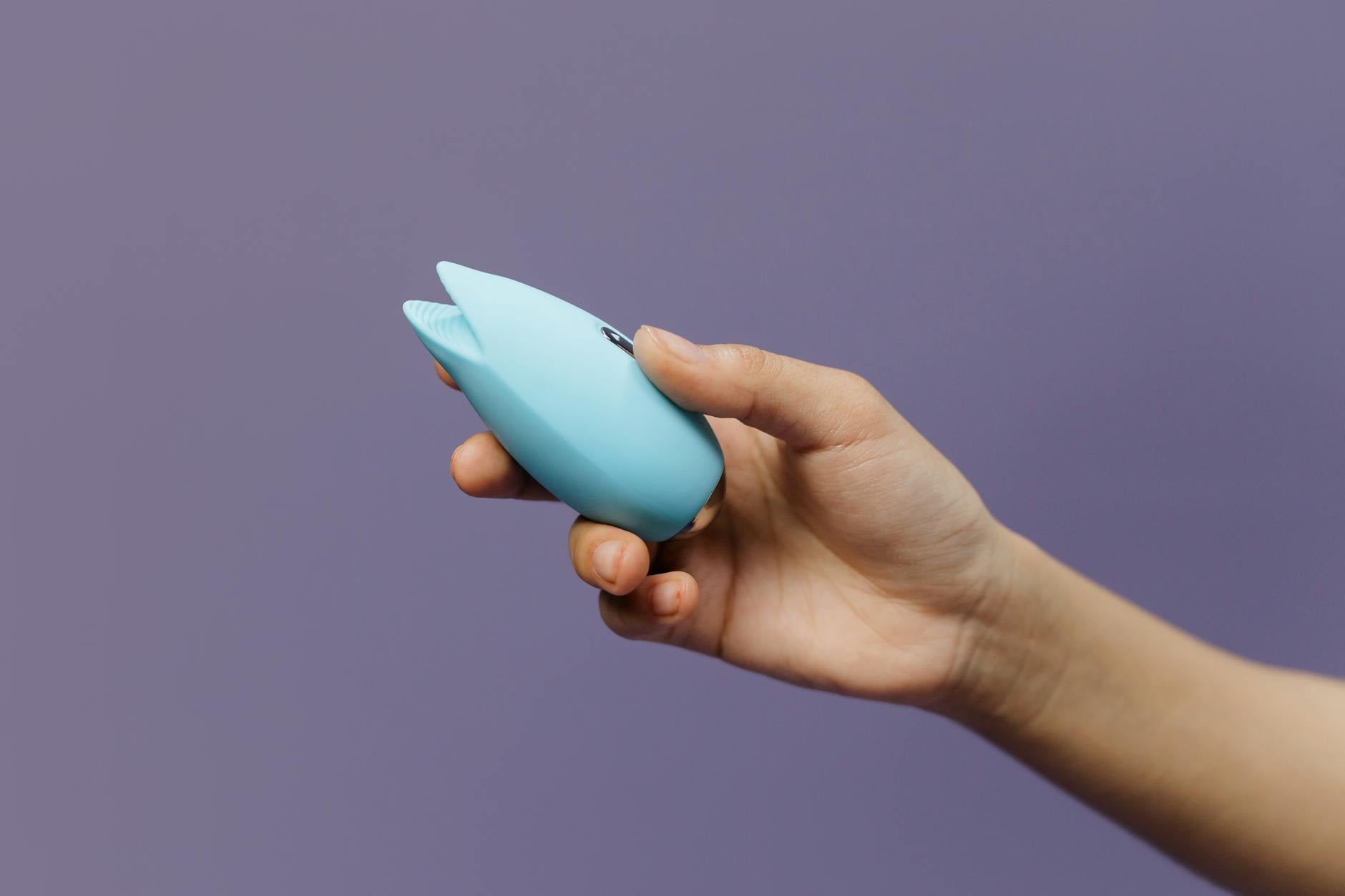
Photo by cottonbro studio on Pexels
Addressing the guilt that shows up
You might feel like you're doing something wrong. You're not. Using a lemon vibrator with a partner isn't selfish. It's not a failure on their part. It's not second-best. It's just what your body needs, and you're being honest about it.
The shame around toys in partnered sex often comes from the idea that "real" sex shouldn't need tools. That's nonsense. People wear glasses to see better. That doesn't mean their eyes are broken. People use lube because bodies are different. That doesn't mean there's something wrong. A lemon clitoral vibrator is the same category of tool.
If the guilt persists, check whether you're actually uncomfortable or whether you're absorbing your partner's discomfort. Those feel the same, but they need different responses. Your discomfort is worth taking seriously. Your partner's discomfort is worth acknowledging, but not at the cost of your pleasure.
When to use a vibrator and when to go without
You don't have to use the lemon vibrator every time. Some sex will feel good without it. Some won't. Pay attention to what your body wants that particular day. Sometimes you want slow, connected sex without any tools. Sometimes you want to come quickly and efficiently. Sometimes you want to spend an hour building up. The vibrator is one option in a larger toolkit, not the only option.
This flexibility actually matters for long-term desire. If you're relying on the vibrator every single time, you might lose the ability to respond to other kinds of stimulation. Use it when you need it. Skip it when you don't. Stay responsive to what your body's asking for in the moment.
Making space for this conversation if your partner's resistant
If your partner is genuinely resistant to toys, don't try to convince them during sex or in the heat of the moment. Schedule a conversation when you're both calm and clothed. Say what you need clearly: "I need consistent clitoral stimulation to orgasm reliably. Right now, I'm not getting that. I have three options in mind. A lemon vibrator is one. Another is more time and specific feedback from you about what works. A third is exploring toys together." Give them real choices instead of presenting the vibrator as the only solution.
Maybe they're willing to spend more time on foreplay. Maybe they want to learn new techniques. Maybe they eventually warm up to toys. Maybe not. But at least you've been honest about what you need, and they've had space to respond without ambush.
The long view
Returning to partnered sex after solo exploration isn't a regression. It's an upgrade. You know more about yourself. You're more capable of directing your own pleasure. You're less dependent on your partner to be a mind reader. That makes you a better partner, actually, because you're bringing clarity instead of confusion.
A lemon vibrator is one way to carry that knowledge into shared space. It's not the only way. But it's a remarkably effective one, especially if you're navigating sensitivity changes or timing mismatches with your partner. The goal isn't to make sex all about the tool. It's to make sex actually work for both of you, which means sometimes that means bringing tools into the room.
FAQ: Returning to partnered sex with a lemon vibrator
Will using a vibrator make my partner feel inadequate?
Only if you frame it that way. If you approach it as "you weren't good enough," yeah, they'll feel bad. If you approach it as "my body works better with this kind of stimulation, and I want to share that with you," it's neutral information. Most partners actually feel relief. They've been trying to do something their hands literally can't do (deliver consistent suction to the clitoris). The vibrator lets them off the hook while still being involved.
Can I use a lemon clitoral vibrator during penetrative sex?
Absolutely. The most common setup is the vibrator on the clitoris while your partner penetrates. This gives the clitoris what it needs while also giving your partner direct sensation. It's not mutually exclusive. You can also use it before or after, depending on what you want.
What if I can only orgasm with the vibrator now?
That's not the vibrator's fault. That's your body's preference becoming clear. Some people need a lot of consistent stimulation to come. That's not a problem. The vibrator is the solution. Worrying about being "dependent" on it wastes energy you could spend enjoying sex. Use it, enjoy it, stop spiraling about what it means.
How do I bring this up without making it awkward?
Do it outside the bedroom, when you're both calm. Be direct and factual: "I want to talk about sex. I've learned I need X kind of stimulation. I'd like to try incorporating this tool. What do you think?" Awkwardness happens when people hint instead of saying the actual words. Once you say it clearly, it's usually fine.
Is it okay to use the vibrator more than my partner wants?
Yes. Your orgasm is your responsibility, not theirs. If your partner isn't comfortable with the vibrator, that's a conversation about boundaries and compromise. But if they're just not enthusiastic, you don't need their permission to use it. You also don't need their enthusiasm to make it worthwhile.
What if my partner wants to use it on me but I prefer using it myself?
That's valid. Solo control feels different from having someone else control it. Some people like both. Some people only like one. Tell your partner which version works for you. If they want the experience of being involved, find another role for them during that time. They can touch other parts of your body, kiss you, hold you. The vibrator doesn't have to be the only form of contact.