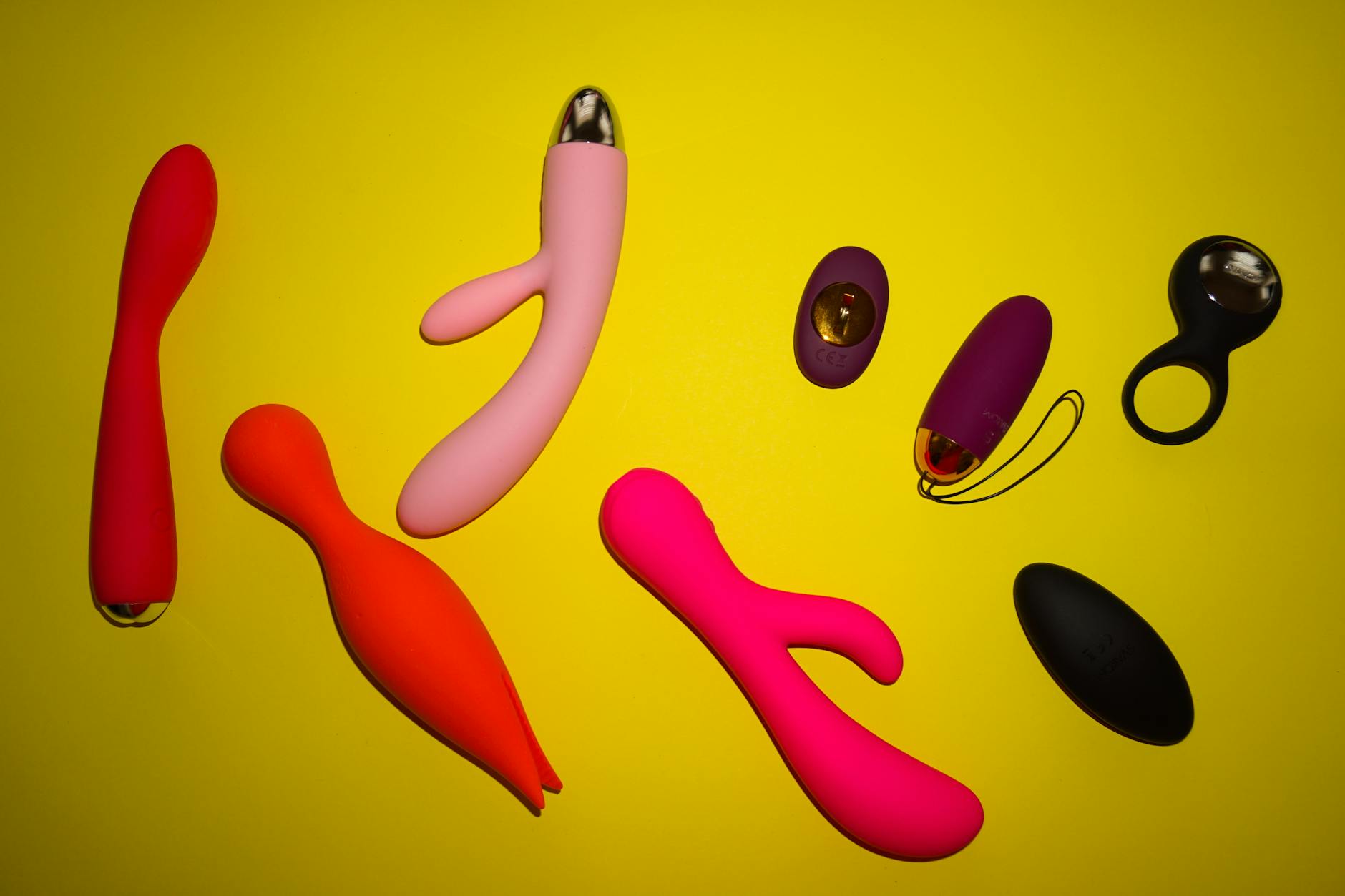
The moment that keeps people silent
You're a few weeks or months into dating someone. The sex is good. But you know yourself, and you know a lemon vibrator would make it better. Maybe way better. And right now, you're stuck in that gap between wanting to mention it and absolutely terrified of what "I brought a toy" means to someone you barely know.
Here's what I hear from clients constantly: the fear isn't really about the toy. It's about being perceived as "too much," "too sexual," "broken," or "hard to please." Those fears make sense because dating culture still hasn't caught up to the reality that people with pleasure have better, more resilient relationships.
So let's talk about how to actually do this. Not in theory, but step by step, with language that works and timing that doesn't blow up your momentum.
Why the framing matters more than the toy itself
When you introduce a lemon clitoral vibrator to someone new, you're not just introducing a device. You're introducing a statement about what you want from sex and from them. The way you present it shapes whether they hear "I want us to feel better together" or "I'm not satisfied with what you're giving me."
These aren't the same thing, but people will assume the second one unless you're deliberate about the first.
The frame that works: this is about mutual pleasure amplification, not correction. A lemon vibrator, a suction toy designed specifically for clitoral stimulation, can make sensation more intense for both of you. When they see you experience deeper pleasure, they often feel more satisfied too. That's not theory. That's neurochemistry. Seeing a partner aroused is arousing.
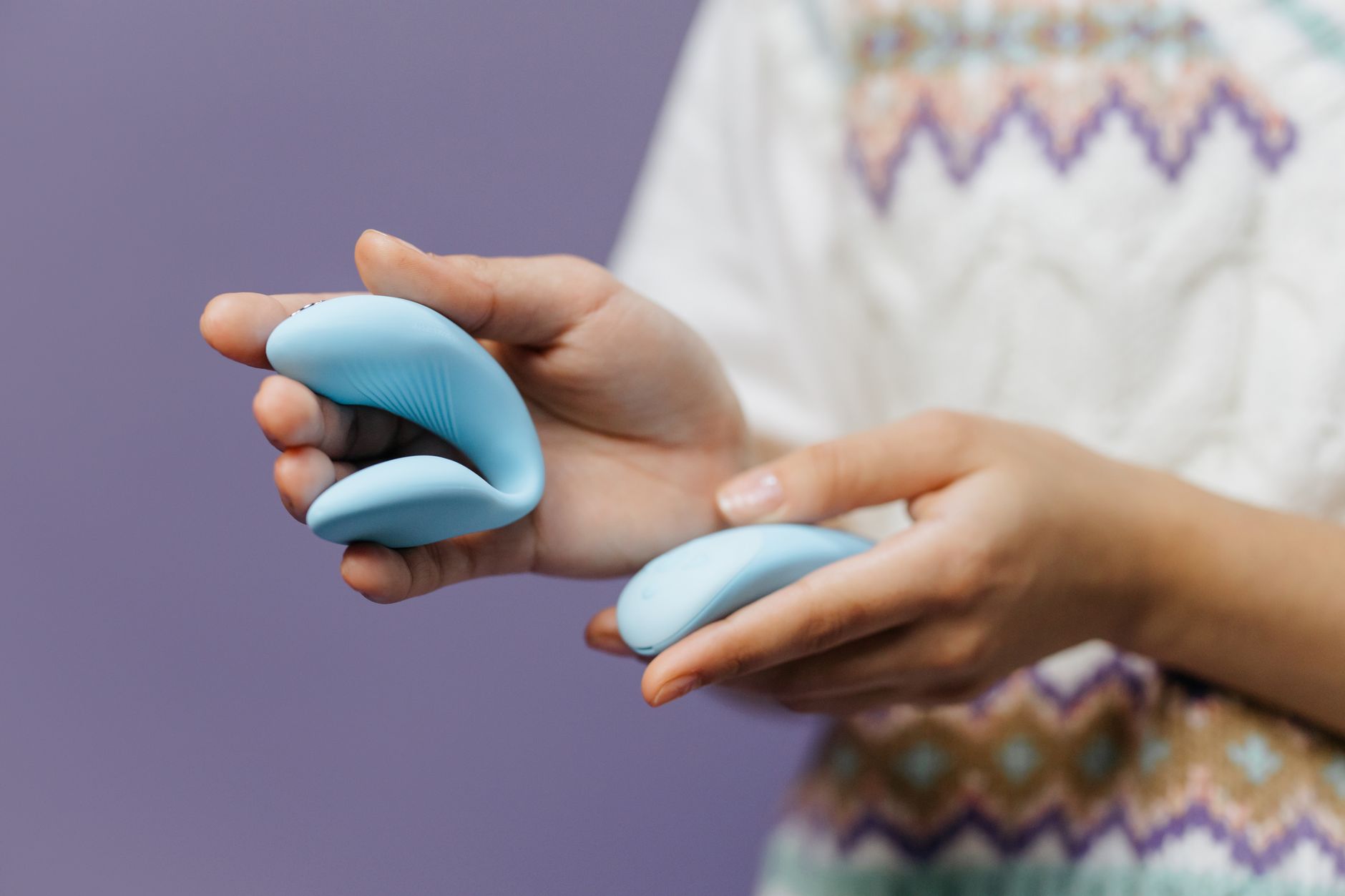
Photo by cottonbro studio on Pexels
The conversation before you pull anything out
Don't ambush anyone with a toy during sex. Have this conversation when you're clothed, calm, and not in the moment.
Good openings:
"I've been thinking about what makes sex feel even better for me, and I know I can experience more intense sensations with a specific kind of toy. I'd like to explore that together. Are you open to trying something?"
Or simpler:
"I want to be honest about what helps me experience more pleasure. I've been using a lemon vibrator, and I'd love to try it with you. Does that sound okay?"
Or if you haven't used one yet:
"I know myself pretty well, and I think a clitoral vibrator would genuinely enhance things for us. I'm not looking for you to feel insecure. I'm looking for us to feel amazing together."
Notice what these do: they're honest, they center both of you, and they ask for consent before introducing the object itself.
What not to do: don't position it as a solution to a problem he's caused. Don't apologize. Don't ask permission in a way that sounds like you're seeking approval for your pleasure. Your pleasure is not a privilege he grants you.
The first time you actually use it together
If they've agreed, here's the practical flow:
1. Show it to them first outside the bedroom. No mystery. A lemon vibrator is sleek, it's beautiful, it's clearly designed with care. Let them hold it, ask questions, see that it's not intimidating. Some people get anxious about unknown objects, and demystifying it helps.
2. Explain what it does. "This uses suction and pulsing patterns to stimulate the clitoris. It's different from vibration. It feels like this." And if you're comfortable, you can demonstrate the sensation on your fingertip so they understand the intensity level.
3. Start with them watching. This is important. Use your lemon vibrator on yourself while they're present and engaged. This does three things: it lets them see what genuine pleasure looks like on your face, it removes the pressure of performance from them, and it normalizes the toy in the room.
4. Then invite participation. "Now I want you to touch me while I use this" or "I'd like you inside me while I use this" or "Want to control the pattern while I guide you?" Give them a role. It's no longer the toy doing something to you. It's the three of you working together.
What to expect from their reaction
Most new partners, once the initial anxiety passes, respond really well. Why? Because they get to watch the person they're sleeping with experience intense, unmistakable pleasure. That's hot. It's also validating for them. Their presence matters even more because they're part of creating that experience.
Some people do feel initial hesitation. Common ones:
"Will I ever be enough for you without it?" This is a security question masquerading as a practical one. The answer is honest and kind: "I want all of you. And I also want all of my own pleasure. Both things are true." You might add: "My pleasure isn't a measure of your skill. It's a measure of what my body responds to."
"I feel like I should be doing that." Okay, so he's got a savior fantasy or a performance expectation. This is where you be direct: "You do things I can't do to myself. This does things your hands can't. We're not competing. We're combining."
"I don't want a toy in the bedroom." This one is harder. You get to decide if this is a dealbreaker. I'd ask: "What specifically bothers you about it?" Because there's usually a real concern underneath (inadequacy, feeling replaced, religious beliefs, whatever), and you need to know what you're actually negotiating.
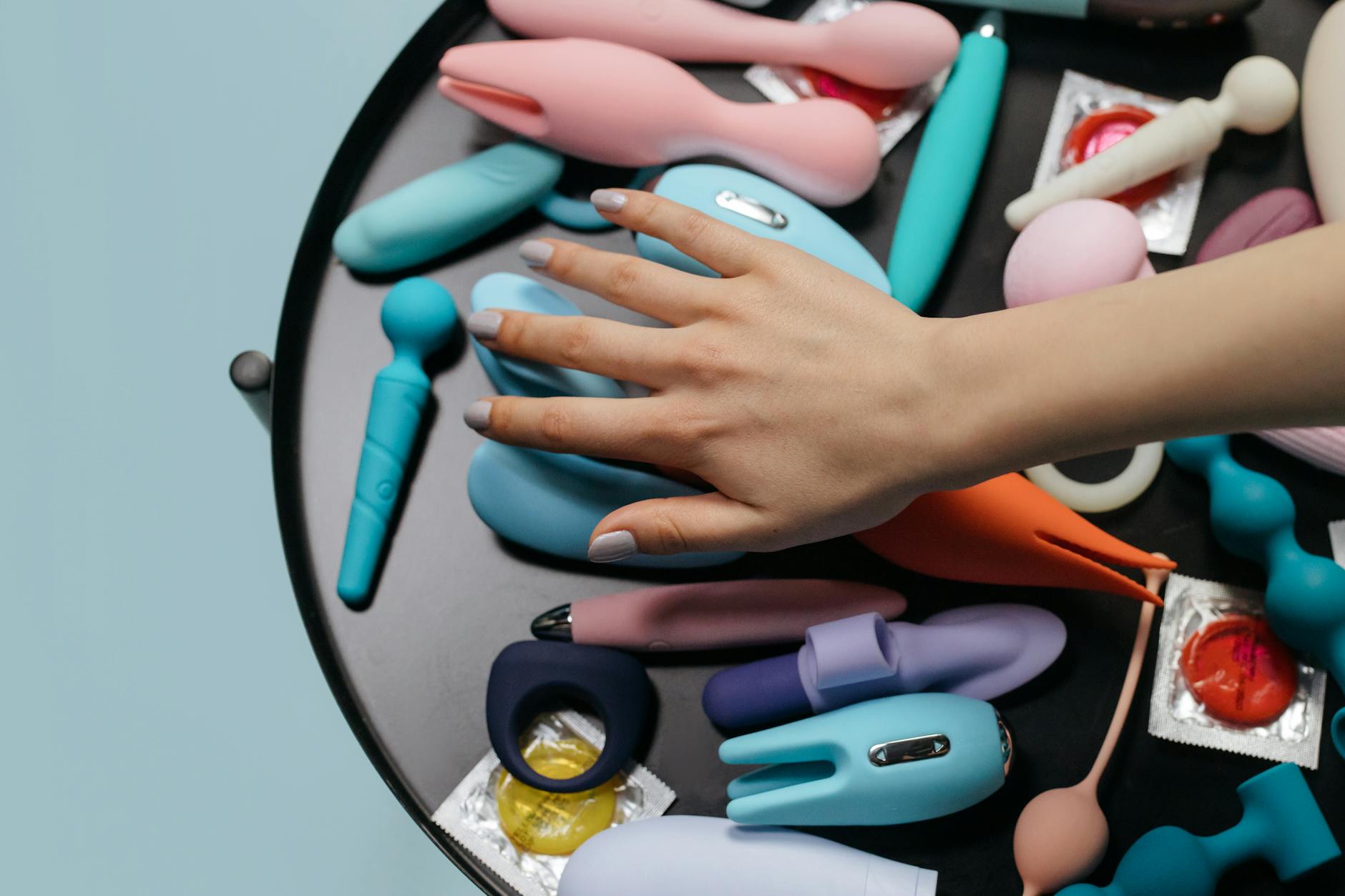
Photo by cottonbro studio on Pexels
The maintenance work after the first time
Let's say it went well. Now you need to keep it normalized.
Use your lemon clitoral vibrator regularly with them. Not obsessively. Naturally. The same way you'd suggest different positions or different timing. It's just another tool in your shared pleasure toolkit. When it stays special and rare, it stays loaded with meaning. When it's ordinary, it's just practical.
Check in sometimes: "What did you like about last time?" or "Want to try a different pattern?" This keeps it collaborative and takes any pressure off them to perform "the right reaction."
Also: if they're using your lemon vibrator on you, you might want to talk about cleaning and care. A Hello Nency lem vibrator is built to last, but treatment matters. Use toy cleaner, avoid harsh chemicals, store it safely. Making this practical discussion part of your routine removes another layer of awkwardness.
When the toy conversation connects to bigger relationship questions
Introducing a lemon clitoral vibrator early in dating actually gives you really useful information. Not because their reaction defines them as a good or bad partner, but because it tells you how they handle vulnerability, novelty, and your autonomy.
A partner who can be curious about your pleasure, even if they're initially uncertain, is someone who can probably navigate other changes together. A partner who demands you abandon your pleasure to protect his ego is showing you something about how he'll handle other conflicts too.
I always tell clients: the toy isn't the test. The conversation is. And how he holds that conversation matters way more than what he says.
Common fears, addressed
Will he think I'm hypersexual? No. He'll think you know yourself. Which is attractive.
Will it become a requirement for sex to be good? Only if you position it that way. A lemon vibrator enhances sensation. It doesn't replace anything. You can absolutely have good sex without it.
Should I wait longer in the relationship to bring this up? Probably not. Six weeks in is better than six months in. It's easier to establish a new normal early than to introduce something after patterns are set.
What if we're already past the early dating stage and this is new? The conversation is a little different, but the framework is the same. You're not asking permission. You're inviting partnership. "I want to try something new with you. I think we'll both enjoy it more."
FAQ
Should I own the lemon vibrator myself before introducing it to a partner?
Not necessarily. You can try one for the first time together. But honestly, knowing how it feels on your own body, what patterns you prefer, and how intense you like the stimulation gives you tons of confidence in the conversation. You're not guessing. You're recommending something you actually understand.
Is there an age or dating stage where this becomes too forward?
Not really. I've seen couples in their sixties introduce toys together early on and couples in their twenties who waited years. The variable isn't age or timeline. It's how comfortable you are with your own pleasure and how willing you are to have one vulnerable conversation. That's always the bottleneck.
What if he wants to use it on me but I prefer using it myself?
Then you say that. "I actually like the control when I use it myself, but I love you being close to me while I do." This isn't a compromise situation. This is a preference situation. Honor yours.
Can a lemon clitoral vibrator actually improve sex with a new partner?
Yes. Because better orgasms create better neurochemistry, which creates better bonding, which creates more confidence and safety together. You're not using the toy to fix a broken thing. You're using it to amplify a good thing that's already happening.
How do I know if this relationship is serious enough to take this risk?
The risk you're actually taking isn't about the toy. It's about being seen as someone who wants pleasure and isn't ashamed of it. If someone can't handle that about you, they're not serious enough. The toy is just the honest conversation that reveals that.
What if he's never used a toy with anyone before?
Then you get to be the person who normalizes it for him. That's actually a gift in a relationship, because you're both exploring something new and vulnerable together. No one's the expert. You're partners figuring it out.
The actual goal here
Let's be clear about what we're aiming for. It's not about getting him comfortable with the toy. It's about building a relationship where you can ask for what intensifies your pleasure without performative apology or shame. The lemon vibrator is just the vehicle.
When that conversation goes well, you're establishing a pattern. He learns that you communicate directly about sex. You learn that he can hear you without getting defensive. Both of those things matter way more than any specific toy.
And honestly, the couples I work with who tackle this early often tell me the same thing months later: "That conversation made everything else easier to talk about." Because it turns out that learning to ask for pleasure together is basically the same skill as learning to ask for anything else you need.
The lemon vibrator isn't the point. The courage to say "this is what I want" is the point. And that courage changes everything.