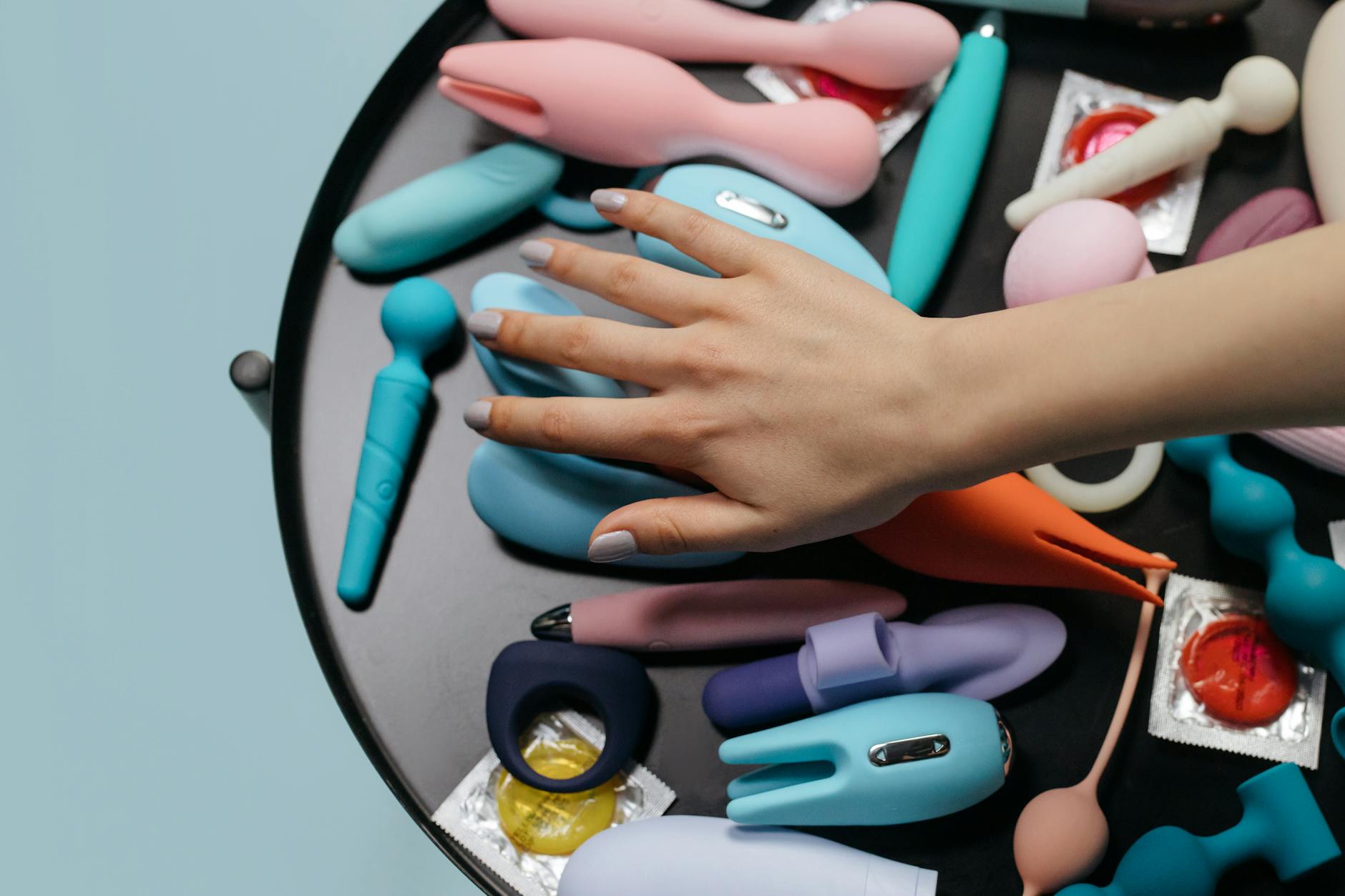
Here's what happens when traditional vibrators irritate your skin
If you've ever used a standard vibrator and walked away with rawness, redness, or that uncomfortable friction burn feeling, you're not alone. That sensation isn't a sign you're broken or too sensitive for pleasure. It's a sign that direct, high-speed vibration isn't the right tool for your skin.
Traditional vibrators work by oscillating rapidly in a fixed pattern. When the motor runs, it creates lateral friction against delicate tissue. For some people, that's fine. For others, it's the equivalent of rubbing your skin with sandpaper for ten minutes straight.
Lemon vibrators, particularly the suction-based design of the Lem vibrator, solve this problem entirely. Here's why.
The friction problem with traditional vibration
Most clitoral vibrators rely on direct contact with high-frequency movement. That friction happens in two ways: horizontal (side-to-side) and vertical (up-and-down). Even on the lowest setting, there's cumulative mechanical stress on the epidermis and the sensitive mucous membranes of the vulva.
For people with:
- Eczema or dermatitis
- Post-procedure sensitivity (laser, chemical treatments)
- Thin or easily irritated skin
- Vulvodynia or generalized sensitivity
- Recent procedures or healing tissue
That constant grinding motion becomes uncomfortable within minutes. The blood vessels dilate in response to the irritation, causing redness and swelling that can last hours afterward.
The problem isn't desire or capacity. It's biomechanics. You're asking sensitive tissue to tolerate speed it doesn't need.
How suction-based lemon vibrators work differently
Lemon clitoral vibrators like the Lem use gentle air-pulse technology instead of traditional vibration. Instead of oscillating side-to-side, they create a rhythmic suction pattern. Think of it as a soft, pulsing squeeze rather than a vibration.
This changes everything for sensitive skin:
No lateral friction. The suction mechanism doesn't rub across your skin. It pulls gently and releases, pulls and releases. The motion is perpendicular to the surface, not across it.
Lower pressure variation. Traditional vibrators can create micro-tears if you're pressed too firmly. Suction-based stimulation distributes pressure more evenly across a wider surface area, reducing peak stress points.
Faster arousal response. Because there's no friction fatigue, your body doesn't spend energy protecting itself from irritation. That means blood flow goes toward pleasure response instead of inflammation.
Customizable intensity without roughness. You can adjust intensity on a Lem vibrator without increasing friction. Lower settings are genuinely gentle, not just "less aggressive vibration."
Why material matters when you have sensitive skin
Before you buy any lemon sexual toy, check the material. The best clitoral vibrators for sensitive skin are made from:
Medical-grade silicone. Hypoallergenic, non-porous, and smooth. It doesn't harbor bacteria and doesn't degrade with water-based lube. If you're prone to irritation, silicone is the safe choice.
Borosilicate glass. Smooth, non-porous, and doesn't interact chemically with any lubricant. It's also easy to clean thoroughly, which matters if you have a history of infections.
Avoid: PVC, jelly rubber, elastomer, and anything labeled "mystery material." These are porous, can leach chemicals, and are more likely to trigger reactions in sensitive skin.
Most lemon clitoral vibrators from reputable brands (including the Lem) use medical-grade silicone. That's one less thing you have to worry about.
The lubrication advantage
If you've been using traditional vibrators with sensitive skin, you've probably discovered that you need more lubrication than partners without sensitivity. That's because friction creates friction, which requires more slip to feel okay.
With lemon vibrators and suction-based stimulation, you need less lube overall. The mechanism itself is gentler, so light lubrication is often enough. That's significant because more lubrication means more frequent reapplication and more chance of irritation from other factors.
Use water-based lubricant. It's compatible with all toy materials, washes away easily, and won't degrade silicone. Avoid silicone-based lubes with silicone toys, even though they last longer. The chemical interaction can cause micro-abrasions over time.
Why lemon adult toys work better for texture-sensitive people
Some people aren't just sensitive to friction or pressure. They're sensitive to texture. Certain toy materials feel rough or sticky, which is maddening when you're already working with a sensitive body.
The sleek, engineered design of a Lem vibrator or similar lemon sexual toy minimizes texture variation. There are no seams, ridges, or porous surfaces. It's smooth from tip to base, which means there's nothing unexpected triggering your skin as you move.
That consistency matters more than you'd think. It removes the mental stress of "will this texture bother me" and lets you focus on sensation instead.
Real talk about healing and sensitivity
If you've recently had a procedure, vaginal laser treatment, or are recovering from childbirth or surgery, sensitivity is temporary. But temporary doesn't mean you have to pause pleasure entirely. Lemon vibrators are often the first toy that feels good during healing because they're genuinely gentler.
Wait until you're cleared by your healthcare provider to resume sexual activity. Then start with the lowest setting on a Lem vibrator, use water-based lube, and keep sessions short. Your body will tell you if it's ready.
Most people find that as they heal, they can use traditional vibrators again without irritation. But many discover they prefer the sensation of suction and never go back.
When sensitivity is part of a larger issue
If sensitivity is paired with pain, burning, or persistent irritation, that's a signal to talk to a gynecologist before you use any vibrator, lemon-based or otherwise. Conditions like vulvodynia, genitourinary syndrome, or dermatitis need assessment first.
Once you have a diagnosis and treatment plan, a gentle lemon clitoral vibrator is often part of the solution. Many pelvic floor therapists recommend air-pulse toys specifically because they're compatible with healing protocols.
Starting with the right tool
If you're buying your first clitoral vibrator and you have sensitive skin, choosing the right lemon vibrator is half the battle. Start low, use lube, and give yourself permission to pause if anything feels off. Your body will adjust to the sensation within the first few uses.
Many people with sensitive skin report that lemon vibrators feel less intense than traditional toys, even on higher settings. That's because suction doesn't create the same kind of stimulation fatigue. You can use it longer without your skin getting angry.
The best vibrator is the one that brings you pleasure without the price of irritation afterward.
Frequently asked questions
Do lemon vibrators work for people with vulvodynia?
Yes, often better than traditional vibrators. Because there's no lateral friction, suction-based lemon sexual toys can be gentler for vulvodynia sufferers. That said, everyone's pain profile is different. If you have diagnosed vulvodynia, check with your pelvic floor specialist before trying any new toy. Many recommend starting with the lowest intensity setting and using warm compress therapy afterward to support tissue healing.
Can I use my lemon clitoral vibrator right after a gynecological procedure?
Wait for clearance from your healthcare provider. Most gynecologists recommend waiting 1-2 weeks after minor procedures, and 4-6 weeks after more invasive treatments like laser therapy. When you do resume, start gently and watch for swelling or discomfort. If irritation appears, pause and use cool compresses.
Will a Lem vibrator cause thrush or bacterial infections?
No more than any other well-made sex toy. The key is cleanliness. Wash your lemon vibrator with warm soapy water before and after use. Avoid sharing without cleaning in between. If you're prone to infections, using water-based lube (not oil-based) and taking breaks between sessions can help. Your body's microbiome is more important than the toy itself.
What's the difference between a lemon vibrator and a traditional vibrator for sensitive skin?
The main difference is the stimulation mechanism. Traditional vibrators use oscillation (rapid back-and-forth movement). Lemon vibrators use gentle suction or air-pulse technology. For sensitive skin, suction creates less friction and irritation while still delivering intense stimulation. It's why many people with sensitivity prefer them.
Can I use silicone-based lube with my lemon adult toy?
Only if your toy is made from non-silicone material like glass or stainless steel. Most lemon vibrators are medical-grade silicone, so stick with water-based lube. Water-based options work just as well and are easier to clean up. They also won't degrade your toy over time.
How long does it take to adjust to a lemon clitoral vibrator if I've had irritation before?
Most people adjust within the first 3-5 uses. Because suction-based stimulation is different from what your body is used to, the sensation might feel odd at first. That's normal. By the second or third session, your nerve endings adjust and the sensation starts to feel intuitive. If irritation appears within that window, scale back intensity or session length, and your skin will likely calm down within 24 hours.
The bottom line
Sensitive skin doesn't mean you have to give up pleasure. It means you need the right tool. Lemon vibrators, with their gentle suction-based design and smooth material, solve the friction problem that traditional vibrators create. If you've abandoned vibrators because of irritation, it's worth trying a suction-based design. Your skin will thank you.