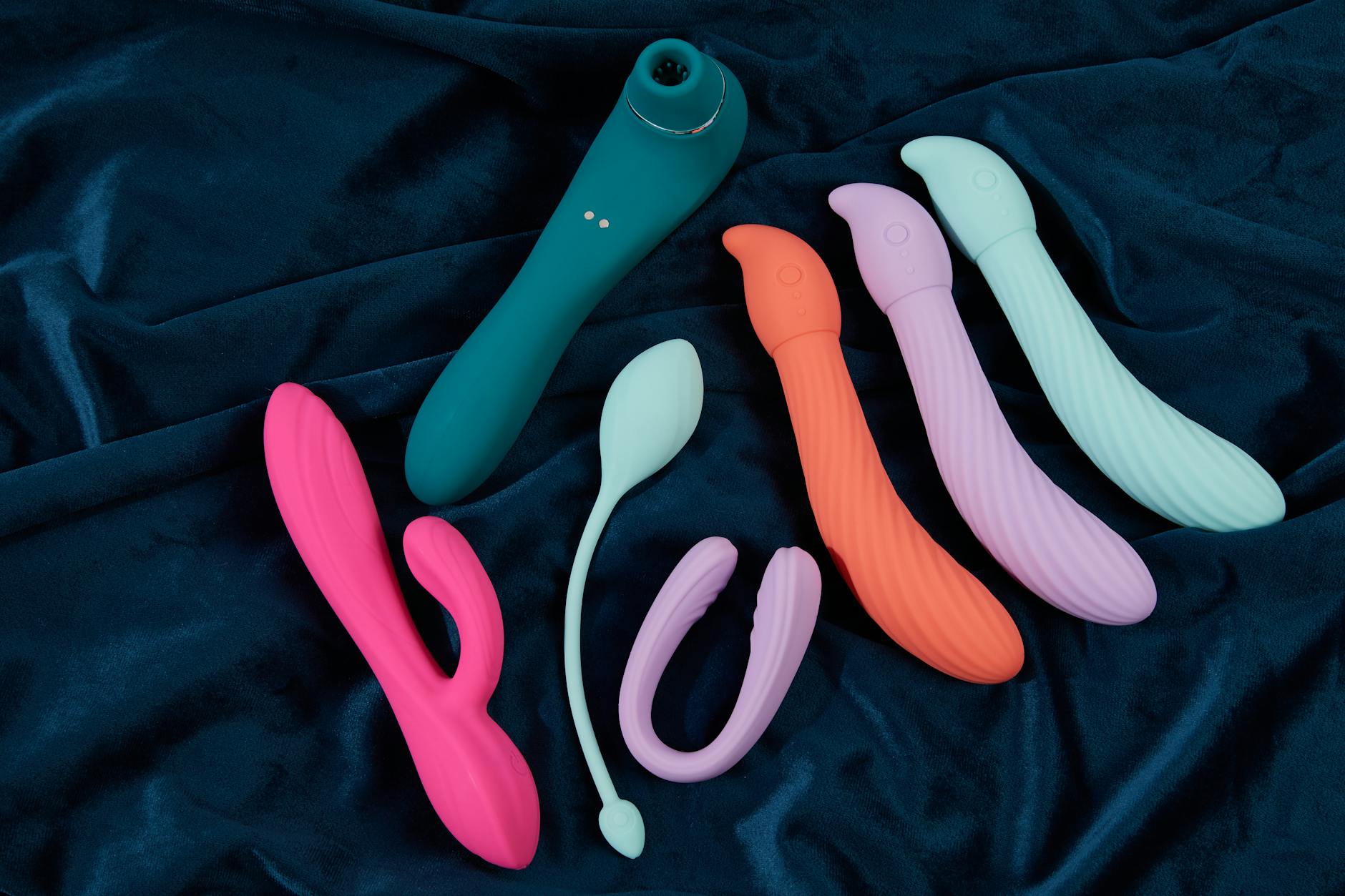
Here's what nobody tells you about orgasms stopping
It's not usually your body that forgot how. It's your brain.
When you haven't had an orgasm in months, two things happen simultaneously. First, the anticipatory anxiety kicks in. Every time you try, there's a whisper in the background: "Will it work this time?" And that whisper is a dead weight. Your nervous system knows the difference between safety and performance pressure, and it shuts down arousal the moment it smells the latter.
Second, the pleasure response itself can flatten. Not because your nerve endings went anywhere. But because your brain has learned, through repetition, that this particular activity doesn't deliver. So it stops bothering to invest in the response. This is called learned inhibition, and it's remarkably common.
The good news is that learned inhibition is also remarkably fixable.
Why lemon vibrators specifically help break the no-orgasm cycle
Let me walk through the mechanics of why a lemon clitoral vibrator is uniquely positioned to interrupt this pattern.
When you've been in a no-orgasm zone for a while, direct vibration can actually feel like more pressure. Your brain reads it as another attempt to achieve something. Your body tenses. And you're right back where you started.
Lemon vibrators work differently. The suction mechanism mimics the sensation of indirect stimulation. Instead of saying "perform," the lemon toy says "feel." There's a subtle but profound difference. With suction, your nervous system doesn't perceive the same outcome-focused demand. You can relax into sensation without the weight of expectation.
The second reason is proprioceptive feedback. When you use a lemon sucker, you feel yourself responding. You feel pressure, release, and the micro-movements of your own tissue responding. That tangible feedback is often the key that allows your brain to believe pleasure is actually happening. It's not a mystery vibration. It's a conversation between you and your body.
Third, the pattern interrupt itself. Your brain has learned that sex toys or self-pleasure leads to frustration. Using something completely different, with a sensation you've never felt before, disrupts that learned expectation. You're literally teaching your nervous system a new association.
The reset protocol: how to start using a lemon vibrator after months without orgasm
This matters more than the tool itself. Technique can make or break whether this works.
Step one is removing the goal. I mean this literally. You are not trying to have an orgasm this week. You are trying to feel sensation and notice what your body does. That's the only win condition. If you catch yourself thinking "Is it happening yet?" stop and redirect. "I'm noticing warmth. I'm noticing pressure. That's the work right now."
Step two is time. Budget 30 minutes minimum, ideally in a situation where you're not rushed. Your nervous system needs runway. Start with the lowest suction setting on your lemon vibrator. Yes, it feels subtle. That's the point. Spend 10 minutes just letting your body adjust to the sensation without any goal attached.
Step three is attention. Notice what's happening without narrating it as good or bad. Heat? Notice it. Numbness? Notice it. Boredom? That's data too. Your job is not to feel a certain way. Your job is to feel what's actually there.
Step four is progression. Once the first 10 minutes feels genuinely comfortable, move up to pattern two or three. Again, not because you're chasing outcome. Because your body is ready for slightly more input. Stay there until you feel a shift in sensation. Increased blood flow, heightened sensitivity, anything that signals your nervous system is engaged rather than defended.
The role of psychological safety in rebooting orgasm
Here's what I see clinically most often. People in a no-orgasm pattern have usually been white-knuckling for so long that they've forgotten what relaxation feels like during self-pleasure. Their shoulders are up by their ears. They're holding their breath. Their pelvic floor is locked.
A lemon clitoral vibrator helps with this because the sensation is interesting enough to distract from self-monitoring but gentle enough not to trigger performance panic. It's permission to be curious instead of goal-oriented.
If you're partnered, tell your partner you're taking two weeks off from partnered sex while you do your reset. Not as punishment. As clarity. You need to know that your body still works, in isolation, without another person's expectations in the room. Once you've had an orgasm or two on your own, the pathway is restored. Then you can gradually reintroduce partnered activity.
If you're solo, give yourself the same permission. You don't have to perform. You just have to feel.
What to do if numbness or deadness persists
Sometimes the learned inhibition runs deeper. You've been in the no-orgasm zone so long that even with a lemon vibrator and perfect technique, sensation feels muted. This is still fixable, but it might require one additional layer.
Try integrating a brief mindfulness practice before you start. Three minutes of box breathing: in for four, hold for four, out for four. Your nervous system is stuck in low-grade fight-or-flight. This brings it back to neutral. Then begin with your lemon vibrator.
Also consider whether there's unresolved tension with your partner or residual anxiety about your body. Sometimes the no-orgasm pattern isn't actually sexual dysfunction. It's a symptom of something else wearing a sexual disguise. If the lemon vibrator and the reset protocol don't shift anything after four or five weeks of consistent practice, talking to a sex-positive therapist is worth the investment. It's often not a hardware problem.
Photo by cottonbro studio on Pexels
Building a sustainable pleasure practice after breakthrough
Once you've broken through the no-orgasm pattern, the work shifts to maintenance. And this is where people often backslide.
Your brain has now learned a new association: lemon vibrators lead to pleasure. Don't just abandon the tool thinking you've graduated. Integrate it. Use it once or twice a week, ideally without any other goal than pleasure itself. This keeps your nervous system confident in its own capacity.
Also pay attention to what usually precedes the no-orgasm pattern coming back. Is it stress? Relationship tension? Insufficient sleep? Identify your personal triggers and build small interventions around them. Sometimes that's as simple as "Tuesday nights are for solo pleasure," just to keep the pathway warm.
The other piece is noticing what happens psychologically when pleasure returns. People often feel relief, then guilt. As if their body was broken and is now fixed. That's not what happened. Your body was working the whole time. Your nervous system just needed permission to believe pleasure was safe again. That's powerful, and it's worth acknowledging.
FAQ: Common questions about using a lemon vibrator for orgasm issues
Why does it take so long to feel anything when I first start using a lemon vibrator?
Your nervous system has learned to defend against the expectation of pleasure. It takes time to signal safety. In the first few sessions, you might feel almost nothing. This is normal and actually a good sign. Your body is learning that this is a safe space, not a performance test. By session three or four, sensation typically deepens.
Can I use a lemon clitoral vibrator if I'm also on antidepressants that affect orgasm?
Absolutely. Many SSRIs flatten sexual response. A lemon vibrator can help by providing a different kind of stimulus that sometimes bypasses the dampening effect. That said, talk to your prescriber about it. Sometimes adjusting dose or timing can help too. The vibrator is a tool, not a replacement for medical conversation.
How often should I use a lemon sucker to break the no-orgasm pattern?
Start with once or twice a week, sessions of 20 to 30 minutes. More than that can feel like you're chasing it again, which triggers performance anxiety. Less than once a week, and you're not giving your nervous system enough consistent signal that pleasure is available. Find the rhythm that feels exploratory, not pressured.
What if I feel worse before I feel better when using a lemon vibrator?
This happens sometimes. Increased frustration in the first week or two is common because you're confronting months of accumulated "this doesn't work" messaging. If it gets worse after three weeks of consistent practice, step back and consider whether there's an underlying relationship issue or trauma response at play. That's when therapy matters.
Does it matter which type of lemon vibrator I start with?
Start with a basic model on lower suction settings. Don't buy the most expensive option thinking power solves the problem. It doesn't. Your nervous system needs gentle consistency more than intensity. Once you've rebuilt the pathway, you can explore other Hello Nancy products if you want variety. But the entry point should be modest and approachable.
Can I use a lemon vibrator while partnered if I'm trying to break a no-orgasm pattern?
Yes, but sequence matters. First solo, to prove to yourself that your body still works. Then, bring it into partnered time if you want. When you do, frame it as collaborative exploration, not as fixing something broken. Partnered use of a lemon clitoral vibrator works best when both people approach it as curiosity, not rescue.
The bigger picture: pleasure is a skill you can restore
Orgasm isn't something you either have or don't. It's a response your nervous system learns to trust. When that trust breaks down, it feels permanent. It's not.
A lemon vibrator, combined with time, gentle intention, and permission to feel without performing, can absolutely rewire that response. Your body didn't forget. Your nervous system just needed to remember that pleasure was safe.
If you want to dive deeper into the patterns that interrupt pleasure and how to rebuild connection in your relationship, I'm always available for a conversation at Hello Nancy. You're not alone in this, and the fact that you're looking for solutions is already the beginning of one.
References and sources
This article draws on clinical evidence from relationship therapy, sexual psychology, and neuroscience on conditioned inhibition and nervous system regulation.
Key sources:
- Basson, R. (2000). The female sexual response: A different model. Journal of Sex & Marital Therapy, 26(1), 51-65. On learned inhibition and orgasmic response.
- Gottman, J. M. (2011). The science of trust: Emotional attunement for couples. W.W. Norton & Company. On psychological safety and nervous system state.
- Porges, S. W. (2011). The polyvagal theory: Neurophysiological foundations of emotions, attachment, communication, and self-regulation. W.W. Norton & Company. On vagal tone and sexual response.
- Studies on suction-based stimulation devices show increased reported pleasure and reduced performance anxiety compared to traditional vibration alone.