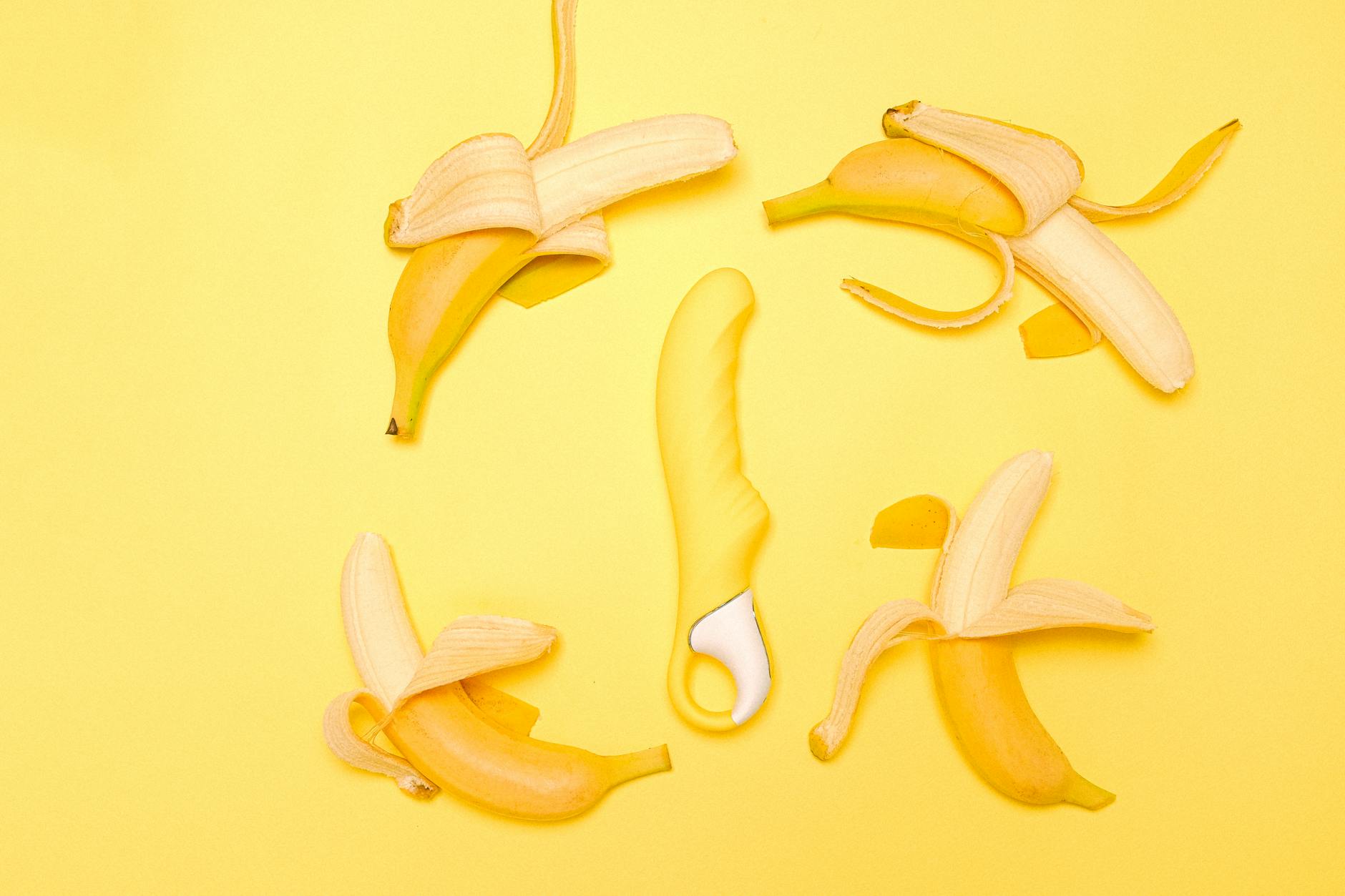
The part no one warns you about
Hormonal birth control is one of the most significant medical advances for reproductive autonomy. It's also a quiet hijacker of libido. Between 15 and 30 percent of people on hormonal contraceptives report a noticeable drop in desire, and that's just the ones who notice it clearly. Many more experience a slow fade that feels less like a lightbulb switching off and more like a dimmer being turned down over weeks.
Here's the thing: this isn't a character flaw. It's not about your partner or your relationship. It's chemistry. The same synthetic hormones that stop ovulation also change how your brain processes desire, how your genitals respond to touch, and whether your body makes enough natural lubrication. And then you're left wondering if something is wrong with you. It isn't.
What hormonal birth control actually does
Most birth control methods work by suppressing testosterone or flooding your system with synthetic estrogen and progestin. Both change the landscape of arousal in measurable ways.
Testosterone is the hormone that drives desire across all genders. Hormonal contraceptives lower free testosterone (the kind your body can actually use), which means less spontaneous desire, fewer intrusive sexy thoughts, and less urgency to act on arousal when it does appear. That's not nothing. For some people, it's the difference between wanting sex and going through the motions.
Synthetic estrogen also increases something called sex hormone binding globulin (SHBG), which binds up any testosterone that's left floating around. It's like birth control puts your desire into a locked box.
On top of that, your vaginal tissue thins slightly on hormonal contraceptives. Not as dramatically as it does during menopause, but noticeably. Less tissue means less sensation, and less natural lubrication even when you're aroused. So you might get wet slower, or not at all. And if your brain is already sending weaker desire signals from the testosterone drop, your body might not be responding with the physical signs you're used to.
Why this matters (and why you're not broken)
Many people on hormonal birth control interpret a drop in desire as a sign the relationship is failing. They panic. They blame their partner. They wonder if they're depressed. They reach for expensive supplements that don't help.
But this is predictable, measurable, biochemical. Your brain chemistry changed because you put a hormone into your body. That's not a failure of the relationship. It's not a reflection of how attractive your partner is. It's not in your head (well, it's in your brain's chemistry, but not in a psychological way).
Once you separate "my birth control changed my arousal" from "something is wrong with my relationship," you can actually address the first problem without catastrophizing about the second.
The physical shifts that happen
Four main changes happen on hormonal contraceptives:
Slower arousal ramp. Where you used to feel something building in 5 to 10 minutes, you might now need 15 to 25 minutes of direct stimulation. This isn't lazy. Your nervous system is literally getting weaker signals from your brain.
Less spontaneous desire. The random moments when you suddenly wanted sex, usually driven by a testosterone spike. Those get rarer. You might find yourself wanting sex only in deliberate contexts, which can feel less fun and more logistical.
Reduced sensation overall. Touch that used to feel electric might feel pleasant but muted. Some people describe it as feeling like they're wearing gloves. The receptors are there. The signals are just quieter.
Lubrication changes. You might not get wet at all, or only after significant arousal. This is one of the most startling changes because it's so obvious and so personal. Many people think something is medically wrong.
None of these are permanent side effects. Most of them reverse when you stop the medication. But in the meantime, you're supposed to keep having good sex with a dimmed-down nervous system. That's where a lemon clitoral vibrator actually helps.
Why a lemon vibrator works specifically for this
A lemon clitoral vibrator works differently than a traditional wand or bullet. Instead of vibration alone, it uses gentle suction to stimulate the clitoris and surrounding tissue.
When your natural lubrication is lower and your sensation is muted, a suction toy does two valuable things. First, it creates a seal that concentrates stimulation in a very small area, so even muted sensation becomes more noticeable. You feel more with less ambient arousal. Second, the suction itself can increase blood flow to the area, which sometimes brings back some of the sensation that birth control dampened.
Many people on hormonal contraceptives report that a lemon vibrator actually works when nothing else does. Not because it's magic, but because the mechanics of suction bypass the need for intense sensation that you no longer have.
How to use it if you're on birth control
Start with realistic expectations about time. Set 20 to 30 minutes aside, not because the vibrator is slow, but because your arousal pathway is slower now. Rushing to an orgasm that takes longer creates pressure, and pressure kills arousal.
Use plenty of lubricant. Even if you're getting a little wet, add water-based lube. This isn't a sign of failure. Your birth control is suppressing lubrication. Lube is a tool, not a band-aid for a broken body.
Start at a lower intensity setting. If your lemon clitoral vibrator has multiple patterns or power levels, begin at the lowest. Your tissue is more sensitive to irritation on hormonal contraceptives, even though sensation itself feels duller. That contradiction is annoying and real.
Give yourself time to find the spot. The suction works best when the toy is creating a complete seal. That might take a few minutes of small positioning adjustments. This is not wasted time. This is the warm-up your nervous system needs.
Don't assume you'll come. Birth control can make orgasms harder to reach or less intense when you do. That doesn't mean they won't happen. It means expecting the same pattern you had before will frustrate you. Some sessions, you'll orgasm easily. Others, you'll feel good and decide to stop. Both are fine.
See if you can shift your goal from "reach orgasm" to "feel good in my body for 20 minutes." That one mindset shift removes a huge amount of pressure and often makes orgasms more likely, not less.
When to consider switching methods
If you've been on the same birth control for 6 months and your desire is still flatlined, it might be worth talking to your doctor about alternatives. Not all hormonal contraceptives affect everyone equally. The progestin-only pill, the implant, and the IUD have slightly different hormonal profiles, and some people respond much better to one than another.
Your doctor might also suggest a lower-dose formulation or a different type of synthetic hormone. This conversation is worth having if your sex life has genuinely suffered, because you don't have to choose between reliable contraception and desire. Different options exist.
Non-hormonal options like copper IUDs or barrier methods don't affect arousal at all. If hormonal birth control is consistently killing your desire and nothing has helped, that's a real trade-off worth considering.
The emotional piece that matters
When arousal tanks because of birth control, partnerships often strain. One person feels guilty for not wanting sex. The other person feels rejected. The birth control itself becomes invisible, and the relationship becomes the blamed culprit.
If you're in a partnership, naming this out loud changes everything. "This isn't about us. It's about the hormones in my body making desire harder to access." Your partner stops thinking they're the problem. You stop blaming yourself. And then you can problem-solve together instead of just resenting each other.
If you're single, there's less interpersonal pressure, but the self-blame can actually be worse. You might think you're asexual or that something fundamental has changed about your sexuality. Knowing it's the birth control can be oddly liberating.
Your desire didn't disappear. The signal is just quieter. That's something you can work with.
FAQ
Does a lemon suction vibrator work better than a traditional vibrator when you're on hormonal birth control?
For many people, yes. Suction focuses stimulation in a way that helps when sensation is naturally lower. But it's not universal. Some people find a strong, rumbly vibrator more effective than suction. Try both if you can, or ask friends what they find works. Your nervous system might prefer something different from someone else's.
Will my desire come back if I stop taking hormonal birth control?
For most people, yes, within a few cycles. Testosterone levels typically normalize fairly quickly once the synthetic hormones leave your system. But some people find their baseline desire never fully returns to pre-birth control levels, even months later. That's rare but worth knowing.
Can I use lube with a lemon clitoral vibrator?
Absolutely. Use water-based lube with silicone toys. Silicone-based lubes can degrade the toy's material. Lube is not optional when you're on birth control and your natural lubrication is suppressed.
Is low desire from birth control permanent?
No. It's a side effect of the medication. Once you stop, desire typically returns. But if you're staying on birth control, you can manage it rather than waiting for it to magically improve.
Should I tell my partner my birth control is affecting my desire?
Yes. If you're in a partnership, this conversation is important. It separates the birth control issue from the relationship issue and helps both of you understand what's happening. Your partner can't help if they think they're the problem.
Does the type of birth control matter for arousal?
Yes. Hormonal IUDs, implants, and pills all have different profiles. The progestin-only pill suppresses testosterone less than combination pills. Copper IUDs don't affect hormones at all. If your current method is decimating your desire, alternatives exist. This is worth discussing with your gynecologist.
The bottom line
Hormonal birth control is a powerful tool for reproductive freedom. It's also a real influence on arousal. That's not a failure on your part or a sign your relationship is broken. It's just what happens when you introduce synthetic hormones into your body. A lemon clitoral vibrator can help bridge the gap while you're on birth control, and knowing the science behind the change can help you stop blaming yourself.
If you want to talk through how to navigate this or explore other options, we're here to help.