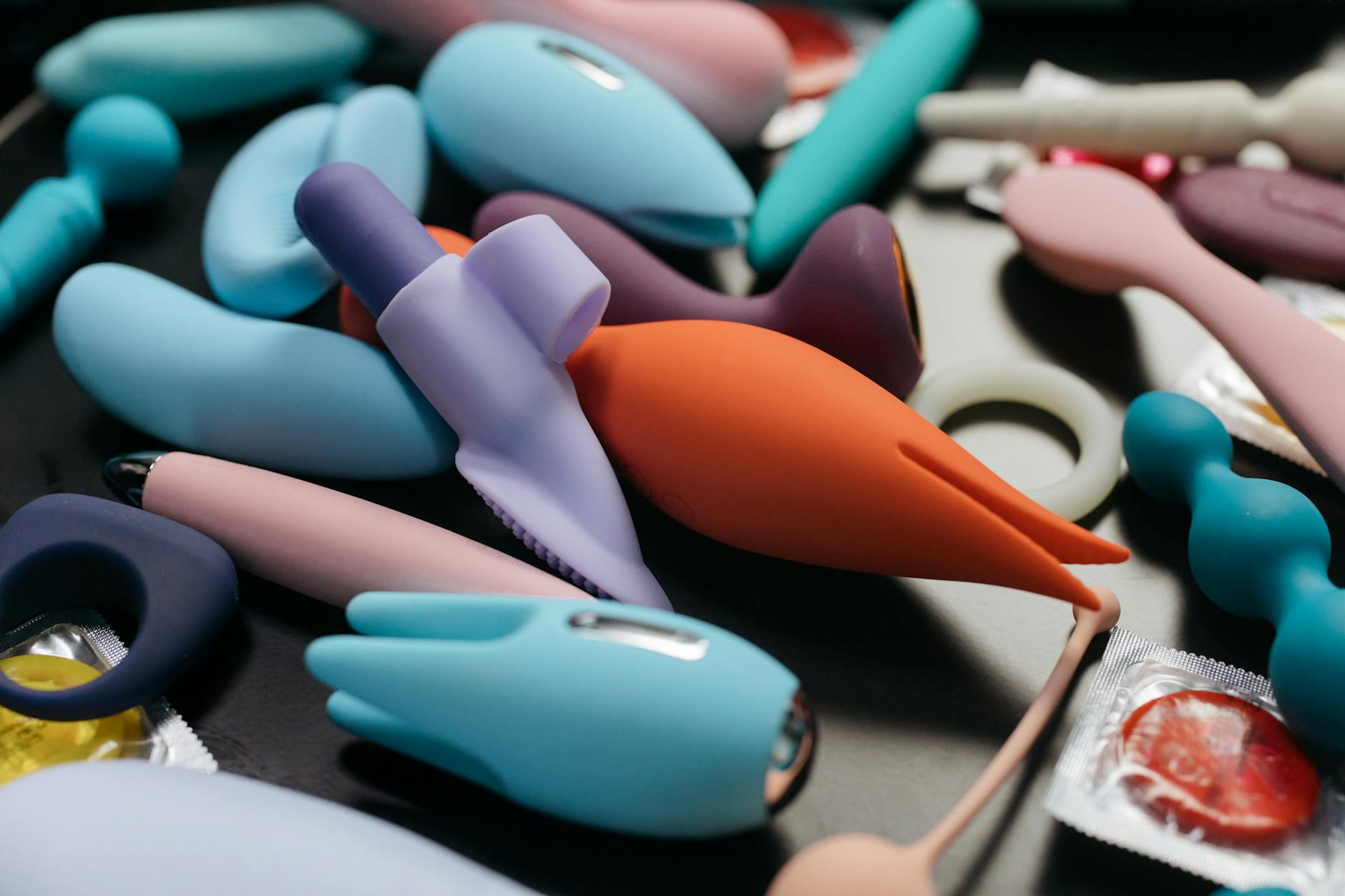
Here's the thing about medication and pleasure
Your antidepressant isn't ruining your sex life on purpose. But it's definitely complicating it. SSRIs, SNRIs, some blood pressure meds, antihistamines, and a handful of other prescriptions can slow down arousal, flatten sensation, or make orgasm feel like chasing a horizon line. You're not broken. Your brain chemistry is just working differently now.
The problem isn't that pleasure is gone. It's that the same stimulation that used to work isn't enough anymore. You need either more intensity, a different kind of touch, or both.
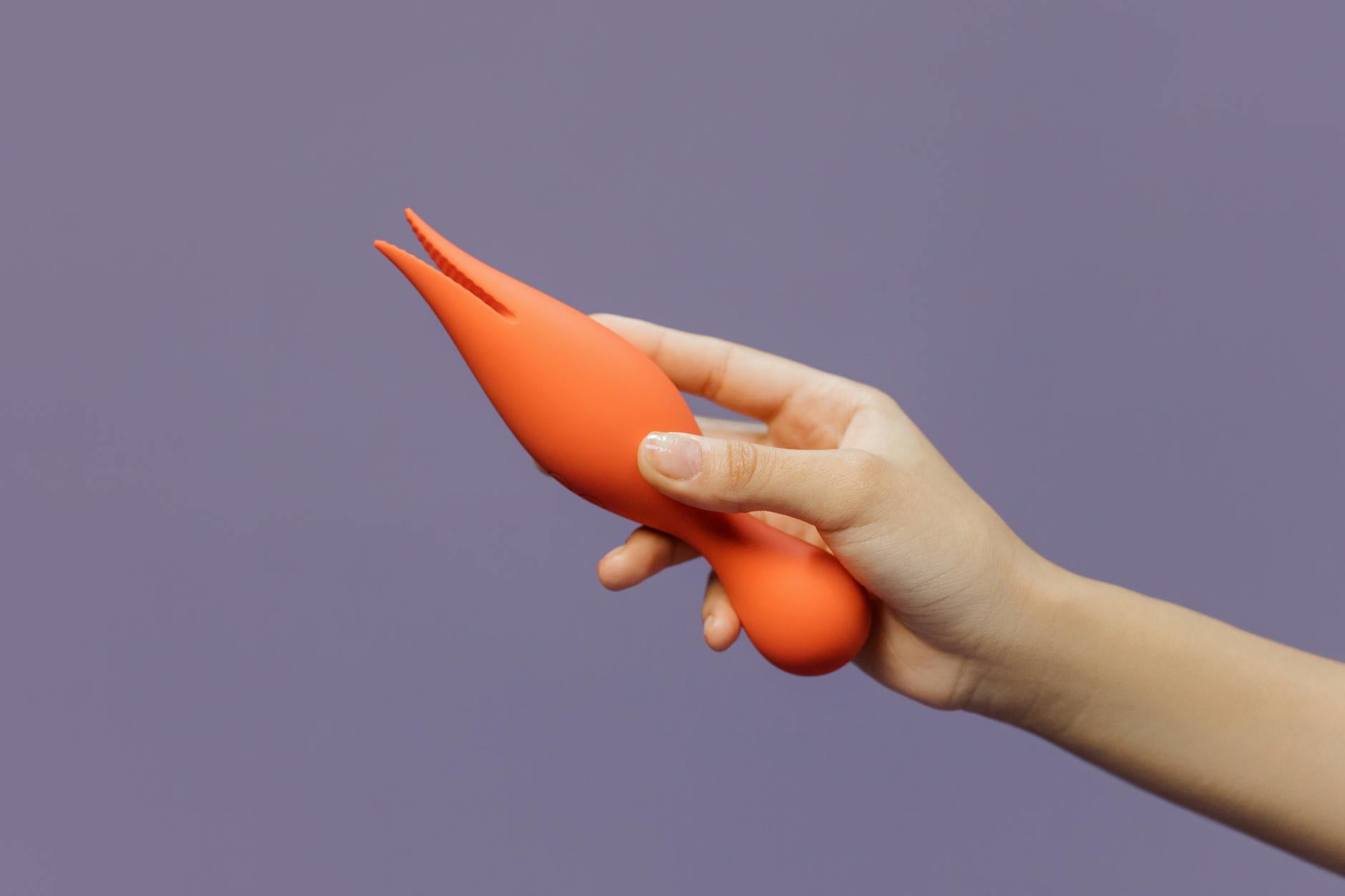
Photo by cottonbro studio on Pexels
That's where lemon clitoral vibrators and suction toys enter. They work on a completely different mechanical principle than traditional vibrators. And for medication-affected bodies, that difference is often life-changing.
Why your current toys might not be cutting it anymore
Most vibrators use rhythmic buzzing or pulsing to stimulate nerve endings. That works fine when your system is responsive. But when medication dulls sensation or delays arousal, you're essentially asking your body to feel something it's already struggling to feel. Adding more vibration intensity just makes it buzzy and exhausting, not pleasurable.
There's also the time factor. Delayed orgasm from SSRIs or other meds can mean you're looking at 45 minutes, 90 minutes, sometimes longer to climax. Standard vibrators get tiring. Your hand cramps. The moment breaks.
Lemon suction toys (like the Lem vibrator) approach this completely differently. Instead of vibrating the clitoris, they create a gentle suction and release pattern that mimics oral sex. This engages deeper nerve clusters and creates a building sensation rather than a constant buzz.
How suction works when medication blocks standard sensation
Your clitoris has about 8,000 nerve endings, most of them concentrated in the glans and inner labia. Traditional vibrators stimulate these in a one-directional way. Suction stimulates them multi-directionally, creating a different neural pathway altogether.
When medication has dampened your normal response, that alternative pathway can be the difference between an hour of frustration and an actual orgasm. You're not asking your system to feel the same thing harder. You're giving it a completely new stimulus to work with.
The suction-release rhythm also allows for natural build. Instead of one constant sensation, you get a wave pattern. That mimics how arousal naturally progresses, which means your brain doesn't have to work as hard to complete the cycle.
The practical setup: positioning and patience
Start with your lemon clitoral vibrator on the lowest setting. If you're used to wand vibrators or traditional vibrators, resistance is normal. The sensation feels different. That's intentional.
Position the toy directly over your clitoris, making sure the opening creates a seal with your body. This seal is what generates the suction. A lot of people try the toy without proper contact and assume it's not working. Give it 10 to 15 seconds of contact before moving.
Budget time generously. If medication delays your orgasm by 30 or 45 minutes normally, don't expect the first session to cut that in half. Lemon suction toys are more efficient than traditional vibrators, but "efficient" doesn't mean instant. It means you'll actually get there, rather than giving up.
Consider solo sessions first, before partnered play. You need to learn what patterns and pressures work for your current body without the pressure of timing or performing.
Building sensation when medication has flattened everything
If you're on medication that really dampens sensation, try this progression:
Start at pattern one (usually a gentle pulse or slow suction release). Let that run for five minutes. Your body needs time to recognize the new stimulus. Then move to pattern two. Stay there for another few minutes. You're not chasing orgasm yet. You're building recognition.
After 10 to 15 minutes of gradual pattern escalation, your nervous system usually wakes up. That's when you can increase pressure or settle on a pattern that feels good and stay with it.
Many people find that lemon vibrators also work better with lubrication when medication affects natural wetness. A good water-based lube reduces friction and helps the suction seal work more effectively. It also just feels more comfortable when your body isn't responding with its normal arousal signals.
Combining lemon suction with other strategies
You don't have to rely entirely on the toy. Layer other elements:
Mental focus matters enormously when medication is involved. Set aside 20 to 30 minutes where you're not interrupted, your phone is silent, and you're genuinely present. That mental bandwidth isn't wasted time. It's often the missing piece.
Partner involvement can help too, but frame it differently. Instead of "make me come," try "let's explore this together." Your partner can provide touch elsewhere, dirty talk, or just presence while you learn what your medicated body needs. This removes the pressure of them having to "fix" your orgasm.
Timing your solo sessions around your medication can also help. If your SSRI peaks a few hours after you take it, that's probably not your best window. Many people find that late afternoon or evening works better, once the peak has passed slightly.
When to talk to your prescriber
This is important: toy strategies help, but sometimes medication adjustment is the real answer. If orgasm delay is severely affecting your quality of life or relationship, mention it to whoever prescribed you the medication.
Doctors have options. Different SSRIs have different side effect profiles. Switching to a medication with less sexual impact is sometimes possible. Adding a second medication to counteract the sexual side effect (like bupropion or buspirone) is also an option.
Don't assume you just have to live with this forever. Medical solutions exist. The lemon clitoral vibrator is a tool to help you enjoy pleasure right now, not a replacement for honest medical conversation.
Patience really is the currency here
Medication-affected orgasm feels personal, like your body is betraying you. It's not. Your brain chemistry has shifted, and pleasure pathways take longer to activate. That's frustrating, but it's not permanent or unfixable.
Lemon suction toys work differently than traditional vibrators because they engage different nerve pathways and allow for the extended, gradual build that medication-delayed arousal often requires. Give yourself permission to take the time. Orgasm isn't a performance metric. It's a sensation you deserve, even if it takes longer now.
Frequently asked questions
Can I use a lemon vibrator if I'm on multiple medications that affect arousal?
Absolutely. The suction mechanism works regardless of whether you're on one medication or three. The key is still positioning, patience, and giving yourself enough time. If you're on multiple meds that interact with sexual response, lemon clitoral vibrators often become even more valuable because they offer an alternative stimulus pathway when standard vibration isn't working.
How long does it usually take to orgasm with a lemon suction toy if I'm on SSRIs?
It varies, but most people find it's about 15 to 30 minutes faster than traditional vibrators when medication is involved. That said, your absolute time might still be 60 to 90 minutes. The point isn't speed. It's that you actually reach orgasm, rather than giving up after 45 minutes of frustration.
Will my orgasm feel different with a lemon vibrator compared to the ones I had before medication?
Probably yes. Orgasms under medication tend to be less intense overall, but different toys create different sensation patterns. Many people describe lemon clitoral vibrators as creating a building, full-body sensation rather than a sharp peak. Some prefer this. Others need time to adjust to the new shape of their pleasure.
What if the suction seal doesn't work for my body?
Try adding lubrication. A water-based lube helps create a better seal and also compensates if medication has reduced natural wetness. If it still isn't working, make sure you're creating full contact between the toy opening and your skin. Angle matters. Sometimes moving the toy slightly higher or lower on the clitoris creates the seal.
Is it normal to feel nothing for the first few minutes with a lemon clitoral vibrator?
Completely normal, especially on medication. Your nervous system is learning a new stimulus. Stay with it for 10 to 15 minutes before deciding it's not working. The sensation often builds gradually rather than hitting immediately. This is actually helpful when medication has flattened response. You're not fighting a baseline of no sensation. You're building from gradual recognition.
Can I use a lemon vibrator during partnered sex if medication is delaying my orgasm?
Yes, and many couples find this helpful. It removes the pressure of your partner having to "be enough" to get you there. You're adding a tool that works with your medicated system. Talk about it first, position yourselves comfortably, and focus on connection rather than performance. Many people find their orgasm actually happens more reliably when they're relaxed and not performing for their partner.
What helps most
Honestly, what shifts things is permission. Permission to take longer. Permission to use a tool that works with your body now, not the body you had before medication. Permission to ask your prescriber about adjustments if this is really affecting your life.
Lemon clitoral vibrators and suction toys are genuinely different from traditional vibrators, and that difference matters when medication has changed your arousal. They're not a hack or a workaround. They're a more effective option for how your body actually works right now.