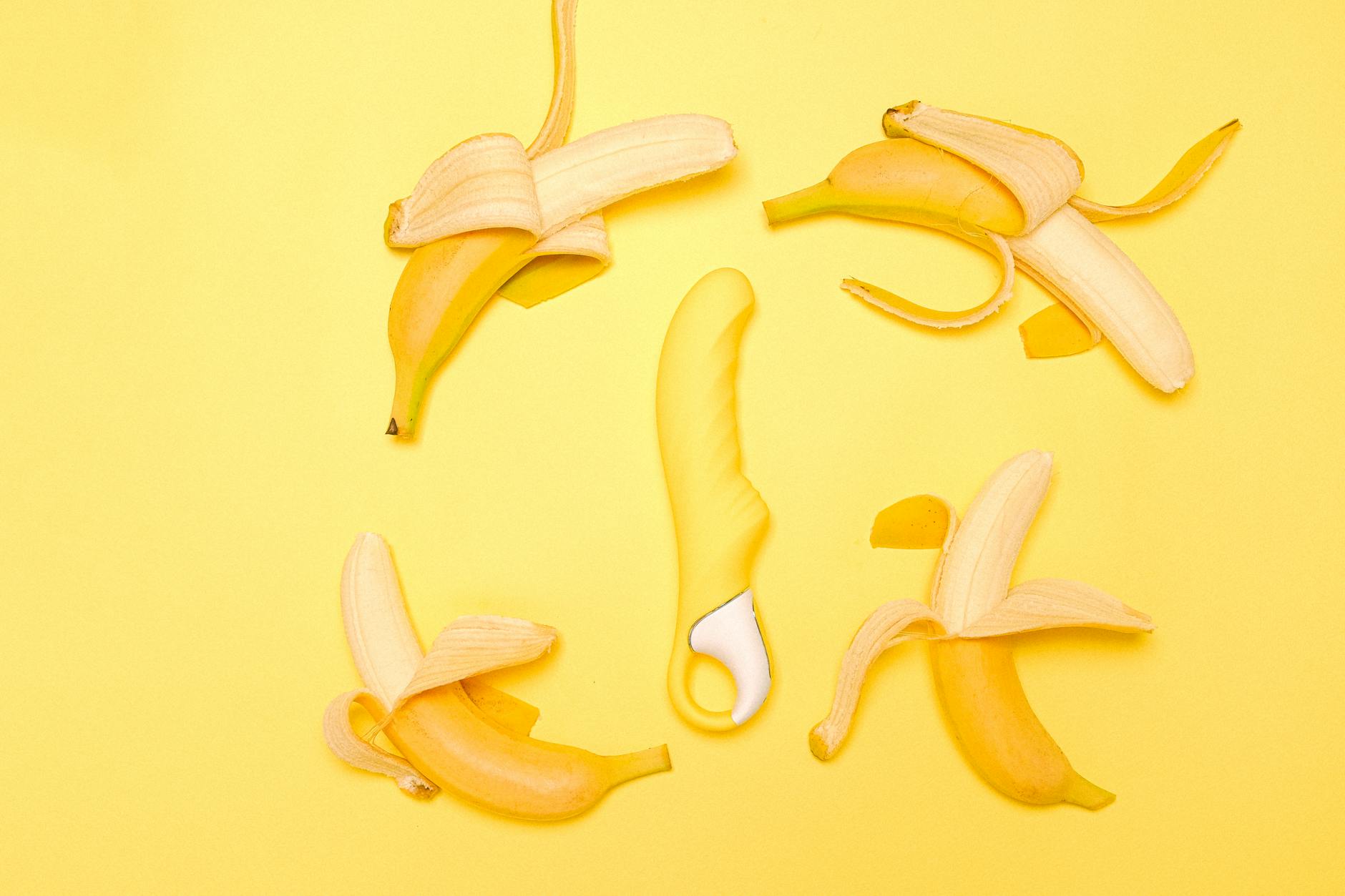
Here's the thing about mismatched desire
Sex drive mismatch is probably the second most common relationship complaint I hear, right after "we don't talk anymore." And here's what makes it so painful: it feels personal. When your partner wants sex less than you do, it's easy to spiral into "they don't find me attractive." When they want it more, the pressure feels suffocating. Both narratives are usually wrong, but that doesn't make the friction any less real.
The good news is that a lemon vibrator, or any clitoral vibrator, can help you rewire the dynamic entirely. Not by making the mismatch disappear, but by giving you something more valuable: independence from it.
Why desire mismatches happen in the first place
Desire isn't a fixed thing. It fluctuates based on stress, hormones, relationship satisfaction, body image, medication, health, sleep, work, and about a hundred other variables. Two people are almost never on exactly the same cycle.
The problem compounds when one partner's lower desire becomes a source of pressure or shame. The lower-desire partner starts avoiding physical affection (a hug might get interpreted as the opening act for sex). The higher-desire partner feels rejected and becomes more demanding. Everything contracts.
This is where solo pleasure comes in. Using a lemon clitoral vibrator on your own, or with your partner present but uninvolved, serves three specific purposes: it removes the performance pressure, it gives you agency over your own satisfaction, and it proves to both of you that pleasure doesn't require perfect synchrony.
The difference between solo pleasure and partnered sex
Let me be clear about what I'm proposing here. Solo pleasure with a lemon sucker or lemon vibrator is not a replacement for partnered intimacy. It's a parallel track.
When you're using a clitoral vibrator alone, you're not navigating someone else's timeline, comfort, or ego. You're not performing. You're not managing their experience or waiting for them to finish. You can take forty-five minutes or five. You can stop and start. You can use your favorite lemon adult toy, explore different patterns, and zero in on exactly what feels good right now.
That freedom changes everything. When sex is no longer the only outlet for your desire, the pressure on partnered sex drops dramatically. And when the pressure drops, paradoxically, desire often returns.
How to start the conversation with your partner
This is delicate, so let's do it right.
Don't frame it as "I'm going to use a vibrator because you're not satisfying me." That lands as an accusation. Do frame it as "I want to be more in touch with my own pleasure, separate from us. That will actually help me feel better in our relationship." Both statements describe the same action, but one builds resentment and one builds possibility.
If your partner has lower desire, they may feel relieved. You've just removed the pressure to have sex on someone else's schedule. If they have higher desire, they may feel rejected at first. That's worth naming directly: "This isn't about whether I'm attracted to you. This is about me taking responsibility for my own satisfaction instead of making it your job."
Then actually follow through. Don't use solo pleasure as a way to avoid partnered sex. Use it as a way to reclaim your body, and you'll be surprised how much more generous you become with your partner.
Getting started with a lemon clitoral vibrator solo
If you're new to using a clitoral vibrator, the pressure is lower when you're alone. There's no one to impress, no timeline, no checking whether you're enjoying it "correctly."
Start with a lower intensity setting. Most lemon sexual toys have multiple patterns and speeds. Begin at pattern one or two. Many people expect they need maximum intensity right away. You usually don't. The vibration is already far more consistent than hand stimulation, so it takes less to feel good.
Use lube. Even if you don't think you need it, use it anyway. Water-based works with any toy. It makes everything feel richer and lets you explore longer without any discomfort.
Take your time. Arousal doesn't happen on a schedule. Spend fifteen to twenty minutes just learning what patterns feel good. You're gathering information about yourself, not racing to a finish line.
Stop whenever you want. You can use a vibrator for five minutes, feel good about it, and close your eyes. You don't have to chase an orgasm. The pleasure is the point.
What changes in partnered sex after you've had solo practice
Three things tend to shift, and I see this pattern over and over in my practice.
First, you communicate differently. Once you know what your body likes, you can actually tell your partner. "I like when you touch me like this" becomes possible because you have a reference point. That's more specific feedback than "do something that feels good."
Second, you stop resenting them for not being psychic. Your partner can't know your preferred rhythm or pressure or touch if you've never explored it yourself. When you take that on, you're no longer waiting for them to magically figure you out.
Third, sex feels less urgent. When solo pleasure is available, partnered sex stops being the only way to get sexual satisfaction. That changes the entire tenor of the interaction. It becomes something you both actually want to show up for, rather than something one person is desperately hoping will happen.
When the mismatch runs deeper
If the desire gap is so wide that one partner wants sex multiple times a week and the other wants it once every few months, a lemon vibrator is still helpful for both people, but it's not a substitute for real conversation.
That conversation might need a therapist. It might need a medical evaluation. It might need a hard look at whether the relationship is meeting both people's fundamental needs.
But you can't have that conversation productively if you're both operating from a place of rejection and inadequacy. Solo pleasure, separate from any pressure to perform or please, gives both of you breathing room. Then you can actually talk.
The role of the higher-desire partner
If you're the one with higher desire, here's what helps: when your partner is using a vibrator solo, don't use it as an opportunity to try to join in or escalate. Let them have their own pleasure. Be present, but undemanding.
This is also the moment to get your own solo pleasure situation sorted. The gap closes faster when both partners have independent sources of sexual satisfaction. You're no longer locked in a dynamic where one person's need always outweighs the other's.
The emotional piece nobody talks about
Desire mismatch often happens alongside emotional disconnection. You're not touching each other as much, so you feel more distant. You feel more distant, so the idea of sex feels weird. Everything locks up.
A lemon clitoral vibrator can't fix emotional distance. But it can interrupt the pattern long enough for you both to remember that pleasure is available to you. And sometimes that little interruption is enough to crack open a conversation about what's actually missing.
A realistic timeline for change
You're not going to use a lemon sucker once and suddenly feel passionately about your partner again. Real shift takes about six to eight weeks of consistent solo practice, plus genuine conversation about what's happening in the relationship. That's not very long in relationship terms.
In that time, both of you will probably feel a little less frantic. The lower-desire partner stops feeling hunted. The higher-desire partner stops feeling desperate. Everything softens a bit.
Then you can actually have sex because you both want to, not because someone's desperate and someone's obliging.
FAQ
Can using a vibrator alone make my partner feel replaced?
It can, if you frame it that way or hide it entirely. Be honest. "I'm exploring my own pleasure solo, and I think it will actually help us" is vulnerable and true. Partners often feel relieved when they hear this, because it means they're not solely responsible for your sexual satisfaction.
What if my partner feels hurt or rejected by this?
That's worth exploring together. Often what sounds like "you're replacing me" is actually "I'm worried you don't want me." Those are different problems that need different solutions. That's where a couples therapist comes in handy, especially someone trained in Gottman Method work.
Is it weird to use a lemon vibrator when my partner knows about it?
Not at all. Many couples find it actually strengthens their intimacy to know they're both taking care of their own pleasure. It removes the pressure from sex and makes it more mutual.
How often should I use a vibrator solo if my partner wants sex less than I do?
Whatever feels good. Three times a week, once a week, twice a month. There's no rule. The point is having an outlet that's independent of your partner's willingness.
Does solo pleasure reduce my desire for partnered sex?
Usually the opposite. When you're not sexually frustrated, you're actually more interested in your partner. You show up calmer, more grounded, less desperate.
What if my partner wants to use the vibrator with me?
That's lovely, and it can absolutely be part of partnered sex. But protecting some solo time for yourself is also important. Both can be true.
The bottom line
Desire mismatch doesn't mean your relationship is broken. It means you're human. What matters is whether you handle it with honesty or whether you let resentment grow silently.
A lemon clitoral vibrator gives you a tool for the first option. It lets you take control of your own pleasure, which paradoxically makes you less controlling about your partner's. It proves to both of you that sex doesn't have to be synchronized to be valuable. And it gives you the breathing room to actually talk about what's happening underneath the mismatch.
Your pleasure matters. Your satisfaction deserves attention. And sometimes the best thing you can do for your relationship is to stop making it someone else's job to provide that for you.