Let's name what's actually happening
You're not broken. You don't have a libido problem. What you have is a permission problem. And between you and me, that's the most fixable thing there is.
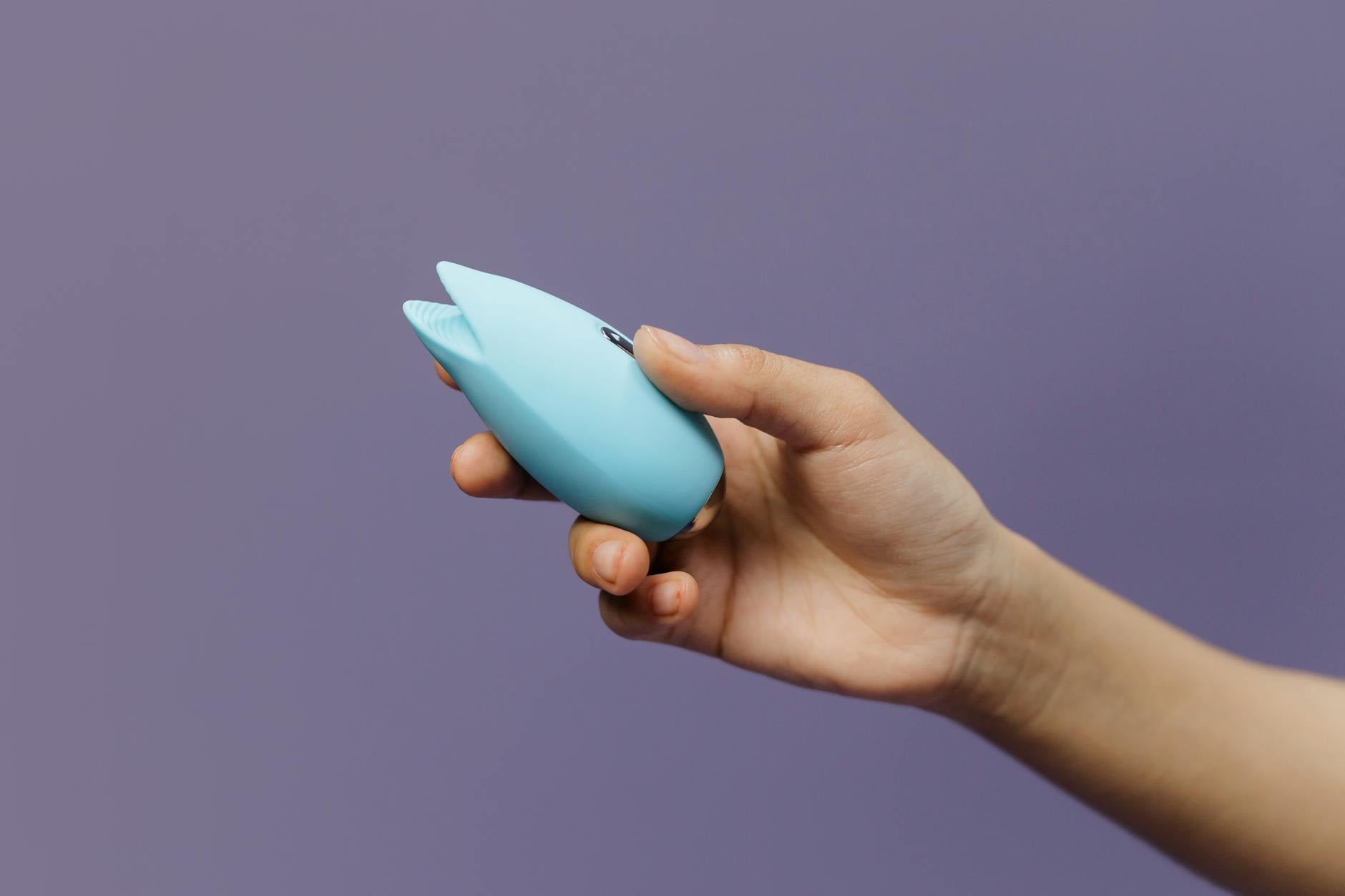
Shame around pleasure doesn't arrive as instinct. It arrives as inheritance. It comes wrapped in things people said when you were learning your body, things religion or family taught you about what your body was for, messages that collapsed pleasure and worthiness into one verdict that either affirmed you or made you feel like you were doing something wrong. The job of a lemon vibrator, in this context, is not just physical. It's permission technology.
Where the guilt actually comes from
Here's what I see in my practice most often: the shame isn't really about the act itself. It's about three older stories.
Story one: you're being selfish. Self-pleasure means taking time, attention, and pleasure for yourself without immediate exchange or performance. For people raised to be caregivers, that feels like theft. Your nervous system learned early that your needs came last, and pleasure that isn't about someone else feels like you're breaking an unspoken rule.
Story two: your body isn't quite yours. This one shows up especially for people assigned female at birth. Your body was never fully private. It was discussed by doctors, commented on by strangers, its functions managed by other people's opinions. Self-pleasure means reclaiming something that doesn't feel like it ever belonged to you in the first place.
Story three: pleasure is dangerous. Depending on your background, you may have learned that pleasure leads somewhere bad. Sex leads to punishment, abandonment, or loss of respectability. Pleasure outside of a relationship is especially risky. The body learns to suppress arousal as a safety measure.
None of these are your fault. All of them respond to practice.
Why a lemon clitoral vibrator changes this particular conversation
A lemon vibrator works here because it does three things shame doesn't expect.
First, it separates pleasure from performance. When you use a lemon vibrator alone, nobody is watching. There's no audience, no approval needed, no way to fail. The experience is purely about what your body wants, not what it's supposed to do. That sounds simple. For people with shame, it's revolutionary.
Second, it introduces novelty and intentionality. When pleasure has been associated with guilt for years, your nervous system has connected that feeling to your own touch. A clitoral vibrator like the Lem does something different enough that your brain doesn't immediately fire up the shame response. It's not cheating. It's a pathway around the block.
Third, it's direct without being intimate in the way you might fear. Some people with deep shame can't start with their own hands because that feels too self-directed, too deliberate. A device feels less like making a choice and more like exploring. That small shift in framing makes all the difference.
How to actually begin
Start somewhere private where you genuinely won't be interrupted. Not your bedroom at 10 p.m. with a partner asleep next to you. Not during lunch break at your desk. Find 20 minutes on a day when you're alone in your home and the door locks.
Don't pressure yourself toward arousal. That's the guilt trap again. Instead, sit down and notice what happens in your body when you turn the lemon vibrator on at the lowest setting, just exploring the sensation on your inner wrist or collarbone first. Not your genitals yet. Just touch.
Here's what usually happens: your brain will start listing reasons this is wrong. You're wasting time. This is selfish. You should be doing something productive. You don't deserve this. Write those down. Literally. They're just thoughts. They're not truth. They're your nervous system protecting you from something it thinks is dangerous.
When the urge to stop gets loud, drop the setting lower, not higher. Slow down. Breathe out longer than you breathe in, which signals to your nervous system that you're safe. If arousal builds, great. If it doesn't, that's also fine. The point right now isn't the orgasm. The point is proving to your body that pleasure doesn't lead to punishment.
The pattern that actually rewires shame
Do this three to four times before you expect arousal to follow. Each time, spend 10 minutes on sensation that's not goal-driven. No pressure to get anywhere. Your nervous system is learning that this is safe, that it won't end in catastrophe, that you can take pleasure without paying a price.
Around the third or fourth time, you'll notice something shifts. Arousal might start building more easily. That's your nervous system recalibrating. You're not being selfish. You're being human.
If guilt returns mid-session, pause. Breathe. Remind yourself that your pleasure is not a debt you'll repay with punishment. Your body deserves attention. Full stop.
When you're ready to build sensation with a lemon vibrator, experiment with pressure and pattern. Some people with shame-based shutdown respond better to gentler suction, which feels less like forceful stimulation and more like nurturing touch. The Lem's air-suction design works especially well here because it's fundamentally different from the penetrative or aggressive vibration that might have been associated with assault or unwanted touch.
What happens when guilt fights back
There will be sessions where your brain doesn't quit the shame spiral. You might feel your pulse accelerate, your breathing shallow, your sense of danger spike. That's not failure. That's your nervous system doing exactly what it was trained to do. Pause the device. Don't force through it.
On those nights, it helps to do something grounding first. Hold ice. Name five things you can see in the room. Splash cold water on your face. Your nervous system needs evidence that the situation is safe before it'll let pleasure happen.
If the guilt is paired with intrusive thoughts, trauma memories, or panic, you're not dealing with shame about pleasure anymore. You're dealing with something deeper that deserves proper support from a trauma-informed therapist. That's not a failure either. That's good judgment.
The reframing that actually sticks
Self-pleasure with a lemon vibrator isn't selfish. It's maintenance. It's you saying to your nervous system, "This body matters. This person matters. Pleasure is allowed here." It's a small rebellion against every system that taught you otherwise.
When you take time to explore your own pleasure with intention, you're also doing something unexpected: you're becoming a better partner. You're learning what you actually want instead of accepting what you think you should want. You're teaching your body that pleasure is possible. You're practicing saying yes to yourself, which is the hardest yes most of us ever learn.
Shame dissolves in the presence of repetition and safety. Each time you use a clitoral vibrator without punishment following, your nervous system updates its threat assessment. Pleasure becomes safer. Your body becomes more yours.
That's the real work.
Frequently asked questions
Why does guilt still show up even when I'm alone?
Guilt about pleasure is often about internalized voices, not actual judgment from others. You've carried those messages into your own mind. Your brain learned to police your pleasure before anyone else could. When you're alone with a lemon vibrator, you're alone with those internalized voices, which can feel as loud as actual criticism. The antidote is repetition without consequence. Each time you pleasure yourself safely, you're slowly replacing that inner critic with evidence that you're okay.
Is it normal to feel angry when I try to use a vibrator?
Anger often shows up when your nervous system is protecting you from shame. It's a defense. If you feel rage building when you try to explore pleasure, pause and notice what the anger is guarding. Sometimes it's anger at yourself for "wasting" time. Sometimes it's anger at the systems that taught you to reject your own body. Some people find it helpful to name that anger out loud: "I'm angry at the message that my pleasure doesn't matter." That separation can help you move through it instead of being controlled by it.
Can a lemon clitoral vibrator actually help with long-term shame, or is it temporary?
A lemon vibrator isn't therapy. It's a tool that helps you practice a new neurological pattern. What rewires shame long-term is the pattern itself: repeated, safe, consensual pleasure without punishment. A device can anchor that practice in a way that's harder to achieve with your own touch, which carries more of the original learned shame. Over months, your nervous system updates. You might still feel twinges of guilt, but they're background noise instead of the main signal.
What if I can't get aroused even with a vibrator?
Guilt doesn't just block pleasure. It blocks arousal itself, which is your nervous system's way of saying "danger." If you're not feeling arousal after several sessions with a lemon vibrator, you might be in a state of shame-based shutdown that needs external support. A sex therapist or somatic practitioner trained in trauma can help you access the deeper protective mechanism that's blocking you. A vibrator can't override that. Only safety can.
How do I know when I've actually healed the shame?
You'll notice you can take pleasure without negotiating with guilt afterward. You won't have to convince yourself you deserve it. You can talk about self-pleasure with less secrecy and more matter-of-factness. Your body's responses feel like they belong to you instead of like you're doing something forbidden. It's not that guilt never appears, but it's no longer the dominant voice. You're allowed to exist here.
Should I use a lemon vibrator alone or with a partner?
Start alone. Absolutely alone. Your nervous system needs to learn in the safest possible context that pleasure is okay. Once you've built that internal permission structure, partnered pleasure becomes different. You're not trying to prove anything. You're just sharing something that already feels safe. Some people find that a lemon vibrator in a partnered context actually deepens the work, because your partner can witness your pleasure without shame, which eventually becomes a form of reassurance. But the foundation has to be private first.