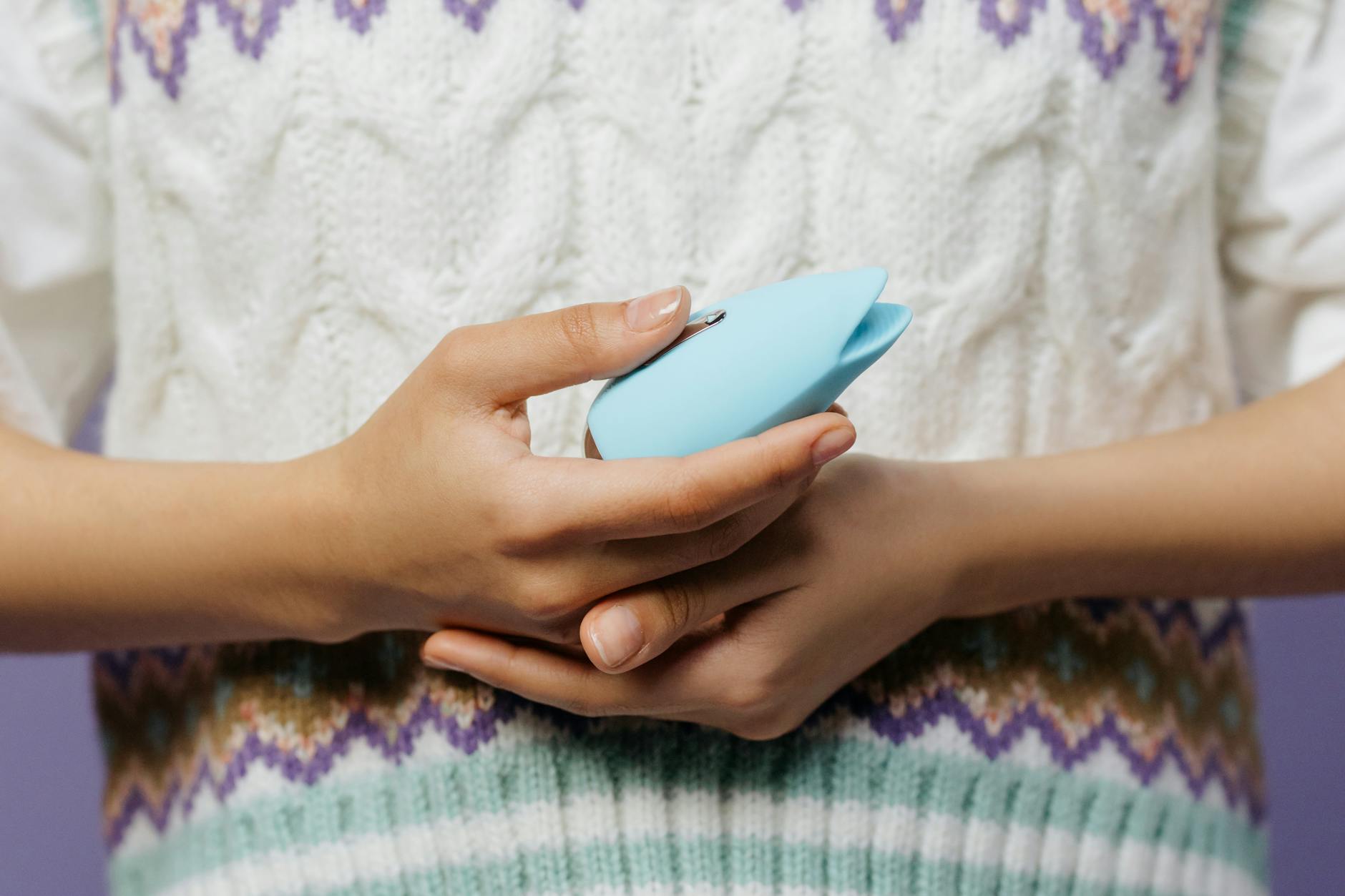
Let's name the real problem first
Your partner doesn't want you to use a lemon vibrator or any other toy during sex. Or maybe they're okay with it solo, but the moment you want to introduce one together, the shutters come down. The conversation stalls. Nothing gets resolved. You're left managing their discomfort while your own needs get quieter.
Here's what I've learned working with couples on this: the resistance usually isn't about the toy. It's about what the toy means to them, and most of the time, they haven't articulated that meaning clearly, even to themselves.
Why partners resist toys (the real reasons)
I see this resistance pattern again and again, and it almost never comes from the place people say it does.
Some partners claim "I should be enough" or "You don't need it if we're doing this right." That framing wraps their insecurity in logic. What they're actually saying is: a toy makes me feel like I'm failing. Not because you're failing, but because they've learned that their sexual worth is measured by their ability to generate your orgasm single-handedly.
Others worry toys will change your body's response permanently, make you less sensitive to them, or push them into a secondary role in your pleasure. That fear comes from a real place of wanting to matter, even if the fear itself is based on misconception.
Some grew up with deep shame around sex tools. Toys were framed as a last resort, a sign something was wrong. That messaging doesn't vanish when you become an adult.
And then there's the version where your partner is grieving the sex life you used to have, the one that felt effortless or spontaneous, and a toy feels like an admission that something broke. It's not really about the lemon clitoral vibrator. It's about loss.
The conversation you actually need to have
Most people approach this wrong. They lead with the toy: "I want to try a vibrator." That puts your partner immediately in defense mode. Their brain hears "something is missing from what you give me."
Instead, start with desire. Not the toy. Your desire for pleasure. Your desire for your own orgasm to matter as much as theirs does. Your desire to feel good in your own body.
"I've realized I need more stimulation than I'm getting, and that's not a reflection on you. It's a reflection on my body and what it actually needs. I want to explore that, and I want you to feel okay about it." That's the conversation.
Then, separately, you can say: "One way I want to explore that is with a tool. Like a lemon vibrator. Would you be open to talking about that?"
The first half is non-negotiable. Your pleasure is not contingent on your partner's comfort. But the second half invites them into the problem-solving rather than making them the obstacle.
What you can do solo, without negotiation
Here's what I tell every person in this position: you do not need your partner's permission to explore your own body or use a lem vibrator on yourself.
If your partner doesn't want toys during partnered sex, that's a conversation worth having. But if they're saying you can't use one ever, under any circumstance, that's a boundary issue that goes beyond toys. That's about control.
Solo pleasure is yours. A lemon sucker or any clitoral vibrator is as much your tool as a shower is your tool. You can use one in private without announcing it, without permission, without guilt.
If you feel guilty, that's worth examining. Guilt about your own pleasure usually came from somewhere. Often it came from a partner, or from earlier messages about what "good" people want. Neither of those sources has authority over your body.
Use a lemon vibrator. Learn what patterns your body responds to. Build that knowledge. That knowledge makes you a better lover and a better person in your own skin.
If your partner wants to be involved eventually
Once you've had the first conversation and some time has passed, there's a path forward if your partner is willing.
Start by taking the pressure off partnered use. Invite them to watch you use a lemon clitoral vibrator on yourself. Not as foreplay. Just as something you do, and they happen to be present. No performance. No expectation of arousal on their part.
This shifts the dynamic completely. They're not the one being "replaced." They're witnessing your pleasure. That's a profoundly different thing.
If they're uncomfortable, that's information. Ask them: what specifically feels hard about this? Let them name it. Often, once it's named, it becomes workable.
Some partners relax after watching a few times. They realize you're not leaving them, that pleasure isn't a finite resource they're losing. Some eventually want to participate. Some never do, and that's information too.
When it's about more than just the toy
Sometimes the resistance to toys is actually the resistance to admitting that something in the sex life isn't working. If your partner is refusing a lemon vibrator but also refusing to talk about what they do want, or if there's ongoing resentment about sex, the toy isn't the problem.
This is where couples therapy or sex therapy can matter. A good therapist can help you both untangle what the toy represents and what you both actually need from each other.
The boundary you need to set
Here's the hardest part, and I'm saying this as someone who's spent decades working with couples: your pleasure is not negotiable.
Your partner's comfort with how you achieve that pleasure is worth considering. It's worth a conversation. But if they're asking you to shrink your needs to soothe their insecurity, that's not a partnership. That's you managing their feelings at the expense of your body.
You can be gentle. You can be patient. You can give them time to adjust. But you cannot disappear yourself.
A lemon vibrator is a small tool. What it represents is bigger. It represents your right to want things, to pursue pleasure, to have a body that matters in your own home with your own partner.
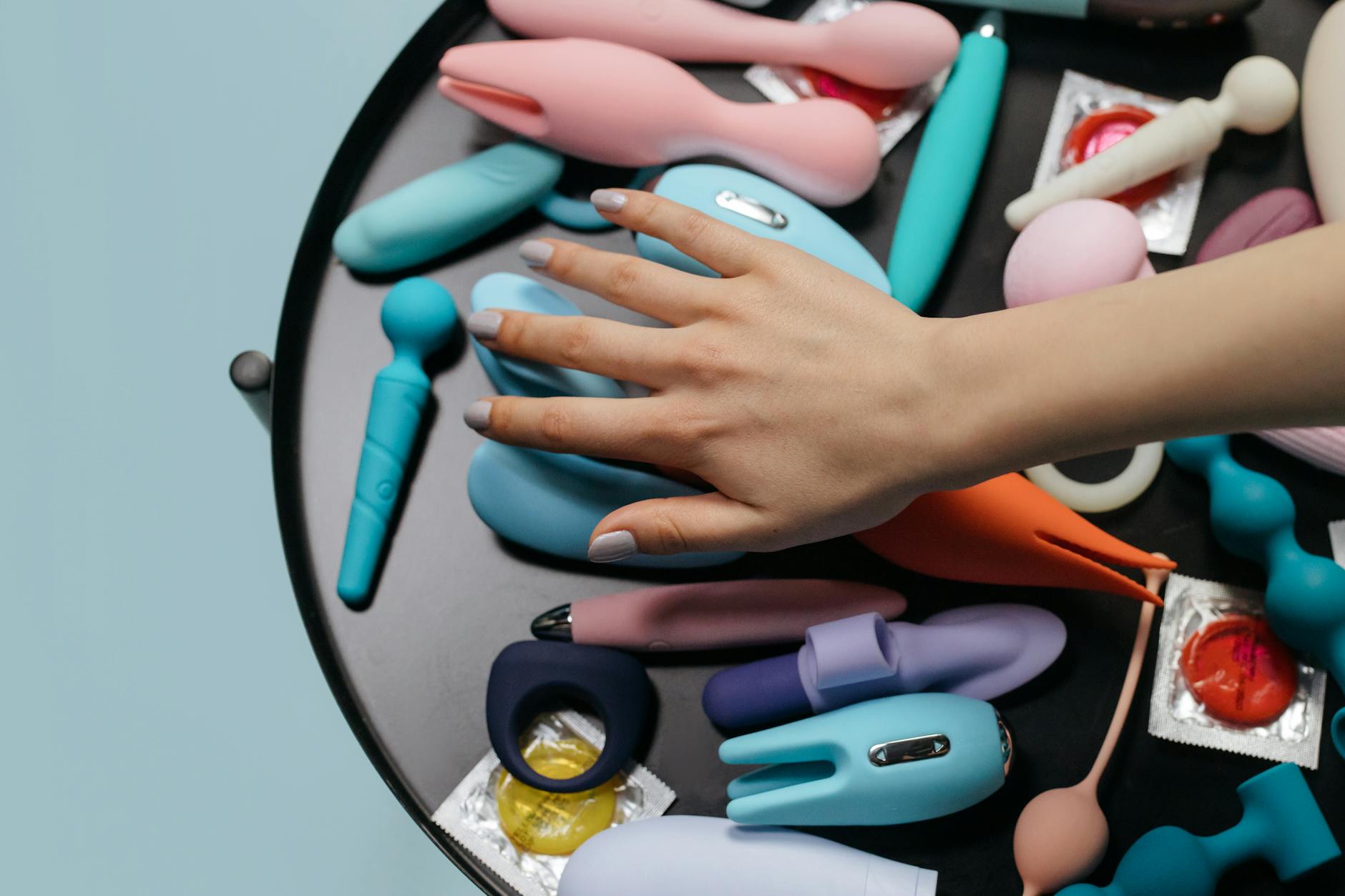
Photo by cottonbro studio on Pexels
What to do if nothing changes
If you've had the conversation, given time, offered compromise, and your partner still refuses to engage, you're at a decision point.
You can use toys solo and keep that private. Many people do this indefinitely and find peace with it. You're not lying; you're just not broadcasting it.
You can use them together despite their discomfort, setting a clear boundary that this is your body and your pleasure. Some couples find their way through that friction.
Or you can name that this is a deeper incompatibility. Not about toys. About how you both approach pleasure, autonomy, and partnership.
None of those choices is wrong. But they're choices you get to make.
The thing nobody says about toys and relationships
A lemon clitoral vibrator doesn't damage relationships. But unspoken resentment does. Shame does. One person's needs being systematically erased does.
If your partner is struggling with your desire for a lem vibrator, that struggle is telling you something about what they believe about sex, about their role, about your role. Those beliefs are worth understanding.
But understanding isn't the same as accepting. You can understand your partner's fear and still use a lemon vibrator. You can be compassionate and still choose your own pleasure.
FAQ
What if my partner says a toy means I don't love them?
Your pleasure and your love for your partner are separate things. You can adore someone and still want vibration. You can be deeply connected and still use a lemon vibrator. Those two things don't compete. If your partner is framing them as mutually exclusive, that's a conversation about their insecurity, not a truth about love.
Can I use a lemon vibrator without my partner knowing?
Technically, yes. Many people do. But if you feel you have to hide it, that's worth asking yourself why. Are you protecting their feelings, or are you managing control? There's a difference. Privacy is healthy. Secrecy usually isn't.
What if my partner agrees to toys but acts hurt afterward?
That's emotional punishment, whether intentional or not. After introducing a lem vibrator, if your partner becomes withdrawn, makes comments, or withholds affection, they're telling you they're using their hurt as a tool. That's a pattern worth addressing in therapy, not a pattern worth managing by going back to silence about your needs.
How long should I wait for my partner to come around?
There's no timeline. But there's a difference between patience and stalling. If it's been months of conversations and nothing shifts, waiting longer usually isn't the answer. More conversation, or professional help, often is.
Is using a lemon clitoral vibrator during masturbation a form of infidelity?
No. Masturbation is not infidelity. It's self-care. Your partner doesn't own your orgasm or your solo pleasure. If they're framing it that way, that's a control dynamic worth examining carefully.
What if I'm worried about damaging my relationship by using a toy?
Using a toy won't damage your relationship. But unspoken resentment, shame, and suppressed needs will. If you're afraid that wanting pleasure will hurt your relationship, that relationship might already be fragile for other reasons. A toy didn't cause that. But the willingness to prioritize your own needs might reveal it.