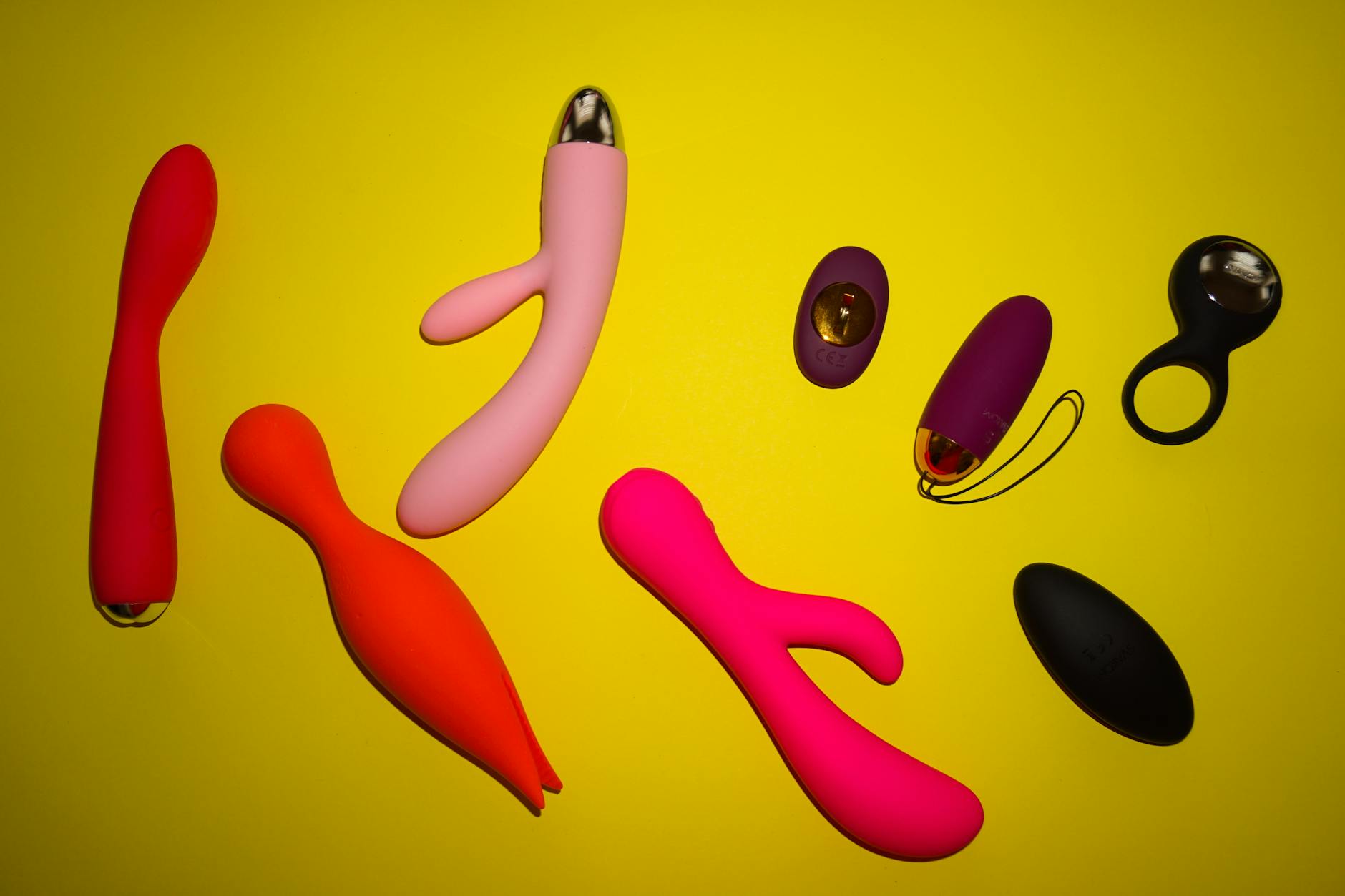
When depression lifts, libido doesn't always follow immediately
Let's be real. Depression doesn't just steal your mood. It steals your body. The motivation to move, to eat, to sleep, to feel pleasure. Some antidepressants make this worse by flattening sexual response. Then, if you're lucky and your treatment works, the fog lifts. But desire doesn't always bounce back on schedule.
You might find yourself in this strange middle space. You're feeling better. You have energy again. You can laugh. But the thought of sex feels... complicated. Your body doesn't respond the way it used to. Arousal feels slow, muted, or absent. You might worry that your sexuality is broken, or that you'll never feel pleasure again.
It's not broken. It's rebuilding.
What depression does to sexual response
Depression works on multiple levels. First, the neurochemistry. Serotonin, dopamine, and norepinephrine all play roles in arousal and orgasm. When depression depletes these, your brain's ability to register pleasure literally weakens. Your genitals might respond to touch, but your brain doesn't register excitement. That disconnect is real and common.
Second, there's the psychological layer. Depression tells you that nothing matters, that you don't deserve pleasure, that your body is wrong. Those messages don't evaporate the moment your medication starts working. They linger in your nervous system. Your body learned, over months or years, that pleasure wasn't safe or possible. Retraining that takes time.
Third, physical deconditioning. If depression kept you sedentary for a long time, your pelvic floor muscles may have weakened. Blood flow patterns change. Genital sensation becomes less responsive. This is temporary, but it needs attention.
The good news: all three layers respond to the same rebuilding work.
Why a lemon vibrator (not a wand, not penetration) is the right tool right now
When libido is returning but fragile, you need precision. A wand vibrator delivers blunt force stimulation. Penetration requires arousal you might not have yet. Both can feel like failure if your body doesn't respond as expected.
A lemon clitoral vibrator is different. Air-suction technology (like the Hello Nency Lemon device) works without direct friction. It stimulates the clitoral nerves through gentle suction, which means you get pleasure signals to your brain even when touch sensitivity is low. You're not waiting for your body to wake up on its own. You're using a tool designed to bypass the friction barrier and reach sensation directly.
For someone rebuilding arousal, this matters. The suction pattern creates a different neural pathway than vibration. It feels novel to your nervous system, which means it doesn't carry the weight of all the times you couldn't orgasm during depression. It's new. It's a fresh start.
The four-week rebuilding protocol
I recommend a gentle, progressive approach over four weeks. You're not trying to "perform" or force orgasm. You're teaching your nervous system that pleasure is available again.
Week one: sensation mapping. Use your lemon vibrator on the lowest suction setting for 5-10 minutes, no goal except noticing what you feel. Not "will I orgasm," just "what does this feel like right now." Many people report that the first week is weird, muted, almost boring. That's normal. You're waking up nerve pathways that have been asleep.
Week two: duration and attention. Increase to 15-20 minutes. Notice where sensation is strongest. Does the tip of the lemon feel best, or the broader base? Some days your body will respond more than others. That's fine. Inconsistency is part of recovery, not a sign of failure.
Week three: adding mental engagement. This is where many people see a shift. Combine the physical stimulation with mental attention. Read erotica. Watch something that appeals to you. Let your imagination engage alongside the sensation. Depression taught you to dissociate from pleasure. You're now teaching yourself to stay present.
Week four: exploring response. By now, you might notice that arousal is building. You might orgasm. You might not. If you do, note what worked. If you don't, that's still data. The goal at this stage is understanding your own arousal landscape again, not hitting a destination.
What to expect when you start
Some people feel sensation immediately. Others take weeks. Both are normal. Your nervous system isn't lazy or broken. It's cautious. Depression taught it that pleasure could hurt. Trust takes time.
You might also feel emotional during or after. That's not failure. Pleasure can bring up grief (for time lost to depression), anger (at the illness), or unexpected release. Cry if you need to. Feel what comes. This isn't just physical recovery. It's emotional too.
If you're on an SSRI antidepressant, you might find that orgasm is still delayed or difficult even as depression lifts. That's a known side effect and worth discussing with your prescriber. There are augmentation strategies and alternative medications. Don't assume delayed orgasm is psychological. It might be pharmacological, and that can be changed.
The role of your partner (if you have one)
If you're in a relationship, communication here is critical. Let your partner know that you're rebuilding. This isn't about them or your attraction to them. Depression affected how your nervous system processes pleasure, and you're rewiring it. Some partners worry that solo exploration means you don't want intimacy with them. It doesn't.
In fact, solo rebuilding often makes partnered sex easier when you're ready. You've relearned your own arousal. You know what sensations work. Then you can bring that knowledge into partnership.
If your partner wants to participate, the lemon clitoral vibrator can be a couple's tool too. Suction sensation feels different from what most people provide manually, so it can add novelty and pleasure to shared time. Just make sure you're using it for yourself first. Don't let it become another way to perform for someone else.
Red flags and when to reach out for support
Rebuildling arousal after depression is a normal process, but sometimes it stalls. If after six to eight weeks you feel no progression at all. If sensation remains completely flat. If depression is creeping back. That's not weakness or failure. That's information. It might mean your medication needs adjustment. It might mean therapy around the trauma of depression. It might mean something else entirely.
Reaching out to a therapist or sex educator isn't giving up. It's getting support. You deserve that. Depression took enough. Don't let shame about sexuality take more.
Reclaiming pleasure is possible
Your body didn't forget how to feel pleasure. It learned, temporarily, that pleasure wasn't available. Now it's available again. A lemon clitoral vibrator, combined with patience and gentle consistency, helps your nervous system register that truth. Some days will feel easy. Some days you'll feel nothing. Both are part of the process.
The goal isn't to return to how you felt before depression. It's to build something new. A version of pleasure that's informed by what you survived, stronger for having healed, and genuinely yours.
People also ask
How long does it typically take for libido to return after depression treatment?
Timelines vary significantly. For some people, desire begins returning within weeks of starting antidepressant medication. For others, it takes two to three months as the brain chemistry stabilizes. Psychologically, the process can be slower. Even after medication works and depression lifts, it can take months to rebuild the confidence and nervous system trust needed for arousal. This isn't linear. You might have good weeks and flat weeks. All of that is normal recovery.
Can using a lemon vibrator make it worse if my libido is still very low?
No. The lemon clitoral vibrator works differently than other devices because suction stimulates nerves without requiring the friction that demands a certain baseline of arousal. Many people with very low libido report that starting with a lemon vibrator is easier than waiting for traditional desire to return first. The key is setting zero expectations. You're not using it to orgasm. You're using it to wake up sensation.
What if I feel emotional or cry while using the lemon vibrator?
That's incredibly common and completely valid. Pleasure can release emotions that depression has locked away. Grief, anger, relief. These feelings need room to move. If you find yourself crying, pause if you want to, or continue depending on what feels right. This isn't a sign you should stop. It's a sign that your nervous system is processing something real. Sit with it afterward. Notice what came up. You might want to journal or talk to someone you trust.
Is it normal if I still can't orgasm even after weeks of using a lemon vibrator?
Yes. Anorgasmia is a documented side effect of many antidepressants, and it can persist even as mood improves. If this is happening, talk to your prescriber. There are medications known to have lower sexual side effects, and there are augmentation strategies that can help. Some people find that a small dose adjustment or changing to a different class of antidepressant makes a difference. Don't accept permanent anorgasmia without exploring options with your doctor.
Can I use the lemon vibrator with a partner if I'm still rebuilding arousal?
Absolutely, but prioritize your solo exploration first. Knowing your own arousal landscape makes partnered experience better. Once you've spent a few weeks rebuilding alone, you might invite your partner to explore together. The lemon vibrator's sensation is unique enough that it can feel exciting even when traditional partnered sex feels difficult or pressure-filled. Keep communication open about the fact that you're still in recovery, and keep the focus on pleasure rather than performance.
What if depression returns? Will I lose the progress I've made with arousal?
If depression returns, sexual response often flattens again. That's frustrating, but it's temporary. You've now proven to yourself that arousal can rebuild. You know the process. If you end up needing to start again, you'll move through it faster because you have the map. The most important thing is addressing the depression itself quickly, with your healthcare provider, rather than fixating on the sexual side effects. Get the treatment right. The pleasure will follow.
Moving forward
Recovery from depression is multidimensional. Pleasure is one dimension. It matters because sexual wellness is part of feeling fully alive and present in your body. It also matters because you deserve to experience joy without shame or expectation. Using a lemon clitoral vibrator during this rebuilding phase isn't about forcing results. It's about creating the conditions for sensation and pleasure to return naturally, on your body's timeline, in a way that feels genuinely good to you. If you have questions or want additional guidance on your wellness journey, consider reaching out to a therapist or sex educator. You don't have to rebuild alone.