The disconnect is more common than you think
Let's be real. You and your partner used to have sex. Maybe it was regular, maybe it was passionate, maybe it was both. Now it's been weeks or months, and the space between your bodies has become a thing you don't quite know how to cross. And here's the part nobody talks about: that disconnection from your partner often turns into disconnection from your own body too.
You stop thinking about what feels good. You stop noticing arousal cues. Your body gets quiet. And then sex becomes less about pleasure and more about a task you're not sure you want to complete. That's the trap. And it's fixable, but not always by fixing the relationship first.
Sometimes, you have to fix yourself first.
Why solo play isn't selfish, it's rebuilding
Here's what I see in my practice: couples reconnect better when one partner has already done the groundwork alone. That groundwork is learning what your body actually wants, untethered from your partner's timeline, preferences, or performance anxiety.
When you're exploring solo, you're not managing someone else's pleasure or expectations. You're not watching the clock. You're not wondering if you're taking too long or if your body is "cooperating" the way it should. That freedom is radical. And it's where actual arousal lives.
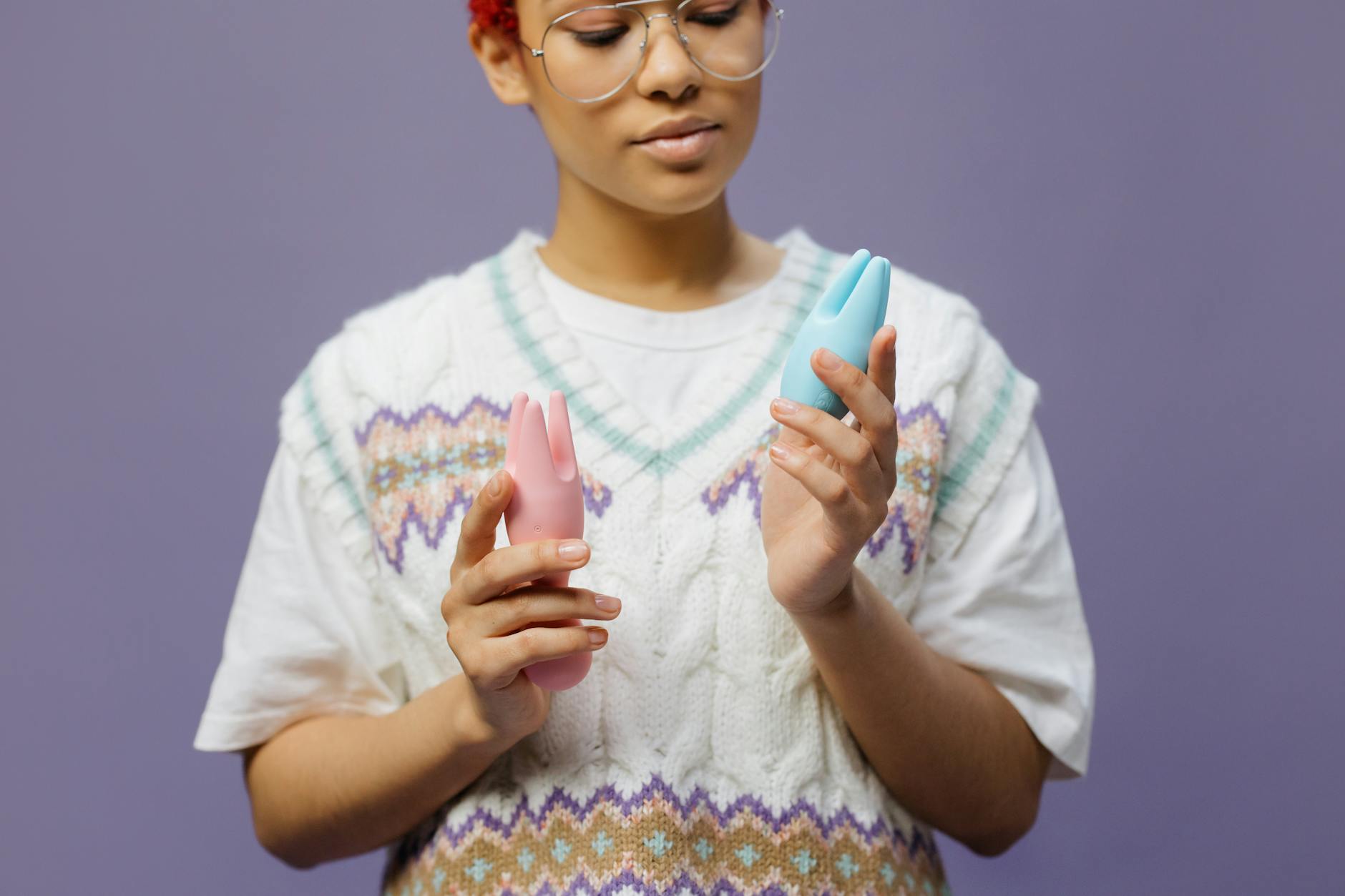
A lemon clitoral vibrator like the Lem is particularly useful for this because the suction mechanism works differently than traditional vibration. It stimulates without requiring you to build into it slowly. For people whose arousal has flatlined, that accessible entry point matters. You don't have to warm up for twenty minutes to feel something.
Setting up the solo space
First, treat solo time like you'd treat time with a partner. That means:
Give yourself real time. Not five minutes between checking emails. Block out 20 to 30 minutes when you won't be interrupted. Lock the door. Put your phone in another room if you need to.
Make comfort a priority. A comfortable bed or couch, good lighting (dim but not dark, so you can see your body), and something to drink nearby. Seriously. Dehydration kills arousal faster than almost anything.
Choose a lemon vibrator setting that matches your current bandwidth. If you haven't had pleasurable sensations in a while, start with a lower intensity setting on the Lem. The device has multiple patterns and intensities because different bodies and different mental states need different entry points. You're not failing if you start at level 2 instead of level 5.
Using the lemon sucker for solo reconnection
Here's how solo play actually rebuilds your relationship with pleasure.
Start without the device. Spend five minutes just touching yourself. Not in a goal-oriented way, but in a curious way. What parts of your body feel good when you touch them? What kind of pressure, temperature, speed? Most people skip this step because they think they should know the answer already. You might. You might not. Either way, rediscovering it matters.
When you pick up the Lem or another lemon clitoral vibrator, start with the gentlest setting. The suction pattern feels different than a wand vibrator because it's creating a seal and pulse, not a jittery vibration. That difference is actually advantageous here. It feels almost like a partner is using their mouth, which can trigger different neural pathways than traditional vibration if that's been your history.
Move slowly. The clitoris is sensitive, and when you haven't used one in a while, sensitivity can mean it gets overwhelmed quickly. Move the device slightly, change angles, experiment with where the suction feels best. The external part of the clitoris is bigger than people think, and different sections respond to different stimulation.
Don't chase the orgasm. I'm serious. The goal right now isn't to come. The goal is to feel something. Arousal, interest, warmth, tingling. If an orgasm happens, that's a bonus. If it doesn't, you've still succeeded because you've reminded your body that pleasure is possible.
Managing the mental resistance
Most people who've experienced sexual disconnection from a partner will hit a wall during solo play. It's usually guilt, or it's distraction, or it's the thought pattern of "what am I doing this for if they don't want me anyway."
That's the voice of the disconnection talking. It's not the truth.
What you're doing is gathering evidence that you still exist as a sexual being. That your body still wants things. That pleasure is possible. And all of that is true independent of what's happening in your partnership.
If intrusive thoughts keep interrupting, try focusing on the physical sensations. Where is the lemon vibrator touching you? What does the sensation feel like? What's the temperature of your skin? What sounds are you making? Ground yourself in your body instead of in your head.
If you find yourself cycling through relationship anxiety, that's also information. You might benefit from partnered conversation or even therapy before you're ready for shared sexual reconnection. That's not a failure. That's wisdom.
Using solo sessions to understand what you want to communicate
Once you've had a few solo sessions and you're reconnecting with your own arousal, pay attention to what you learn.
Do you prefer gentler stimulation or more intense? Do you like sustained pressure or pattern variation? Do you come from direct clitoral stimulation or do you need broader pressure? Do you prefer it faster or slower?
These aren't abstract questions. These are the actual answers your partner needs to help you reconnect. And you can't answer them if you haven't explored alone.
When you and your partner are ready to talk about sexual reconnection, you'll be able to say things like "I found that I really respond to this kind of pressure" or "I need more buildup time than I used to." That specificity transforms the conversation from vague and guilty to practical and solvable.
Bridging from solo back to partnered
Once solo play feels good and regular, the next step is showing your partner what you've learned. That might mean inviting them to watch. It might mean using the Lem together while they touch other parts of your body. It might mean showing them the patterns and intensities that work and asking them to recreate that with their hands or mouth.
The lemon vibrator becomes a bridge instead of a replacement. It's a language both of you can understand.
If your partner is resistant to that conversation, that's different information. That might point to a deeper incompatibility or it might point to their own shame or performance anxiety. Either way, a therapist who specializes in sexual dynamics can help. I recommend exploring solo first before going that route, because it's hard to have a productive therapy conversation when you're not sure what you actually want.
When to know you need more support
Solo exploration helps most people rebuild basic arousal and pleasure. If you've been consistent with it for a few weeks and nothing shifts, or if you actively feel disgust or shame during solo play, that's a sign you might benefit from talking to someone. Sexual shame runs deep and sometimes it needs professional support to unwind.
Similarly, if the disconnection from your partner goes beyond the sexual and into emotional territory, solo play isn't the solution. It's part of the solution, but not the whole thing. Emotional and physical disconnection usually need to be addressed together.
The quiet strength of knowing yourself first
Here's what I've seen happen over and over: a person reestablishes solo pleasure, learns what their body wants, and then when they finally bring that knowledge back to their partner, something shifts. Not because the partner suddenly changes, but because you show up differently. You have clarity instead of confusion. You have confidence instead of doubt. And partners respond to that.
It doesn't fix everything. But it fixes the part that was within your control. And sometimes that's enough to create the opening for everything else.