When your body's natural lubrication isn't showing up on schedule
Let's be real: lubrication is not a reliable dial you can turn up or down at will. It fluctuates based on hydration, stress, cycle timing, medications, arousal level, and sometimes things your doctor can't quite explain. And when you're using a lemon vibrator or any clitoral vibrator, inconsistent lubrication changes everything about how the device feels against your skin.
The suction-based design of the Lem works beautifully because it doesn't require friction the way traditional vibrators do. But that same design means your skin needs to create a seal, and inconsistent lubrication can affect how effectively that seal forms. The good news: this is completely manageable, and once you understand what's happening, you'll get better sensation from your device, not worse.
Why inconsistent lubrication matters more with clitoral vibrators
Your clitoris has a lot of nerve endings packed into a small area. When lubrication is plentiful, the skin stays supple and responsive. When it's sparse or absent, the same tissue can feel dry, tight, or less sensitive. For clitoral vibrators like the Lem, which work by creating gentle suction stimulation, moisture affects both comfort and sensation intensity.
Here's what's actually happening: a thin layer of moisture allows the device to glide slightly and create that seal without tugging. Without it, you get friction instead of flow. You might notice the vibrator feeling "sticky" or your skin feeling tender afterward. Neither is a sign something's wrong. It's just a signal to adjust your approach.
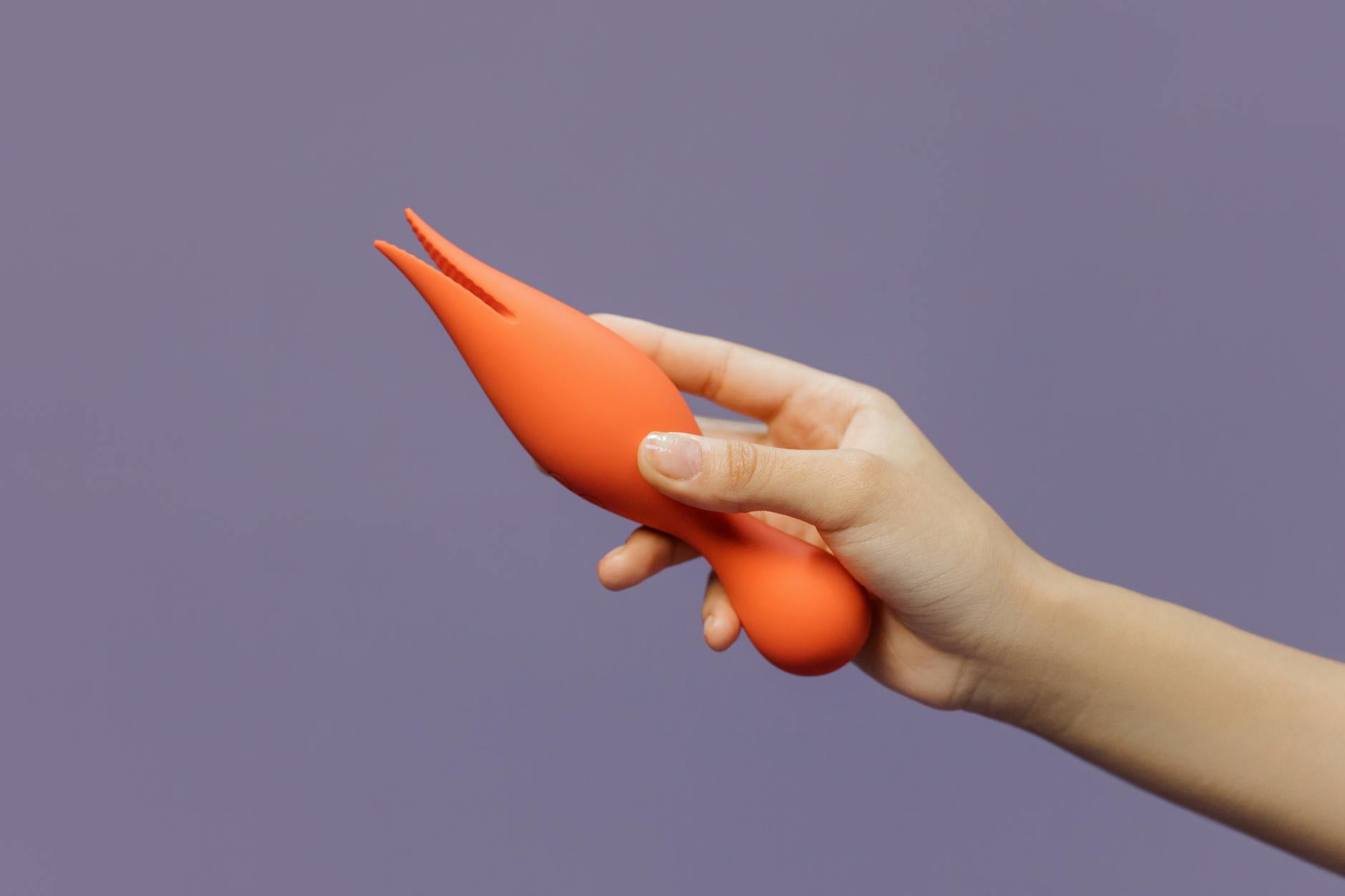
Photo by cottonbro studio on Pexels
The hydration foundation everyone skips
I work with couples navigating midlife transitions, and one of the most overlooked factors in sexual sensation is basic hydration. When your body is dehydrated, lubrication production drops noticeably. This isn't about drinking water five minutes before sex. It's about consistent hydration throughout your day.
Aim for about 2-3 liters daily, maybe more if you're active or live somewhere dry. You'll notice better lubrication consistency within a week of improving your baseline hydration. It sounds simple because it is. But almost nobody does it.
Beyond water, electrolytes help. If you're training hard, managing stress, or dealing with hormonal shifts that increase fluid loss, add a pinch of salt to your water or use a hydration drink. Your tissue quality improves faster than you'd expect.
When to layer with external lubrication
External lube is not a failure. It's a tool. And the right lube transforms the experience when your natural lubrication is inconsistent.
Water-based lubes are your standard choice because they work with silicone toys without degrading the material. Silicone-based lubes last longer but can damage silicone toys. Avoid anything with glycerin if you're prone to yeast infections, and skip petroleum products entirely.
Here's what I recommend to clients: use a small amount of external lube even when you think you don't need it. A dime-sized amount on your finger, applied directly to your clitoris before using your lemon vibrator, prevents the friction and discomfort that comes from inconsistent natural lubrication. The seal forms better, the sensation is more pleasurable, and there's zero chance of irritation.
Reapply if you're going longer than 10-15 minutes. Lube dries out, especially in warmer environments. You don't need much. Consistency matters more than volume.
Timing and cycle awareness
Your lubrication naturally varies across your cycle, assuming you still menstruate. Around ovulation, it tends to be more abundant. In the luteal phase (after ovulation), it often becomes scantier. If you track your cycle or notice patterns, you can plan accordingly.
On low-lubrication days, expect to use external lube. On high-lubrication days, you might not need it at all. This isn't about forcing yourself to have sex on "better" days. It's about removing surprise friction by knowing what to expect.
If you're in perimenopause, menopause, or taking hormonal medications, this pattern might not apply. Lubrication can become consistently lower or wildly unpredictable. That's when external lubrication becomes a permanent fixture, not an occasional tool.
Medications and supplements that affect lubrication
Certain medications dry out your entire system, not just your vaginal tissue. Antihistamines, decongestants, antidepressants, and some blood pressure medications can reduce lubrication production. If you started a new medication and noticed drier days, that's likely the culprit.
Talk to your doctor about alternatives or adjusting your timing. Some medications work better taken at night, which might minimize sexual impact. You don't have to accept dry sex as a permanent side effect.
Some supplements actually help. Hyaluronic acid, omega-3 fatty acids, and vitamin E all support tissue hydration from the inside. They take weeks to show results, but they're worth trying if you're dealing with chronic dryness.
Stress and arousal time
This one catches people off guard. When you're stressed or rushed, your parasympathetic nervous system isn't firing. That means arousal doesn't translate into lubrication the way it normally would. You might be mentally ready for sex but physically dry.
The fix sounds obvious but requires real change: slow down. Budget at least 15-20 minutes of foreplay before using your lemon vibrator. Use that time to build arousal without touching your clitoris directly. Internal foreplay, kissing, breast play, whatever feels good. This activates full-body arousal, which triggers better lubrication.
If you're with a partner, this is a chance to reconnect and build tension. If you're flying solo, spend time on nonsexual pleasure first. Your body will respond better, and inconsistent lubrication becomes less of a barrier.
The pattern of inconsistency itself
Sometimes the real issue isn't occasional dryness. It's that your lubrication is genuinely unpredictable, and you can't identify a pattern. Stress, hormones, health, medications, and random biology all interact in ways that don't always make sense.
When this happens, make external lubrication your baseline assumption. Keep it nearby, use it liberally, and don't overthink it. You're not doing anything wrong. Your body's just operating within a wider range of variation.
Over time, you might notice small patterns emerge: maybe Friday nights are always lower lubrication because of work stress. Maybe post-vacation is higher because you're relaxed. Small observations help, but expecting perfection is futile. Building flexibility into your approach works better than trying to control variables you can't fully manage.
Position and pressure adjustments
When your lemon vibrator isn't gliding smoothly due to inconsistent lubrication, the issue is often pressure and angle. A light touch with good lube creates better sensation than firm pressure without it.
Start at the lowest intensity setting on your device and maintain gentle contact. As your body warms up, you can increase intensity. Many people jump straight to a higher setting and wonder why it doesn't feel good. With variable lubrication, this backfires harder.
If you notice the device sticking or pulling, immediately add more lube and reduce pressure. Your clitoris will thank you, and you'll actually enjoy the experience instead of white-knuckling through it.
When inconsistent lubrication signals something else
If your lubrication suddenly changes drastically or stays consistently low despite hydration, external lube, and stress management, it's worth mentioning to your doctor. Hormonal imbalance, thyroid issues, autoimmune conditions, and other health factors can affect lubrication.
Similarly, if your skin feels consistently irritated, itchy, or painful even with good lubrication and technique, that's not normal. Genitourinary syndrome of menopause, bacterial vaginosis, or other treatable conditions might be at play. Getting the right diagnosis changes everything.
Your pleasure matters. So does your health. Using a clitoral vibrator like a lemon vibrator should enhance sensation, not create friction or discomfort. If you're struggling, get support.
FAQ: Lubrication and lemon vibrators
Why does my lemon vibrator feel different depending on the day?
Your natural lubrication varies based on hydration, cycle timing, arousal level, stress, medications, and overall health. A lemon vibrator's suction-based design is especially responsive to these changes because it relies on skin contact to create a seal. Some days you'll have abundant natural lubrication and won't need extra help. Other days, external lube makes all the difference. Both are completely normal.
Can I use silicone-based lube with my Lem vibrator?
No. Silicone lube can degrade silicone toys over time. Stick to water-based lubricants, which work safely with all silicone clitoral vibrators. Water-based lubes dry out faster, so you may need to reapply, but that's a small trade-off for protecting your device.
How much external lube should I use with a lemon vibrator?
Start with a dime-sized amount applied directly to your clitoris. That's usually enough to create a good seal and prevent friction. If you're going longer than 15 minutes, reapply. More lube isn't always better. Consistency and placement matter more than volume.
Does inconsistent lubrication mean I'm not aroused?
Not necessarily. Lubrication and arousal are connected but separate processes. You can be mentally aroused without abundant lubrication, especially if you're stressed, dehydrated, or taking medications that dry you out. Similarly, physical lubrication can happen without corresponding mental arousal. External lube bridges this gap.
Will using external lube with a lemon vibrator decrease my natural lubrication over time?
No. Using lube doesn't train your body to produce less natural lubrication. You're not replacing one with the other. You're simply supplementing when natural lubrication is inconsistent. Your body's lubrication production is determined by hydration, hormones, arousal, and health, not by outside tools.
What lube brands work best with clitoral vibrators?
Look for water-based lubes without glycerin, parabens, or petroleum. Common reliable options include Sliquid, Uberlube, and Hyalo Gyn. The ingredient list matters more than the brand. Avoid anything scented or flavored, which can irritate sensitive tissue. When in doubt, start with a small sample before committing to a full bottle.
The bottom line
Inconsistent lubrication is one of the most common reasons people think their lemon vibrator isn't working or that their body isn't responding properly. Usually, it's just a mismatch between your device and your natural variation. Hydration, external lubrication, timing, and stress management address almost all of it. You deserve pleasure that feels good, not friction that feels like a chore. Small adjustments make a massive difference.
If you're navigating lubrication challenges alongside other changes—whether hormonal shifts, relationship dynamics, or physical health—that complexity is worth exploring with a therapist or your doctor. Your pleasure isn't trivial. It's worth getting right.