Let's talk about what nobody prepares you for
Postpartum bodies are weird. You're healing, exhausted, touched out, and somehow expected to feel sexy again on the exact timeline your partner hopes for. Here's the truth: desire doesn't evaporate after childbirth. It hibernates. And when it starts waking up, your body might not be ready yet, which creates confusion that feels personal when it's really just biological.
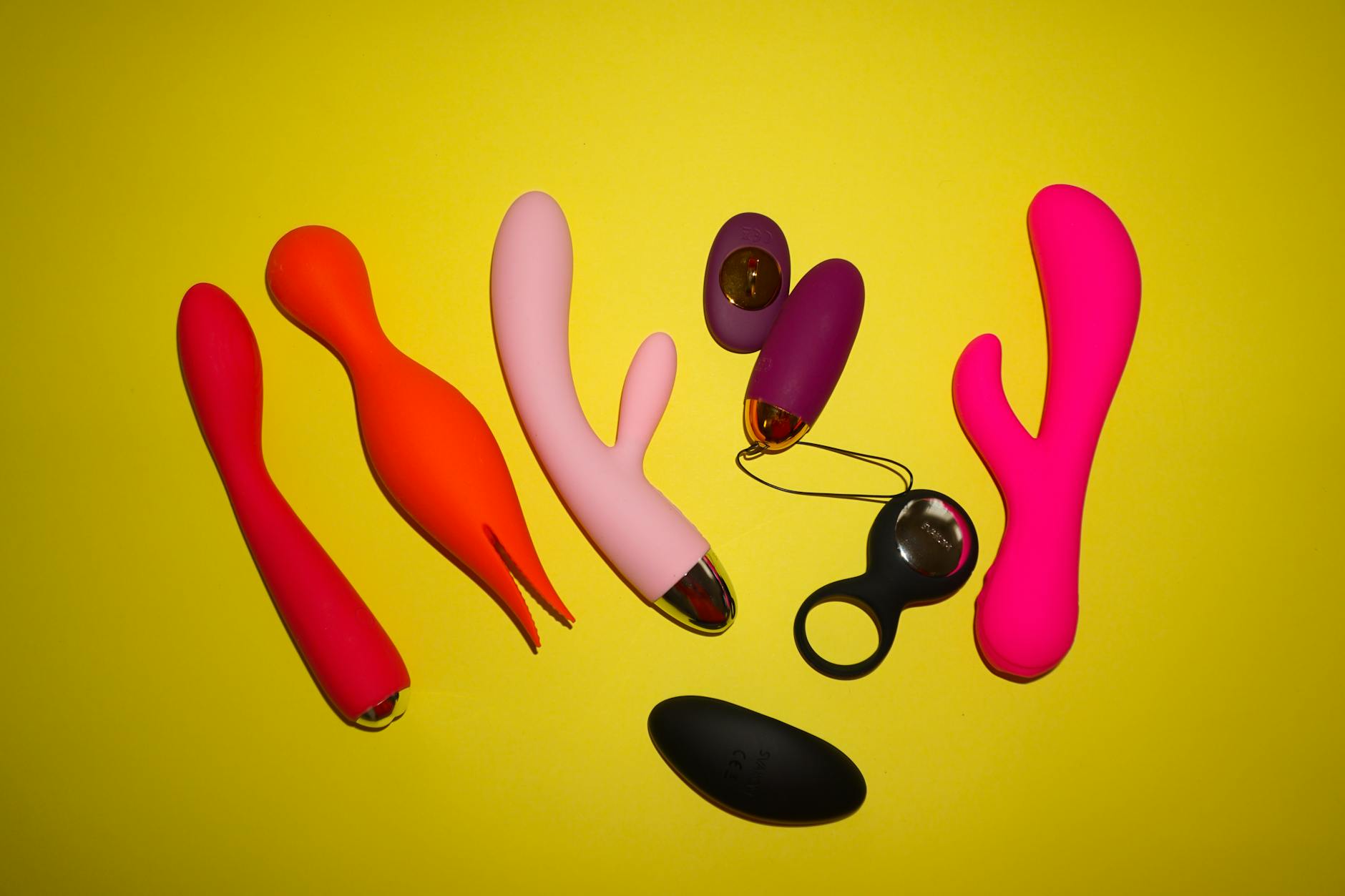
A lemon clitoral vibrator is useful during postpartum recovery not because it forces pleasure back, but because it gives you permission to explore what your body can do right now, without pressure or performance anxiety.
Why postpartum pleasure feels different
Birth changes the pelvic floor completely. Whether you delivered vaginally or via cesarean, your nervous system has been through something massive. Add sleep deprivation, hormonal nosedive (especially if you're breastfeeding), and the weight of constant caregiving, and your body is basically running on fumes.
The clitoris itself doesn't change, which is important. The nerves are fine. The capacity for sensation is there. What changes is the context around it: pain (if you're healing), numbness from exhaustion, anxiety about your body's new shape, and touch deprivation paired with too much touch from a baby.
This contradictory state is completely normal.
When you're actually ready to restart
Most people's doctors clear them for sex at six weeks postpartum. That's not the same as being ready. Ready usually arrives closer to three or four months, sometimes longer if breastfeeding. There's no prize for hitting a deadline.
The shift often comes when three things line up: the bleeding stops, you can go a few hours without thinking about your breasts leaking, and you've had at least one uninterrupted conversation with your partner that wasn't about logistics.
When you notice desire starting to creep back, a lemon vibrator is easier to navigate than partnered sex. There's no performance expectation, no one else's timeline, and the intensity is something you control completely.
Why lemon vibrators work specifically for postpartum recovery
A lemon clitoral vibrator uses suction and pulsing patterns rather than traditional vibration. For postpartum bodies, this matters because it doesn't require direct friction on tissue that's still sensitizing after months of hormonal changes.
The patterns (usually 9-12 different modes) let you start gentle. You're not choosing between "off" and "intense wand vibrator." You can sit with pattern 1 or 2 for as long as your body needs, which for some people is weeks. That slowness is not a problem. It's the point.
Also: the suction approach focuses stimulation without being overwhelming. Postpartum bodies often have reduced sensitivity from hormonal shifts and exhaustion. A lemon vibrator reaches past that numbness without feeling like you're forcing anything.
The physical setup that actually works
First, get clearance from your doctor or midwife. If you had a tear (especially third or fourth degree), wait longer. If you had a cesarean, the same timeline applies, though the issue is abdominal healing, not perineal. Your healthcare provider can tell you specifically.
Then, practically speaking:
Use it alone first. Not because partnered pleasure is wrong, but because you need to remember what your own arousal feels like without anyone watching or waiting. Solo exploration isn't selfish; it's research.
Start in the shower or bath. Warm water loosens the pelvic floor, and you can rinse immediately after if you're worried about discharge or leakage. Your body is still changing; that's okay.
Begin with the lowest setting. This isn't about speed. The point is sensation, not orgasm. If you reach one, great. If you don't, you still reconnected with pleasure, which is the win.
Focus on the clitoris, not internal stimulation. A lemon clitoral vibrator is built for external pleasure, which means your pelvic floor muscles (still recovering) don't have to do anything. This matters way more than people acknowledge.
Talking to your partner about this
Honestly though, this is where couples often get stuck. Postpartum desire returning looks different, and that difference can feel like rejection.
Here's what helps: separate the conversation from the experience. "I need to reconnect with my own body" is not the same as "I don't want you." But they sound identical when someone's already worried about whether they're still attractive.
If you have a partner, tell them directly: I'm using a lemon vibrator to explore what my body can do right now. This is for me, not instead of us. Some people will want to join that exploration later. Some won't. Either way, starting solo removes the performance pressure that kills postpartum desire faster than anything else.
When recovery takes longer than you expected
If you're at three or four months postpartum and pleasure still feels distant, you're not broken. Postpartum depression and postpartum anxiety both tank libido in ways that have nothing to do with your body's capacity. If you're also feeling flat, anxious, or unable to enjoy things that used to matter, talk to your doctor. That's the actual thing to address first.
Also check if you're touching out. If your infant is nursing, held, and demands physical contact constantly, your nervous system might be genuinely exhausted by touch. Some people need lower-intensity connection for a few weeks before pleasure can return. That's not a malfunction. That's a sign you need a break from being needed, which is valid and important.
The specific lemon vibrator practices that help most
Start with curiosity, not expectation. Spend time noticing what feels good without the goal of finishing. This rewires your nervous system away from performance and toward presence.
Track what patterns feel best. Most lemon clitoral vibrators cycle through modes. Keep notes on which ones create sensation versus numbness. Your body's preferences might surprise you.
Use it before you think you're "ready." Waiting for desire to return completely often means waiting too long. Starting when you're curious but not desperate keeps the experience light.
Try it right after your partner handles the baby for 20 minutes. A tiny buffer of rest makes everything feel better. Your nervous system doesn't wake up to pleasure when it's still in survival mode.
When you're ready to invite your partner back in
After you've reconnected solo, many people find the transition to partnered pleasure smoother. You know what your body responds to. You have permission to say "slower" or "I need a break" without it feeling like rejection, because you've already had the evidence that you CAN feel pleasure.
For penetrative sex, go slower than you think. The pelvic floor is still reorganizing, and rushing creates tension that blocks sensation. If there's pain, stop. Pain is information, not something to push through.
Your lemon vibrator doesn't disappear when your partner comes back into the picture. Many couples find that this specific tool stays useful, especially during early postpartum sex when nervous system activation is tricky. It's not instead of partnered sex. It's part of the toolkit.
The timeline is personal
Some people feel ready at six weeks. Others need six months. Some are ready for solo pleasure at three months but not partnered sex until month eight. There's no schedule and no wrong answer.
What matters is distinguishing between "my body genuinely isn't ready" and "I'm waiting for permission to admit I want this." You don't need permission from your doctor, your partner, or anyone else. Pleasure is part of recovery. A lemon vibrator is just a tool that makes reconnection easier.
People also ask
Can I use a lemon vibrator while breastfeeding?
Yes. The vibrator only affects the clitoris and external tissue, not your breasts or milk supply. If your breasts are sore or engorged, breastfeeding itself is probably uncomfortable, which means your whole nervous system is in pain mode. Addressing that pain directly (cold packs, correct latch, etc.) will actually make pleasure more accessible than using a vibrator will. But there's no biological reason a lemon vibrator would harm breastfeeding.
Is six weeks really the right time to start exploring?
Not necessarily. Six weeks is when your doctor clears you for penetration because the bleeding usually stops and basic healing is underway. But nervous system readiness is different. Some people feel good at six weeks. Others need longer to feel safe enough to experience pleasure. There's no standard timeline, and skipping ahead because you "should" creates tension that works against recovery.
What if I have pain when using it?
Stop immediately. Pain in the early postpartum weeks usually means tissue still needs time. Keep using it solo but at lower intensities, or take a break for a week and try again. If pain persists past three months, mention it to your doctor. Postpartum pelvic pain is real and often treatable with physical therapy, but it requires professional attention.
Can my partner use it on me if I'm not ready for sex yet?
Technically yes, but starting solo is smarter. It removes the dynamic of someone else controlling your pleasure, which matters when your body is still figuring out what it can feel. Once you know what works for you alone, inviting a partner in feels collaborative rather than like you're performing an expected scene.
How do I clean a lemon clitoral vibrator after postpartum use?
Wash it with warm water and gentle soap (the same way you'd clean it anytime), then rinse thoroughly and let it air dry. If you're worried about infection during early recovery, use bottled water or water you've boiled and cooled. Your body is healing from an open wound; antibacterial soap isn't necessary, but unnecessary contamination isn't helpful either. Basic hygiene is enough.
What if pleasure never feels the same after having a baby?
Sometimes it doesn't, and that's actually not the tragedy people make it out to be. Postpartum bodies often have different pleasure responses. Sensation might be duller, orgasms might feel different, or what turned you on before might not anymore. That's not loss; that's change. Many people find their best sexual experiences come after they let go of the expectation that postpartum pleasure should match pre-pregnancy pleasure. They're different chapters. Lemon clitoral vibrators often help with this transition because they introduce sensation in a completely new way, which your nervous system hasn't coded as "how sex used to feel." Different can be better once you stop grading it against the past.