Let's start with what pelvic floor dysfunction actually is
Honestly? The name makes it sound rare and scary. It's neither. Pelvic floor dysfunction (PFD) means the muscles that support your bladder, bowel, and reproductive organs aren't coordinating properly. They might be too tight, too weak, or just not firing in sync. It happens after pregnancy, prolonged sitting, chronic coughing, childbirth trauma, or sometimes for no clear reason at all.
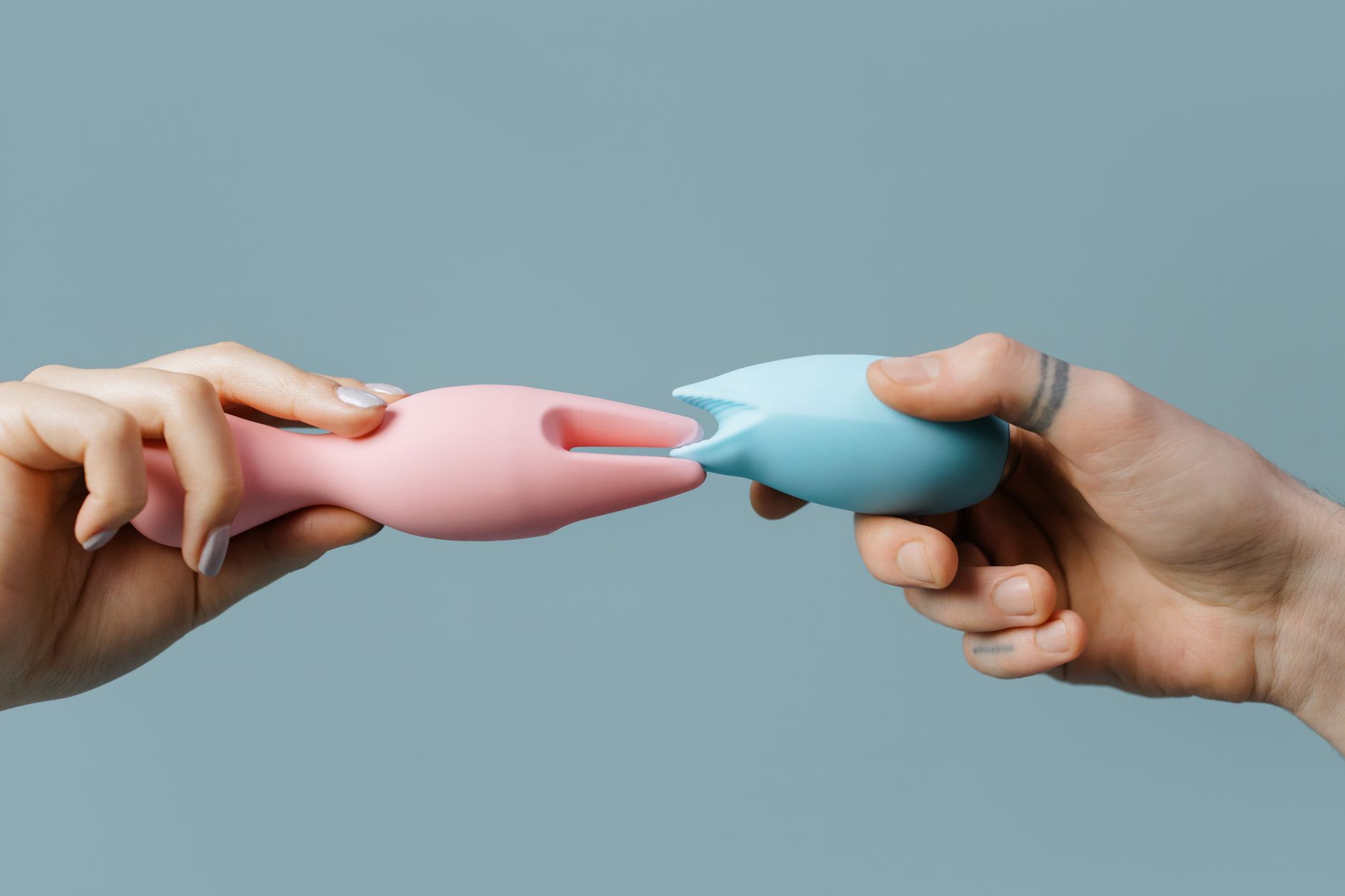
Here's the part nobody explains: pelvic floor issues don't stop you from having pleasure. They change it. And that change matters because it affects confidence, sensation, and how your body responds to stimulation. A lemon clitoral vibrator, specifically one that uses suction like the Lem, works differently than traditional vibration. It's gentler on internal pelvic floor tension while still delivering intense external stimulation.
How pelvic floor dysfunction affects sensation and arousal
When your pelvic floor is tight or dysfunctional, three things shift. First, the muscles become protective. Your brain registers them as tense, so arousal can't fully build because your body thinks it's in threat mode. Second, sensation gets muted. The pelvic floor has tons of nerve endings, so tension changes how clitoral stimulation feels. Third, many people develop anticipatory anxiety. You're worried about pain or discomfort during sex, so your nervous system stays on high alert instead of sliding into pleasure.
This is completely treatable. Physical therapy helps. So does relearning your body with the right tools.
Why suction vibrators beat traditional lemon sexual toys for PFD recovery
A standard vibrator sends waves through tissue. If your pelvic floor is already tense, vibration can feel like additional pressure, which your muscles resist by contracting even more. Suction works differently. It gently pulls rather than pushes, which actually helps tight muscles relax. The Lem uses air-pulse technology, so it's stimulating external nerve clusters without the internal pressure that triggers pelvic floor guarding.
Translate that to real life: you get intense clitoral sensation without accidentally tightening the very muscles you're trying to rehabilitate. It's the difference between someone poking a tense shoulder (vibration) versus a gentle massage that gets those muscles to unwind (suction).
Starting slowly: the first two weeks
Don't dive in at full intensity. Your nervous system needs permission to relax first. Week one, use the Lem on the lowest setting, maybe 2-3 minutes total. Focus on the outer clitoral area, not deep pressure inside. The goal isn't orgasm yet. It's sensation mapping. Where does it feel good? Where does it trigger tension? Where do you feel numbed out?
Pay attention to what your pelvic floor does. You might notice it relaxes after 30 seconds of gentle suction, or it might clench immediately. Both are normal. If you're clenching, pause. Breathe. A tight pelvic floor can't learn pleasure while it's in protection mode.
During this phase, partner with your pelvic floor physical therapist if you have one. Let them know you're reintroducing stimulation. They might give you specific breathing cues or muscle release techniques to pair with self-pleasure.
Building duration and intensity gradually
After two weeks, if there's no pain and you're noticing moments of relaxation, extend sessions to 5-8 minutes. Move to setting 3 or 4 on the lemon clitoral vibrator. Your nervous system needs a slow ramp. Fast escalation can backfire and retrigger protective tension.
Notice the difference between muscle soreness (which happens in recovery) and sharp pain (which means stop). Soreness is normal. Pain is information. If you hit pain, you've gone too far. Back off and spend a few days at lower intensity.
Most people find that around week four, orgasms start returning. They might feel different initially. Shallower. More localized. Less full-body. That's completely expected. Your pelvic floor is still rebuilding nerve coordination and blood flow. It's not broken. It's just reorganizing.
Using lemon vibrators with a partner during recovery
If you have a partner, this is crucial: communicate expectations before you touch the Lem together. Tell them this isn't about performance. It's about relearning sensation. Some partners feel anxious about pelvic floor issues, thinking it's a reflection on them or on attraction. It isn't. It's a body thing, not a relationship thing.
Try incorporating the lemon sucker into partner play without pressure to orgasm. They might hold it while you focus on breathing and relaxation. Some couples find that having a partner present during solo recovery sessions removes shame or self-judgment that might otherwise keep pelvic floor muscles tense. Your partner's calm presence signals safety to your nervous system.
Avoid the trap of "helping" by increasing intensity. If your partner wants to turn it up, gently redirect. The sexiest thing they can do is go slow. That's not boring. That's letting your body heal.
What to expect month by month
Months 1-2: Sensation returns unevenly. Some areas feel more sensitive, others still numb. Orgasms, if they happen, are quieter than before. That's fine. You're rebuilding baseline function.
Months 2-3: Pelvic floor relaxation happens faster. You notice you're not gripping during stimulation anymore. Arousal builds more smoothly. Orgasms start to deepen.
Months 3-4: Many people report orgasms returning to pre-dysfunction intensity. Sensation normalizes. Confidence bounces back. The lemon clitoral vibrator moves from recovery tool to pleasure tool.
That timeline varies wildly. Pelvic floor dysfunction caused by birth trauma might resolve in eight weeks. Dysfunction from years of chronic tension might take six months. The pattern is consistent even if the pace isn't.
Pairing the lemon vibrator with physical therapy
Solowork with a sex toy isn't a replacement for pelvic floor PT. It's a complement. Your therapist teaches you to consciously relax those muscles, coordinate breathing with sensation, and retrain the neural pathways for pleasure. The lemon adult toy reinforces that retraining at home.
Tell your physical therapist you're using lemon sexual toys as part of recovery. They'll guide you on what patterns to focus on. Some therapists suggest pairing vibrator sessions with post-therapy relaxation, when muscles are already loosened. Others recommend using it on off days to extend the benefits.
The research on sexual function recovery after pelvic floor dysfunction shows that people who combine professional treatment with regular, gentle self-exploration recover faster and report better long-term sexual satisfaction. You're not being indulgent. You're being strategic.
When to pause and when to push forward
Pause if you're experiencing sharp pain, bleeding, or increased tension that doesn't resolve within 48 hours. Pause if anxiety about intimacy is growing instead of shrinking. Those are signals to check in with your physical therapist or gynecologist.
Push forward if you're noticing gradual improvement even when progress feels glacial. One orgasm this month instead of zero is still progress. A session where your pelvic floor relaxes within 30 seconds instead of five minutes is still progress. Recovery isn't linear.
Sometimes you'll have a week where everything feels harder, tension creeps back, and you wonder if you've regressed. You haven't. Hormonal cycles, stress, and normal variations in nervous system state affect pelvic floor function. Expect fluctuation. Expect it to be frustrating. Keep going anyway.
FAQ
Can I use any lemon clitoral vibrator for pelvic floor recovery, or do I need a specific toy?
Not all lemon sexual toys are created equal for this. You want something with adjustable intensity and a gentle pulse rather than aggressive vibration. The Lem's air-suction technology is specifically helpful because it doesn't send shock waves through tight tissue. If you're choosing another brand, look for low starting settings, silicone material, and either suction or pulse patterns rather than constant vibration.
How often should I use a lemon vibrator while recovering from pelvic floor dysfunction?
Start with 2-3 times per week for the first month, keeping sessions short (under five minutes). As you progress, you can move to daily use if desired, but quality matters more than frequency. An eight-minute session where your pelvic floor actually relaxes is better than 20 minutes of tense, protective muscle engagement.
Will using the lemon sucker make my pelvic floor dysfunction worse?
If you're using it correctly (low intensity, short duration, focusing on external sensation), no. If you're using it aggressively right away, yes. The mechanism of pelvic floor dysfunction is often protective muscle tension. Gentle, intentional stimulation with proper breathing can help retrain that response. Aggressive stimulation reinforces the protection pattern.
How do I know if I'm healing or if something's gotten worse?
Healing looks like: orgasms becoming more reliable, arousal building faster, less anticipatory anxiety, less tension during non-sexual times, improved bladder or bowel control. Getting worse looks like: increased pain, new pain during other activities, growing fear around intimacy, decreased sensation or numbness spreading. If you're seeing the second pattern, pause and talk to your pelvic floor PT.
Can pelvic floor dysfunction come back after it's resolved?
Yes. Prolonged sitting, chronic stress, or high-impact exercise without proper breathing can retrigger it. That's why the habits you build during recovery matter long-term. Regular pelvic floor engagement, good breathing patterns, and occasional solo pleasure sessions help maintain function. Think of it like PT maintenance.
Should I tell my partner about pelvic floor dysfunction, or is it private?
This depends on your relationship and your preference. If you're partnered and having sex, honesty helps. Your partner might interpret decreased sensation as lack of interest. Explaining pelvic floor dysfunction removes that miscommunication and actually deepens intimacy because they understand what's happening. If sex isn't part of your relationship, it's private. If it is, transparency usually helps.
The actual timeline: real expectations
Recovery isn't about returning to some imaginary "normal." Many people find that pelvic floor healing rewires pleasure entirely. You become more aware of your pelvic floor, more conscious of tension patterns, more intentional about relaxation. The pleasure you rebuild is often deeper than what came before because you had to learn it consciously rather than take it for granted.
Use the lemon clitoral vibrator as your home-based recovery partner. Pair it with professional guidance. Show up consistently even when progress feels invisible. Your body knows how to feel pleasure again. Sometimes it just needs patience, the right tool, and permission to rebuild at its own pace.
If you're navigating this recovery and feeling isolated, reach out. Whether it's to your therapist, your partner, or a community of people with similar experiences, connection matters. Pelvic floor dysfunction is common. Recovery is possible. Your pleasure is worth the effort.