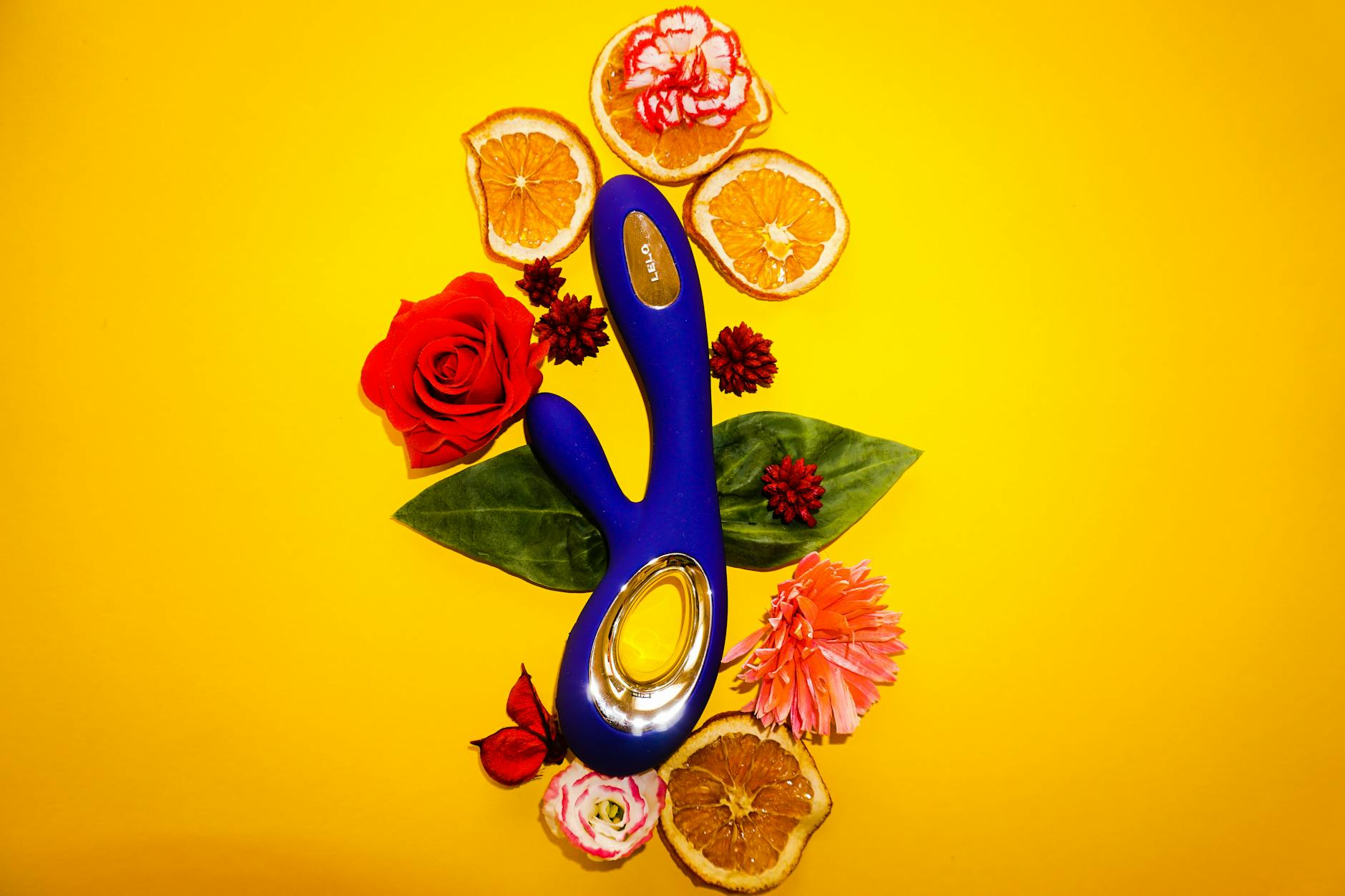
Pleasure doesn't pause just because your body did
Here's the thing nobody tells you about chronic illness and sex: the two don't exist in separate compartments. Long COVID, fibromyalgia, ME/CFS, autoimmune conditions, arthritis—they don't just steal your energy. They rewrite the script on arousal, sensation, and what your nervous system can handle on any given day.
I work with clients navigating this all the time. They tell me the same thing: before illness, pleasure was straightforward. Now it's conditional. Some days your vulva feels numb. Other days it's hypersensitive. Some mornings you have 20 minutes of usable energy; some days you have zero. The guilt kicks in. The shame. The fear that you've lost something that won't come back.
You haven't. What's changed is the method, not the capacity. And that's what we're solving today.
Why standard advice fails when you're dealing with chronic illness
Most vibrator guidance assumes a baseline of stable energy and sensation. Warm up for 15 minutes. Build intensity gradually. Experiment with positions. None of that is wrong, but it's also wildly impractical when your pain levels fluctuate by the hour or fatigue hits without warning.
Lemon clitoral vibrators—suction-based rather than traditional vibration—work differently. They don't require stamina from you. They don't demand perfect positioning. They don't punish you for having a bad pain day. And they adapt to the reality of living in a body that doesn't cooperate on schedule.
Energy mapping: the real first step
Before you even pick up a lemon vibrator, get honest about your energy calendar. I'm not talking about some detailed spreadsheet. Just notice: what time of day do you have the most usable energy? Are there days in your cycle (if you menstruate) when fatigue is worse? Does your condition have predictable flare-ups?
Many of my clients find that scheduling pleasure during their higher-energy window makes the entire experience different. For some, that's morning before fatigue peaks. For others, it's the day after a flare when pain is settling. For many, it's highly irregular.
The Lem vibrator's strength here is that you don't need sustained energy. Once you're aroused enough, the suction does the work. You're not gripping, thrusting, or maintaining anything. That's a radical shift from traditional vibrators, which require active engagement. When you're managing chronic illness, passive stimulation isn't lazy. It's strategic.
Sensation recalibration when touch feels off
Chronic illness often damages nerve signaling or changes pain perception. Your vulva might feel numb one week and hypersensitive the next. This is called "allodynia" when normal touch suddenly hurts, or "hypoesthesia" when everything feels muted. Both are common.
A lemon clitoral vibrator helps because suction is a different type of stimulation than direct vibration or friction. If direct touch triggers pain, suction often doesn't. If everything feels numb, the sustained gentle pressure of suction sometimes breaks through where nothing else does.
Start at the lowest pattern on the Lem, usually pattern 1 or 2. You might sit with that for five to ten minutes before moving up, or you might stay there for your entire session. Neither is wrong. The goal isn't progression. It's sensation. If pattern 1 feels perfect, you've found your answer. Don't chase intensity.
If hypersensitivity is your issue, lower patterns feel like a massage rather than an assault. You're getting stimulation without the jarring sensation of traditional vibration. And if sensation is genuinely absent, patterns 3 and above can be powerful enough to reach nerves that feel blocked by illness or medication.
The medication conversation nobody's having
Chronic illness almost always means medication. And medication changes arousal, sensation, and orgasm capacity in ways most doctors gloss over. Antidepressants, antihistamines, immunosuppressants, pain meds—all of them affect your sexual response.
If you're taking medication that delays orgasm, a lemon vibrator is genuinely useful. You're not fighting your body's chemistry. You're working with it. The sustained suction pressure can trigger orgasm in ways that feel more accessible than traditional stimulation, because you're not relying on friction-based intensity. Some of my clients find that orgasm is actually more reachable with suction when they're on SSRIs or other medications affecting sexual response.
Have this conversation with your doctor or pharmacist if you're comfortable. Many don't ask. Many patients don't mention it. But knowing whether your medication affects arousal helps you stop blaming yourself for what's actually a chemical reality.
Building a flare-day protocol
Chronic illness means flares happen. Pain spikes. Energy crashes. Your nervous system goes haywire. On these days, most people abandon sex entirely. Fair. But it's worth having a ultra-low-friction option ready if you want pleasure during recovery.
My recommendation: keep your Lem charged and accessible. On a flare day when you're resting anyway, you might have 10 minutes of energy where you're not in acute pain. You don't need to get undressed. You don't need to change positions. You can use it over underwear if full exposure feels like too much. Pattern 1. Nothing else. No pressure to orgasm.
The goal is proving to yourself that pleasure exists outside of "good" days. You don't have to earn it. You don't have to wait until you're "better enough." A lemon clitoral vibrator in your sick-day drawer is a form of self-care that takes 90 seconds and asks nothing of you.
Partners and the energy-disparity conversation
If you have a partner, they probably want to help. They might also feel rejected or concerned when sex becomes infrequent or unpredictable. A lemon vibrator depersonalizes nothing, but it does change the dynamic in useful ways.
You can enjoy pleasure alone on low-energy days. Your partner isn't waiting on your arousal or timing. You're not performing. This actually makes partnered sex feel better on higher-energy days because it's not loaded with obligation or resentment.
Talk about this with your partner directly. "Some days I want solo pleasure on my own timeline. Some days I want us to be together. Both are real, and neither one means I don't want you." That conversation, not the vibrator itself, is what changes things.
Pain versus pressure: knowing the difference
With chronic illness, sometimes pressure on the vulva feels good and pain-relieving. Sometimes it triggers pain. The only way to know is to try, and to stay curious rather than assuming.
Start by using the Lem over underwear for your first session. The fabric creates a buffer that might feel less intense. Then try direct contact if that goes well. You're not being cautious or weak. You're gathering data about your own body.
If suction pressure triggers pain, stop. That tells you something useful. If it feels grounding or soothing, keep going. Many people with chronic pain find that suction feels like release rather than stimulation. Again, you're not wrong for experiencing it that way. You're just responding honestly.
The mental load of reclaiming pleasure
Here's what I see most: people with chronic illness carry a narrative that they've lost their sexuality. They haven't. They've lost access to one method of sexuality, and their brain is now generalizing that to mean they've lost sexuality itself. It's understandable. It's also not true.
A lemon clitoral vibrator works because it's radically different from what your body did before illness. It requires less from you. It asks less. And paradoxically, that permission often makes pleasure more accessible, not less. You're not chasing an old version of arousal. You're meeting your actual nervous system where it is.
That shift—from shame about what you've lost to curiosity about what you can access now—that's where real change happens. The vibrator is a tool. The real work is giving yourself permission to want pleasure on your terms, not on some imaginary pre-illness timeline.
FAQ: Chronic Illness and Lemon Vibrators
Can I use a lemon vibrator if I have fibromyalgia or widespread pain?
Yes, but you'll want to start conservatively. Many people with fibromyalgia find that suction-based stimulation feels more tolerable than vibration because it's gentler and more localized. Use pattern 1 or 2, keep sessions short, and pay attention to whether pressure triggers pain or relief. If suction feels good and calming rather than jarring, you've found something useful.
What if I'm too fatigued to be aroused at all?
You might be—and that's okay. But you might also be surprised. Many people find that even without active arousal, a few minutes of gentle suction from the Lem can shift their nervous system enough that arousal follows. You're not forcing it. You're just testing whether the pathway exists. If it doesn't on a particular day, that day's answer is "no." Tomorrow might be different.
Is it normal for sensation to feel different when I'm in a flare?
Completely. Pain, inflammation, and stress all change sensation. On flare days, your vulva might feel numb, hypersensitive, or totally absent from your awareness. This is not permanent. As the flare settles, sensation often returns. The Lem is useful specifically because it works across that range—from numb days (where higher patterns can reach blocked sensation) to hypersensitive days (where lower patterns feel safe).
Should I wait until I'm "better enough" to use a vibrator again?
No. If you're waiting for a chronic illness to resolve completely, you might wait forever. That's not permission to push yourself into pain. It's permission to redefine what "good enough" means. You might have 15 minutes of okayness on a Tuesday. That's enough. Use it. You don't earn pleasure by suffering first.
My partner wants to help, but I don't have energy for partnered sex. How do I explain that without hurting them?
Be specific: "I have 10 minutes of comfortable energy today. That's not enough for us together. But I want to use it for myself. That's not about not wanting you. It's about protecting the time I do have." Most partners respond well to clarity. What hurts them is feeling like they've done something wrong, or that your illness somehow reflects on the relationship. Clear language prevents that. If you want to be together on higher-energy days, say that too.
Can I use a lemon vibrator during a pain flare, or should I wait?
Soft tissues in a flare are often more sensitive. If you're in acute pain, genital stimulation probably won't feel good. But as the flare settles—say, day two or three when pain is still elevated but no longer acute—gentle suction might actually help. Some people find it nervous-system regulating. Try it and see. If it feels bad, stop. If it feels grounding, keep going.
Your body doesn't need fixing. It needs tools that fit.
Chronic illness rewrites your relationship with pleasure. That's real and it's hard. But it doesn't end pleasure. It just changes the shape of it. A lemon clitoral vibrator fits that new shape better than most tools because it asks less, delivers more, and works across the unpredictability that chronic illness creates.
Your pleasure matters. Not when you're "better enough." Not when you've earned it. Now. On your actual timeline. On days when you have five minutes. On mornings when fatigue hasn't peaked. On flare days when the only brave thing you can do is lie in bed and let yourself feel good. That's not cheating your recovery. That's protecting your humanity during it.
If you want to explore what works for your body and your situation more deeply, reach out. That's what I'm here for.