When anxiety wins, arousal loses
Here's the thing nobody tells you about anxiety and sex: it's not that you don't want pleasure. Your brain just won't let your body have it. Anxiety tightens your muscles, shortens your breath, floods your system with cortisol, and puts you on high alert for threat. Your clitoris doesn't stand a chance against that.
The cruel part is how fast it happens. One intrusive thought, one old memory, one moment of self-consciousness, and your nervous system pivots from "ready" to "threat detected." By the time you realize what's happened, arousal has already left the building.
This is not a willpower problem. It's not because you don't love your partner or you're not attracted. It's biology.
Why anxiety kills arousal (and why lemon vibrators change the math)
Your nervous system has two primary modes: the sympathetic nervous system (your gas pedal, fight-or-flight) and the parasympathetic nervous system (your brake, rest-and-digest). Anxiety lives in sympathetic activation. Arousal lives in parasympathetic calm.
You cannot force your way from one state to the other through willpower or focus. You have to trick your body into switching gears.
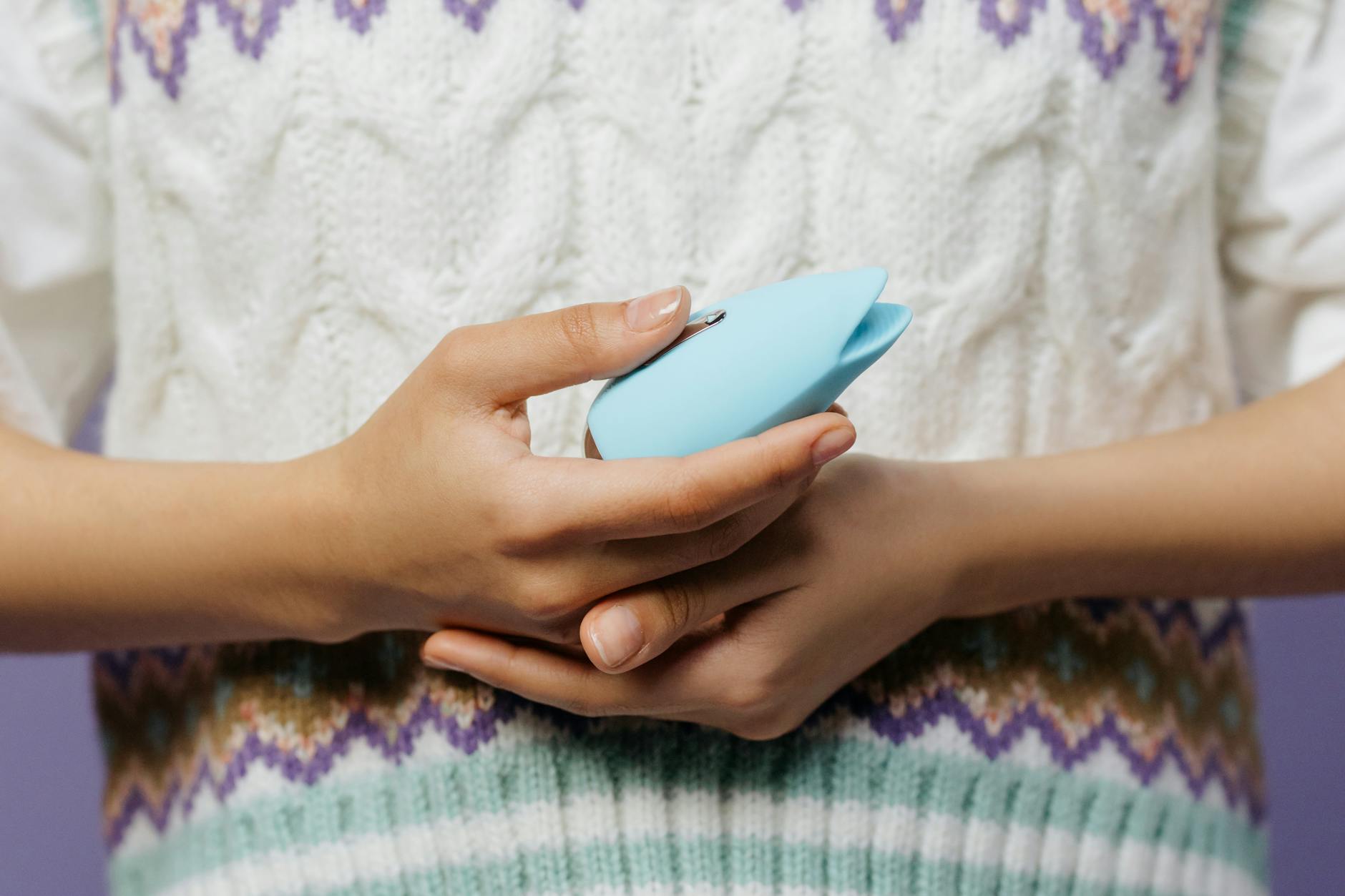
This is where air-suction clitoral vibrators like the Lemon change everything. Here's why: suction stimulation works differently than traditional vibration. It sends direct, intense signals to the clitoris without the mechanical friction that can feel overwhelming or clinical when you're already in your head. The sensation is strong enough to interrupt anxiety's broadcast and pull your attention into physical sensation.
Your brain can't simultaneously run an anxiety loop and process intense, pleasurable touch. One has to win. The Lemon makes pleasure loud enough that it does.
The anxiety-to-arousal pathway: five steps that actually work
Step 1: Start in a low-stakes environment. Not the bedroom. Not "let's try something." Solo, private, with zero pressure to achieve anything. Your nervous system needs to learn that touch is safe again. Solo exploration with a lemon clitoral vibrator is the fastest way to retrain that.
Step 2: Build a buffer zone. Fifteen to twenty minutes before you want to use the vibrator, do something that calms your nervous system. A warm bath. A walk. Deep breathing. Whatever actually works for you (not what you think should work). Let your cortisol drop.
Step 3: Start at the lowest setting. This matters more with anxiety than with almost anything else. You're teaching your brain that touch is okay. A gentle introduction works better than intensity. With the Lemon, that might mean patterns 1 or 2. Let yourself stay there for several minutes before turning it up.
Step 4: Use the sensation as an anchor. The moment your brain starts drifting back to anxiety, zoom in on the physical feeling. What does the suction feel like? Where is it most intense? What does the pattern remind you of? Grounding your attention in sensation interrupts the anxiety loop better than trying to "stop thinking about it."
Step 5: Expect a learning curve. Your nervous system has learned that arousal is a threat space. Retraining takes repetition. Some sessions will feel electric. Others will feel flat or frustrating. Both are normal. Consistency matters more than perfection.
When anxiety specifically blocks arousal in a relationship
If you're partnered and anxiety derails sex with them, that's a slightly different conversation. The stakes feel higher. You might worry about disappointing them or feel pressure to "get there." That pressure itself becomes another anxiety trigger. It's a loop.
The best thing I've seen work is separating sex from performance. You and your partner each use lemon vibrators or other tools during partnered time. This removes the expectation that your body will cooperate on anyone else's timeline. Pleasure becomes something you're both working toward, not something you're failing to deliver.
Many couples find that when one partner has anxiety-blocked arousal, using a lemon clitoral vibrator together actually deepens intimacy faster than going back to traditional partnered sex. You're not trying to prove anything. You're just present and curious together.
Common anxiety-arousal obstacles and how to work around them
"I get in my head the moment anything touches me." This one often responds really well to a lemon clitoral vibrator because the sensation is so specific and strong that it's harder to ignore. But you might also benefit from starting with clothes on, or under covers. Let the vibrator be the focal point and give your brain permission to ignore everything else.
"I worry I'm taking too long and it's annoying my partner." The Lemon typically gets results faster than most techniques because the design is efficient. But honestly? If you're anxious about pace, solo play is your friend first. Let yourself learn what your body needs without an audience.
"Medication for anxiety has tanked my libido too." This is a different beast from anxiety itself blocking arousal. Talk to your prescriber about adjusting timing (some meds hit libido less if you take them at night instead of morning) or dosage. A lemon vibrator can help you maintain connection to your body while you and your doctor figure out the med angle. Check if there's a related post on SSRIs and arousal that might help, like how to use a lemon vibrator for better arousal if you take SSRI antidepressants.
"I have trauma history and anxiety about touch in general." You deserve support from a trauma-informed therapist alongside any tool. A lemon clitoral vibrator can be part of your healing, but shouldn't replace professional help. Work at your own pace.
Why the Lemon works better than wand vibrators for anxiety
Wand vibrators (like the ones that look like actual wands) are brilliant for a lot of situations, but they're not ideal for anxiety-blocked arousal. Here's why: they require more active engagement. You have to position them, adjust pressure, find the right angle. That active control can keep your thinking brain online when you need it offline.
The Lemon's design is more passive. You position it once and the suction does the work. Your job is just to receive sensation. For an anxious nervous system, that permission to be passive is genuinely healing.
The retraining timeline: what to expect
Most people notice a shift within two to three weeks of consistent solo play with a lemon vibrator. Not necessarily orgasm. Just a reduction in the "waiting for something bad to happen" feeling during arousal.
Three to six weeks and many people report that partnered sex feels less fraught. The anxiety hasn't vanished (you might still need therapy or other support for that), but your body has started to remember that arousal isn't a threat.
Six months to a year and many clients describe a fundamental shift in how they relate to their own pleasure. They stop waiting for it to be stolen and start expecting it. That's the real win.
When to bring in professional support
A lemon vibrator is a powerful tool, but it's not a substitute for therapy if anxiety is severe. If your anxiety is preventing you from functioning in other areas of life, or if sexual anxiety is paired with trauma, you need a trauma-informed therapist or sex therapist in the room.
That said, many therapists now recommend partnering vibrator exploration with talk therapy. It's not either-or. A clitoral vibrator can be your nervous system's fastest way to learn safety. Therapy helps you understand why it needed to learn that in the first place.
The real goal: your body remembers pleasure again
Anxiety convinces you that your body is unreliable or broken. It's not. It's just protective. A lemon clitoral vibrator helps you prove to your nervous system that touch is safe by delivering pleasure so clearly and consistently that safety becomes undeniable. Your body learns. Arousal returns. Not because you forced it. Because you made space for it.
Frequently asked questions
Q: Will using a vibrator make partnered sex feel less intense?
A: No. Actually, the opposite. Once your nervous system relaxes around arousal through solo play, partnered sex often feels deeper because you're not anxious about whether you'll "work." Plus, many couples find that introducing vibrators together increases intimacy.
Q: How long does it take before anxiety stops blocking arousal?
A: Most people notice a reduction in blocks within three to four weeks of consistent use. But "cure" isn't quite the right word. Think of it as retraining. You're teaching your nervous system that arousal is safe. That takes repetition. Keep going even when it feels like nothing's happening.
Q: Can I use a lemon vibrator if I'm on anxiety medication?
A: Yes. Medication doesn't contraindicate vibrator use. Some anxiety meds can affect arousal separately, which is a different problem to solve with your prescriber. But the vibrator itself is compatible with meds.
Q: Is it okay to use a lemon vibrator in a relationship where my partner also has anxiety?
A: Totally. Solo play helps you both. And when you're ready to bring it into partnered time, having both people use tools (or one person using a vibrator while your partner is present) removes the "one person trying to perform" dynamic that makes anxiety worse.
Q: What if I use the vibrator and still don't feel aroused?
A: Give it time. Your nervous system might need more than one session to believe that arousal is safe. Some people need a few weeks. If it's been two months and nothing's shifting, check in with a therapist or sex therapist about what else might be blocking you. Severe anxiety sometimes needs to be addressed in therapy before tools start working.
Q: Can a lemon vibrator replace therapy for anxiety?
A: No. But it's a powerful companion to therapy. Use it as part of a broader approach to your nervous system health.