The orgasm gap nobody talks about
Here's what I hear in my practice constantly: "I come easily on my own. But with my partner, it's like my body forgets how." That's not a failure. That's the orgasm gap, and it affects a huge percentage of people in partnered relationships.
The physiology is straightforward. Solo, your nervous system is your responsibility alone. You know the exact pressure, rhythm, and timing that works. With a partner, there's communication overhead, performance anxiety, and the mismatch between their typical rhythm and your specific needs. Add in the fact that most people haven't been taught how to ask for what they need, and you've got a recipe for frustration that looks like a personal problem but isn't.
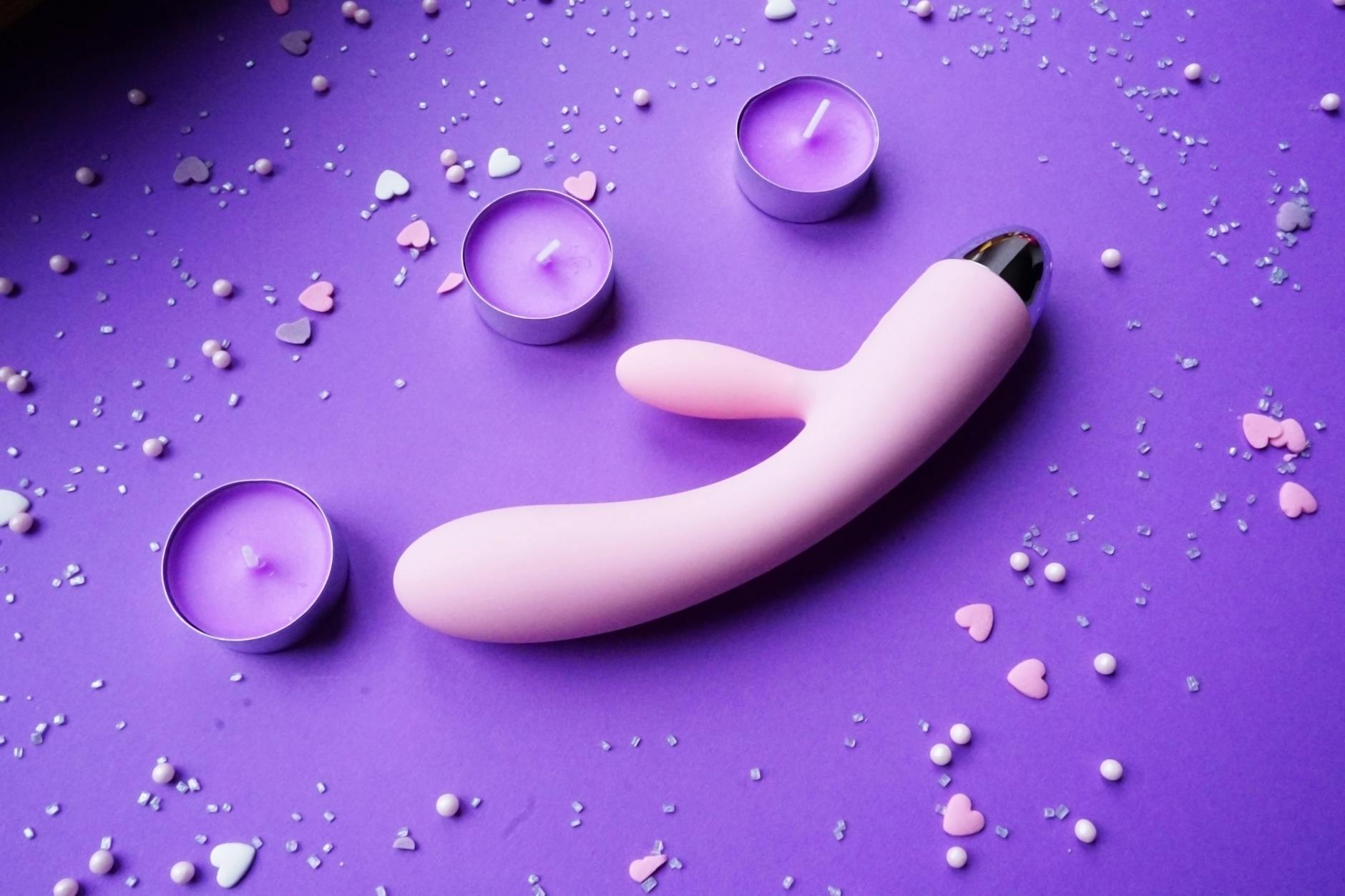
A lemon clitoral vibrator changes this equation entirely. Not by replacing your partner, but by giving you a tool that bridges the gap between what your body needs and what partnered sex naturally delivers.
Why the orgasm gap isn't about desire
When people struggle to orgasm with a partner, they often assume it's about attraction or connection. Sometimes it is. Most of the time, it's mechanics. Your body requires a specific type of stimulation at a specific intensity. Partner sex, by design, rarely delivers both simultaneously.
Think of it this way. During partner sex, the clitoris gets indirect stimulation at best. The angle is wrong, the pressure is inconsistent, and by the time you're warmed up enough to feel it, your partner is already focused on their own pleasure. The Lem vibrator (a lemon suction toy from Hello Nancy) delivers the direct, consistent, intense stimulation your body actually wants.
The second piece is psychological permission. When you bring in a device, you're shifting the conversation from "something is wrong with me" to "here's what works for us." That reframe alone often unlocks arousal.
Setting it up: the conversation first
Introducing a lemon vibrator to partnered sex requires one conversation before it touches anyone's body. If you skip this step, you're guaranteeing awkwardness and potential resentment.
Here's the frame that works: "I love being intimate with you. And I've realized my body needs a specific type of touch to reach orgasm reliably. I want to bring in something that helps me get there." Stop. Listen. Answer questions. This isn't about your partner's inadequacy. This is about your body's specific needs.
Many partners respond with relief. They've also felt the pressure to generate an orgasm that wasn't happening. A tool that makes everyone's job easier feels like a win. Some partners feel insecure initially. That's worth naming, not dismissing. Say: "This is about adding something for me, not replacing anything about you."
The conversation you're actually having underneath the words is this: "My pleasure matters enough for me to ask for what I need, and I trust you enough to ask while we're intimate together." That's relationship-building work.
Positioning: the angles that actually work
Once you've had the conversation, the mechanics matter. A lemon clitoral vibrator works best positioned directly on the clitoris, typically at a slight angle that avoids overstimulation. During partnered sex, that usually means you or your partner holding it while penetration is happening, or using it before penetration to warm everything up.
The most common setup: you hold the vibrator yourself during partner sex. This gives you control over pressure and rhythm, which is exactly what you need. Your partner can focus on penetration or external contact. You're orchestrating your own pleasure. It's not passive receiving. It's active participation.
Another configuration: your partner holds and controls the vibrator while you focus on them or on your own positioning. This requires trust and clear communication about pressure ("lighter" or "more intensity"), but it can deepen the sense of being taken care of.
The exact positioning depends on your body. Some people need the vibrator further back toward the vaginal entrance. Others need it directly on the visible clitoral tip. Experiment solo first so you know exactly where pleasure lives for you. Then you can direct your partner with precision.
The rhythm conversation
One of the biggest mistakes: turning on the vibrator at maximum intensity right away. A lemon clitoral vibrator from Hello Nancy offers multiple intensity settings for a reason. Start at pattern one or two. Let your body ease into sensation. Intensity can build as arousal builds.
During partnered sex, your partner's thrusting rhythm and the vibrator's rhythm need to coexist without fighting each other. This sounds complicated but usually resolves through trial. Some people find that keeping the vibrator on a consistent, moderate setting while penetration adds rhythm works beautifully. Others prefer the vibrator's rhythm to sync with thrusts.
The real win is that you're not trying to come from penetration alone anymore. The vibrator is doing the job penetration can't do. Everything else is bonus friction and intimacy.
Addressing the mental blocks
Here's what I see with clients who struggle with difficulty reaching orgasm during partnered sex: there's often shame layered on top of the mechanics. "I'm taking too long." "My partner is getting tired." "Something must be wrong with me."
None of that is true. Your body requires what it requires. Using a tool isn't weakness or laziness. It's self-knowledge.
The mental game also includes performance anxiety. You're worried about coming so you tense up, which makes coming harder. A vibrator takes some of the pressure off because you're not entirely dependent on your partner's effort. You have agency. That agency itself reduces anxiety.
Some people also carry guilt about fantasy or stimulation preferences. If you need the vibrator because your mind goes somewhere your partner doesn't know about, that's okay. You don't owe your partner access to your internal experience. You owe them honesty about your needs and pleasure.
Using it before, during, or after partnered sex
Three timing strategies, depending on what your body and relationship need:
Before. Some people find that using a lemon clitoral vibrator solo before partnered sex primes the nervous system beautifully. You reach a point of high arousal, then transition to partner touch. Your body is already in the game.
During. The most common integration point. Vibrator on while your partner penetrates or manually stimulates you.
After. If partnered sex doesn't result in orgasm, finishing with the vibrator afterward preserves the intimacy while getting you to climax. Some people find this the least stressful option because there's no performance pressure during partnered sex itself.
None of these is wrong. Your body knows what works. Listen to it.
When difficulty reaching orgasm signals something else
Sometimes the orgasm gap is purely mechanical. Sometimes it signals an underlying mismatch, communication issue, or even physical health factor worth investigating.
If you've been using a lemon vibrator consistently during partnered sex and nothing's changing, or if difficulty reaching climax started suddenly when it wasn't a problem before, talk to your doctor or a sex therapist. Hormonal shifts, medication side effects, relationship stress, and past trauma can all show up as difficulty with orgasm.
A lemon clitoral vibrator is an excellent tool for bridging the gap. It's not a diagnosis or a cure. It's a bridge.
FAQ
Will using a vibrator during sex make me dependent on it?
No. Your body isn't becoming addicted. You're learning what pleasure feels like when you're getting exactly what you need. That knowledge transfers. Many people find that once they experience reliable orgasm with a vibrator, partnered sex without one feels different but isn't impossible. You've reset your nervous system's baseline.
What if my partner feels insecure about the vibrator?
That's a conversation, not a dealbreaker. Insecurity usually lives in "this means I'm not enough" territory. You're addressing that by being clear: this is about your body's specific needs, not a comment on your partner. If your partner can't move past it with reassurance and time, that's relationship information worth examining with a therapist.
Can I use any vibrator, or does it have to be a lemon suction toy?
A lemon clitoral vibrator, especially air-suction designs like the Lem, work particularly well because they stimulate without the same harsh vibration that can feel overwhelming during partnered sex. A traditional vibrator works too, but many people find the sensation less precise. Start with what you have and upgrade if needed.
How do I bring this up without making it awkward?
Direct and simple works best. "I want to try something that might help me orgasm more reliably. Can we try this together?" Show them the device. Explain how it works. Frame it as a team sport. Awkwardness lives in secrecy and assumption. Transparency and curiosity kill awkwardness.
What if we try it and nothing changes?
Then you have more information. Maybe the problem isn't mechanical. Maybe it's communication, attraction, or something medical. A vibrator is a diagnostic tool as much as a pleasure tool. If it doesn't unlock anything, that's useful data for a sex therapist or doctor.
Should I hide the vibrator or keep it visible?
Keep it visible and accessible, like any intimate care item. You're not ashamed of your pleasure. You're normalizing it. That normalization matters for your nervous system and for your relationship's sexual health.
The bridge back to pleasure
The orgasm gap isn't a reflection of your love or desire for your partner. It's a reflection of how bodies work and how partner sex naturally unfolds. A lemon clitoral vibrator doesn't fix a broken relationship or a broken body. It bridges the gap between the specific stimulation your body needs and what partnered sex typically delivers.
Your pleasure matters. Using a tool to protect and expand that pleasure is smart. It's not cheating. It's not a failure. It's you, showing up for yourself and your partner, with honesty and tools. That's intimacy.